
Global Trends and Politics
FAA to let Boeing to sign off on 737 Maxes, 787s

Boeing Regains Confidence from FAA, Allowed to Self-Certify Some 737 Max and 787 Dreamliner Planes
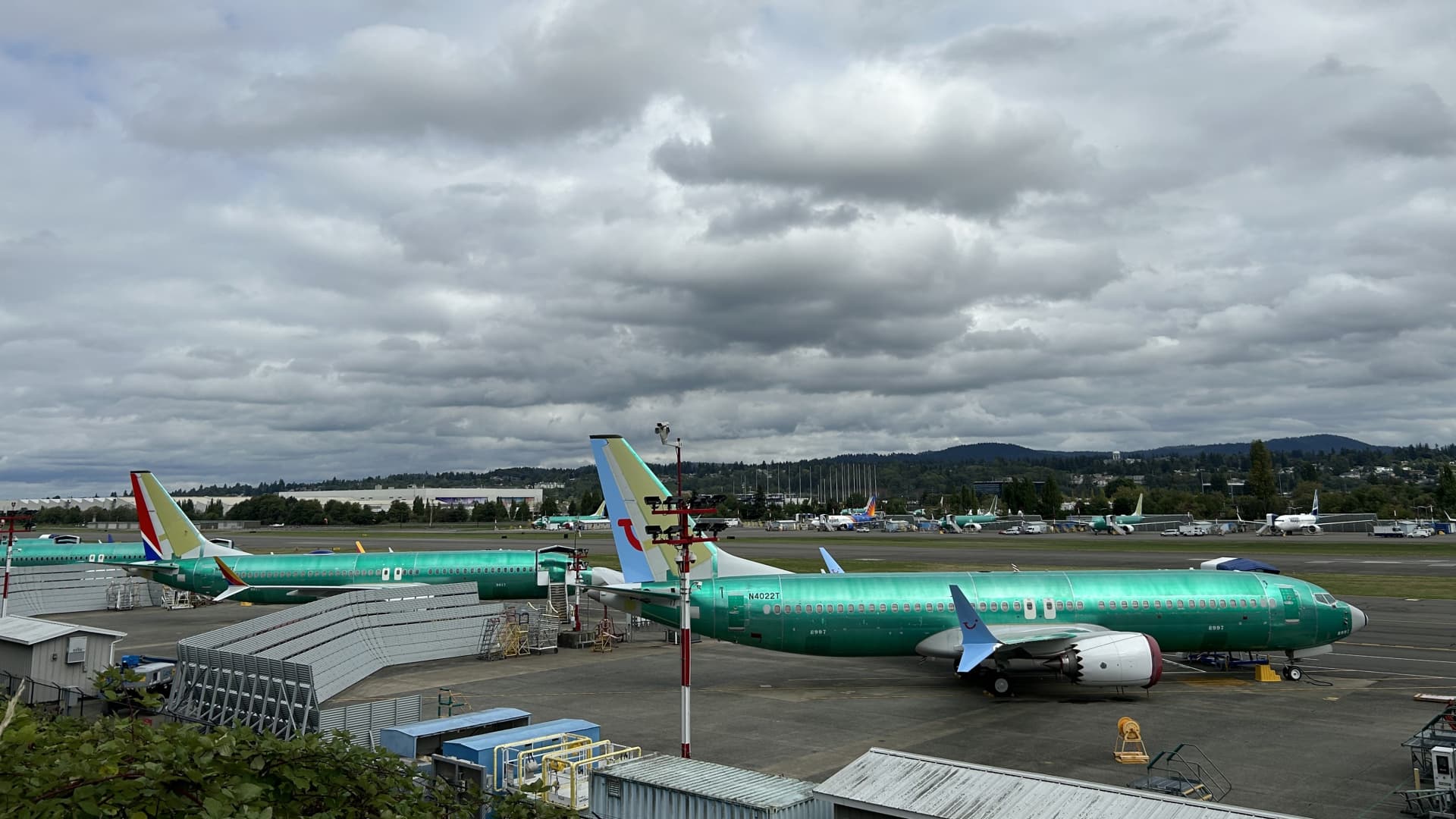
The Federal Aviation Administration (FAA) has announced that Boeing can once again sign off on the airworthiness of some of its 737 Max and 787 Dreamliner planes before they are delivered to customers. This decision marks a significant step forward for the manufacturer, which has been working to regain the trust of its regulator after a series of safety crises in recent years.
The FAA had previously stopped allowing Boeing to issue its own airworthiness certificates for 737 Max airplanes in 2019, following two fatal crashes that resulted in the loss of hundreds of lives. Similarly, in 2022, the FAA made the same decision for Boeing 787s due to production defects. Since then, the FAA has been solely responsible for issuing airworthiness certificates for these planes, certifying them as safe to fly.
FAA and Boeing to Share Certification Responsibilities
Under the new arrangement, the FAA and Boeing will alternate weeks in issuing airworthiness certificates for the 737 Max and 787 Dreamliner planes. The FAA has stated that this decision is the result of a thorough review of Boeing’s production quality and will enable its inspectors to focus on additional surveillance in the production process. By sharing certification responsibilities, the FAA aims to ensure that safety standards are maintained while also allowing Boeing to take a more active role in the certification process.
Boeing has been working to overcome a series of safety and manufacturing issues, including a midair blowout of a door panel from one of its new 737 Max 9s in January 2024. This incident led to the FAA capping production of the Maxes and increasing scrutiny of Boeing’s operations. Despite these challenges, Boeing CEO Kelly Ortberg has expressed optimism about the company’s ability to stabilize its production rate and potentially increase it in the future.
Boeing’s Path Forward
Ortberg has stated that the company is focused on stabilizing its production rate of 737 Max planes at 38 per month and has expressed confidence in its ability to evaluate an increase beyond that with the FAA. The company’s progress will be closely monitored by the FAA, which will conduct extensive planning and reviews with Boeing to determine if it can safely produce more airplanes. With the FAA’s decision to allow Boeing to self-certify some of its planes, the company has taken a significant step forward in its efforts to regain the trust of its regulator and the aviation industry as a whole.
The news has had a positive impact on Boeing’s stock, with shares rising by approximately 4% on the day of the announcement. As the company continues to work towards overcoming its safety and manufacturing challenges, it remains to be seen how this decision will affect its long-term prospects and relationships with customers and regulators.


Community Mentorship Programs Help Strengthen Local Workforce and Social Impact

Low-Code Platforms are Changing How Businesses Build Internal Technology

Microlearning in Employee Training: A Practical Approach to Workplace Skill Development

Decision-Making Frameworks Improve Strategic Leadership and Organizational Clarity

Career Ladder Programs Strengthen Workforce Development and Employee Retention

Workplace Recognition Programs Improve Organizational Culture and Employee Engagement

Why Mental Endurance is Essential for Workplace Resilience

What Informational Interviews are and Why they Matter

How Emotional Intelligence Can Help You Manage Stress and Build Resilience

Interview with Dr. Kristy K. Taylor, WORxK Global News Magazine Founder

Sarah Herrlinger Talks AirPods Pro Hearing Aid

NetWork Your Way to Success: Top Tips for Maximizing Your Professional Network

Unlocking Human Potential: Kim Groshek’s Journey to Transforming Leadership and Stress Resilience

The Power of Belonging: Why Feeling Accepted Matters in the Workplace

Health-care stocks fall after Warren PBM bill, Brian Thompson shooting

Glenda Benevides: Creating Global Impact Through Music
-
 Resiliency7 months ago
How Emotional Intelligence Can Help You Manage Stress and Build Resilience
-
 Career Advice1 year ago
Interview with Dr. Kristy K. Taylor, WORxK Global News Magazine Founder
-
 Diversity and Inclusion (DEIA)1 year ago
Sarah Herrlinger Talks AirPods Pro Hearing Aid
-
 Career Advice1 year ago
NetWork Your Way to Success: Top Tips for Maximizing Your Professional Network
-
 Changemaker Interviews1 year ago
Unlocking Human Potential: Kim Groshek’s Journey to Transforming Leadership and Stress Resilience
-
 Diversity and Inclusion (DEIA)1 year ago
The Power of Belonging: Why Feeling Accepted Matters in the Workplace
-
 Global Trends and Politics1 year ago
Health-care stocks fall after Warren PBM bill, Brian Thompson shooting
-
 Changemaker Interviews12 months ago
Glenda Benevides: Creating Global Impact Through Music