
Diversity and Inclusion (DEIA)
Faith, Identity, and the Modern Workplace: Embracing True Cultural Inclusion

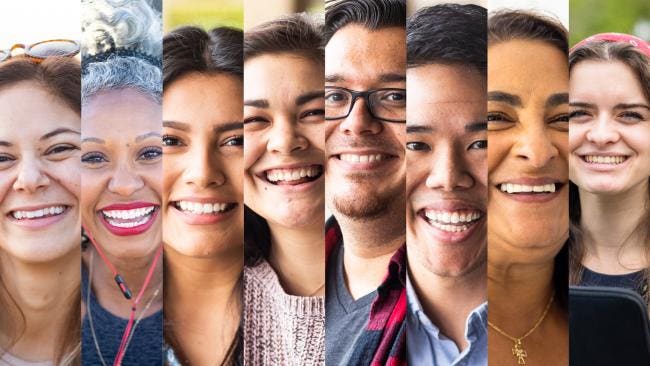
Today’s workplaces are more diverse than ever. Employees bring different cultural backgrounds, lived experiences, belief systems, and identities into their professional lives. Among these dimensions, faith remains one of the least discussed yet most influential aspects of a person’s identity. As organizations push toward stronger diversity and inclusion efforts, embracing faith as part of cultural identity is becoming an essential piece of creating workplaces where people feel safe, respected, and fully seen.
Many organizations already recognize race, gender, age, and disability as core pillars of inclusion. Faith, however, often sits in the background. Not because it’s unimportant, but because leaders may fear navigating personal belief systems or unintentionally crossing sensitive boundaries. Yet research shows that when people feel they cannot express a meaningful part of who they are — including faith — engagement drops, belonging weakens, and trust erodes. Creating spaces where people can show up authentically does not mean emphasizing religion; it means honoring identity in a balanced and respectful way.
Understanding Faith as a Dimension of Cultural Identity
Faith shapes how people make decisions, find meaning, process conflict, and interact with others. Even for those who are not religious, personal belief systems influence values and worldview. In the modern workplace, cultural inclusion requires acknowledging that identity is multi-layered. Faith may show up in simple practices like prayer breaks, dietary preferences, observance of holidays, or communication norms — all of which are tied to personal dignity.
When workplaces ignore or overlook these aspects, employees often feel pressured to shrink part of themselves to fit in. Inclusion becomes performative instead of lived. Recognizing faith as a cultural dimension doesn’t require leaders to have deep religious expertise; it simply requires curiosity, respect, and a willingness to uphold equity in practical ways.
Creating Space for Respectful Expression
Supporting faith inclusion begins with treating it the same way organizations treat any identity attribute — with neutrality and respect. Employees should feel comfortable expressing their faith where appropriate, without fear of discrimination or judgment. This includes wearing religious attire, requesting floating holidays, or observing specific practices.
Leaders can set the tone by acknowledging diverse traditions and encouraging open conversations that are informative, not intrusive. Simple actions like offering flexible scheduling around religious holidays, allowing private spaces for reflection or prayer, and establishing clear policies around accommodation send a powerful message: every identity is welcome here.
True inclusion is not about prioritizing one belief system; it is about ensuring equal treatment for all beliefs, including those who do not practice religion at all. This balance creates psychological safety — the foundation of belonging and high-performing teams.
Building Culturally Inclusive Leadership Skills
Leaders play a critical role in shaping how faith and identity are understood in the workplace. Cultural humility, emotional intelligence, and active listening are essential skills that help leaders navigate sensitive topics without making assumptions.
A culturally inclusive leader asks questions like:
• “How can we support your needs while maintaining fairness for everyone?”
• “Are there any considerations or accommodations important for your work experience?”
• “What practices help you feel grounded or supported during the workday?”
These questions don’t probe into personal details. Instead, they open the door for employees to share the information they choose, in a way that empowers them. Leadership rooted in curiosity and respect helps break down stereotypes and builds trust across differences.
Encouraging Education and Awareness
Organizations that embrace cultural inclusion understand that awareness must be cultivated, not assumed. Providing training on cultural intelligence, interfaith awareness, and unconscious bias allows employees and leaders to gain language, understanding, and confidence in navigating conversations about identity.
Highlighting the significance of different traditions during cultural observances is not about celebrating every holiday. It’s about acknowledging the diversity that already exists within the team. When employees feel represented, morale increases and collaboration becomes easier. Teams operate from shared understanding instead of assumptions.
Beyond training, employee resource groups (ERGs) — including interfaith or multicultural groups — give employees a voice, create community, and offer leadership development opportunities. These spaces help people feel connected while strengthening the organization’s overall culture of belonging.
Protecting Equity and Preventing Bias
Faith inclusion also means protecting employees from discrimination, exclusion, or hostility. Leaders should be prepared to intervene if conversations or behaviors cross into judgment or bias. Clear policies around respect, boundaries, and anti-discrimination are essential to maintaining fairness.
It is also important to recognize subtle forms of exclusion — eye-rolling when someone mentions their faith, assumptions about competence, or comments that minimize certain practices. These micro-messages often have a bigger impact than overt discrimination. Addressing them promptly reinforces that all identities are valued.
Equity-driven workplaces understand that fairness does not mean treating everyone the same. It means giving people the support they need based on their individual experience. If an employee requires specific accommodations to thrive, meeting that need is part of building a deeply inclusive environment.
Embracing Whole-Person Inclusion
The modern workplace is shifting toward whole-person inclusion — recognizing that employees don’t leave parts of themselves at the door. When organizations honor all dimensions of identity, including faith, employees feel grounded, respected, and empowered to contribute fully.
Cultural inclusion is not about highlighting differences. It is about creating an environment where those differences can exist without tension, bias, or fear. Embracing faith as part of identity brings organizations one step closer to achieving true belonging — a workplace culture where people are valued for who they are, not only for what they do.


Community Mentorship Programs Help Strengthen Local Workforce and Social Impact

Low-Code Platforms are Changing How Businesses Build Internal Technology

Microlearning in Employee Training: A Practical Approach to Workplace Skill Development

Decision-Making Frameworks Improve Strategic Leadership and Organizational Clarity

Career Ladder Programs Strengthen Workforce Development and Employee Retention

Workplace Recognition Programs Improve Organizational Culture and Employee Engagement

Why Mental Endurance is Essential for Workplace Resilience

What Informational Interviews are and Why they Matter

How Emotional Intelligence Can Help You Manage Stress and Build Resilience

Interview with Dr. Kristy K. Taylor, WORxK Global News Magazine Founder

Sarah Herrlinger Talks AirPods Pro Hearing Aid

NetWork Your Way to Success: Top Tips for Maximizing Your Professional Network

Unlocking Human Potential: Kim Groshek’s Journey to Transforming Leadership and Stress Resilience

The Power of Belonging: Why Feeling Accepted Matters in the Workplace

Health-care stocks fall after Warren PBM bill, Brian Thompson shooting

Glenda Benevides: Creating Global Impact Through Music
-
 Resiliency7 months ago
How Emotional Intelligence Can Help You Manage Stress and Build Resilience
-
 Career Advice1 year ago
Interview with Dr. Kristy K. Taylor, WORxK Global News Magazine Founder
-
 Diversity and Inclusion (DEIA)1 year ago
Sarah Herrlinger Talks AirPods Pro Hearing Aid
-
 Career Advice1 year ago
NetWork Your Way to Success: Top Tips for Maximizing Your Professional Network
-
 Changemaker Interviews1 year ago
Unlocking Human Potential: Kim Groshek’s Journey to Transforming Leadership and Stress Resilience
-
 Diversity and Inclusion (DEIA)1 year ago
The Power of Belonging: Why Feeling Accepted Matters in the Workplace
-
 Global Trends and Politics1 year ago
Health-care stocks fall after Warren PBM bill, Brian Thompson shooting
-
 Changemaker Interviews12 months ago
Glenda Benevides: Creating Global Impact Through Music