
Global Trends and Politics
FDA to consider drug affordability when speeding up approvals: Makary

Introduction to FDA’s New Voucher Program
The Food and Drug Administration will consider drug affordability when granting companies new vouchers that speed up approvals of some treatments, the agency’s Commissioner Marty Makary told CNBC on Friday. The FDA in June announced a national priority voucher plan that aims to cut drug review times to one-to-two months for companies it says are supporting "U.S. national interests." But previous announcements on the voucher program did not explicitly mention making drugs more affordable as a criterion.
Affordability as a National Priority
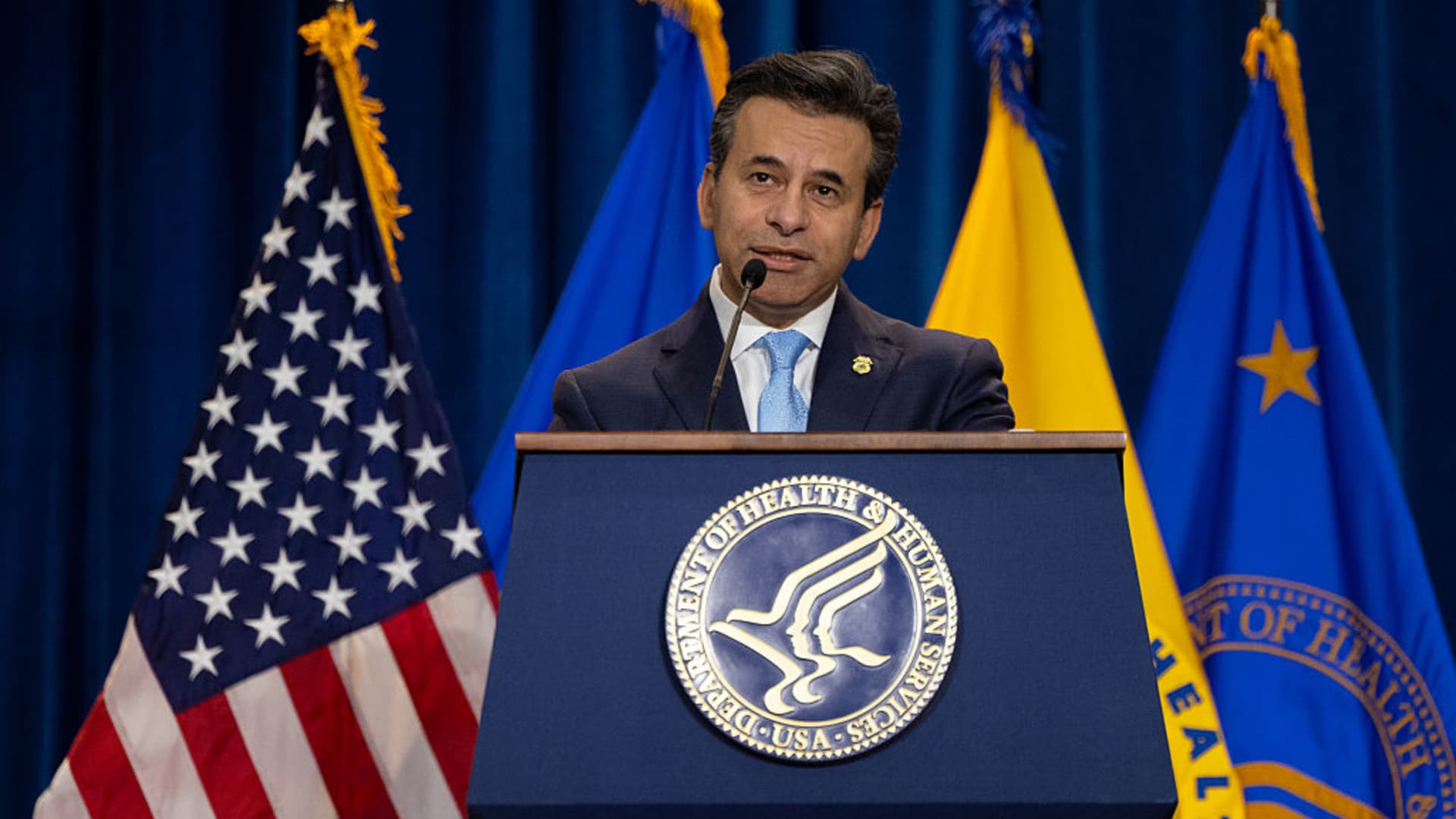
"We are including the affordability of drugs as a national priority," Makary told CNBC. Lowering drug prices is a key goal of the Trump administration, which is facing a tough balancing act as it threatens to impose up to 200% tariffs on pharmaceuticals imported into the U.S. in a bid to reshore drug manufacturing. Commissioner of the Food and Drugs Administration Marty Makary speaks at a news conference on removing synthetic dyes from America’s food supply, at the Health and Human Services Headquarters in Washington, DC on April 22, 2025.
Trump Administration’s Goals
Makary added that President Donald Trump is "very adamant that he would lower drug prices for Americans, and he doesn’t like it that Americans are getting ripped off with drugs that are two, five, 10 times higher" in the U.S. compared to other developed countries. But it is unclear how the Trump administration will consider affordability when reviewing a drug, as prices for a product’s launch are usually determined after an approval in the U.S.
National Priorities for Voucher Program
The FDA’s website currently outlines four examples of "national priorities" that will be used to determine which companies will get a voucher under the new program. That includes addressing a health crisis in the U.S., delivering "more innovative cures" to Americans, addressing unmet public health needs and "increasing domestic drug manufacturing as a national security issue." Drug affordability may have been included previously, according to a Wall Street Journal report in June. A spokesperson for the Department of Health and Human Services confirmed that the FDA will consider drug affordability for the program, adding the criteria aren’t limited to earlier examples.
Examples of Health Crises
When asked to provide examples of a health crisis that companies can meet with their drugs, Makary said he wants to see a cure for Type 1 diabetes, more treatments for neurodegenerative diseases and a universal flu shot "so we don’t have to try to guess which strain is coming." He also said he wants to see more treatments for stage 4 cancer, or when the disease has spread from its original site to distant parts of the body. "We have a committee that’s set up that will determine which products and companies will get these vouchers as part of a pilot," Makary said. "But we’ve got to try new things. We’ve got to ask ourselves, why does it take so long to come to market? And we want to see more cures and meaningful treatments for Americans."
Implementation and Potential Risks
The FDA will give out new vouchers this year. After a one-year pilot phase, the agency may increase the number of quick approvals it gives to companies. Some Wall Street analysts have previously said the voucher program could be more effective than tariffs at encouraging drugmakers to bring their manufacturing to the U.S. But questions remain about the risks of speeding up drug reviews to as little as 30 days, which is the fastest the FDA has ever done. Another potential concern is whether the FDA will offer vouchers to political allies of the Trump administration, which could include companies that agency staff would normally scrutinize.
Conclusion
The FDA’s new voucher program aims to prioritize affordability and national interests in the drug approval process. While the program’s goals are ambitious, its implementation and potential risks are still unclear. As the FDA moves forward with the program, it will be important to monitor its progress and ensure that it is achieving its intended goals without compromising the safety and efficacy of approved drugs.
FAQs
Q: What is the FDA’s new voucher program?
A: The FDA’s new voucher program is a national priority voucher plan that aims to cut drug review times to one-to-two months for companies that support "U.S. national interests."
Q: What are the national priorities for the voucher program?
A: The national priorities include addressing a health crisis in the U.S., delivering "more innovative cures" to Americans, addressing unmet public health needs, and "increasing domestic drug manufacturing as a national security issue."
Q: Will the FDA consider drug affordability when granting vouchers?
A: Yes, the FDA will consider drug affordability when granting vouchers.
Q: What are some examples of health crises that companies can meet with their drugs?
A: Examples include a cure for Type 1 diabetes, more treatments for neurodegenerative diseases, a universal flu shot, and more treatments for stage 4 cancer.
Q: What are the potential risks of the voucher program?
A: Potential risks include the speed of drug reviews and the potential for the FDA to offer vouchers to political allies of the Trump administration.


Community Mentorship Programs Help Strengthen Local Workforce and Social Impact

Low-Code Platforms are Changing How Businesses Build Internal Technology

Microlearning in Employee Training: A Practical Approach to Workplace Skill Development

Decision-Making Frameworks Improve Strategic Leadership and Organizational Clarity

Career Ladder Programs Strengthen Workforce Development and Employee Retention

Workplace Recognition Programs Improve Organizational Culture and Employee Engagement

Why Mental Endurance is Essential for Workplace Resilience

What Informational Interviews are and Why they Matter

How Emotional Intelligence Can Help You Manage Stress and Build Resilience

Interview with Dr. Kristy K. Taylor, WORxK Global News Magazine Founder

Sarah Herrlinger Talks AirPods Pro Hearing Aid

NetWork Your Way to Success: Top Tips for Maximizing Your Professional Network

Unlocking Human Potential: Kim Groshek’s Journey to Transforming Leadership and Stress Resilience

The Power of Belonging: Why Feeling Accepted Matters in the Workplace

Health-care stocks fall after Warren PBM bill, Brian Thompson shooting

Glenda Benevides: Creating Global Impact Through Music
-
 Resiliency7 months ago
How Emotional Intelligence Can Help You Manage Stress and Build Resilience
-
 Career Advice1 year ago
Interview with Dr. Kristy K. Taylor, WORxK Global News Magazine Founder
-
 Diversity and Inclusion (DEIA)1 year ago
Sarah Herrlinger Talks AirPods Pro Hearing Aid
-
 Career Advice1 year ago
NetWork Your Way to Success: Top Tips for Maximizing Your Professional Network
-
 Changemaker Interviews1 year ago
Unlocking Human Potential: Kim Groshek’s Journey to Transforming Leadership and Stress Resilience
-
 Diversity and Inclusion (DEIA)1 year ago
The Power of Belonging: Why Feeling Accepted Matters in the Workplace
-
 Global Trends and Politics1 year ago
Health-care stocks fall after Warren PBM bill, Brian Thompson shooting
-
 Changemaker Interviews12 months ago
Glenda Benevides: Creating Global Impact Through Music