
Diversity and Inclusion (DEIA)
Federal Judge Reinstates $1 Billion In NIH Grants Due To Government Discrimination

Introduction to the NIH Grants Controversy
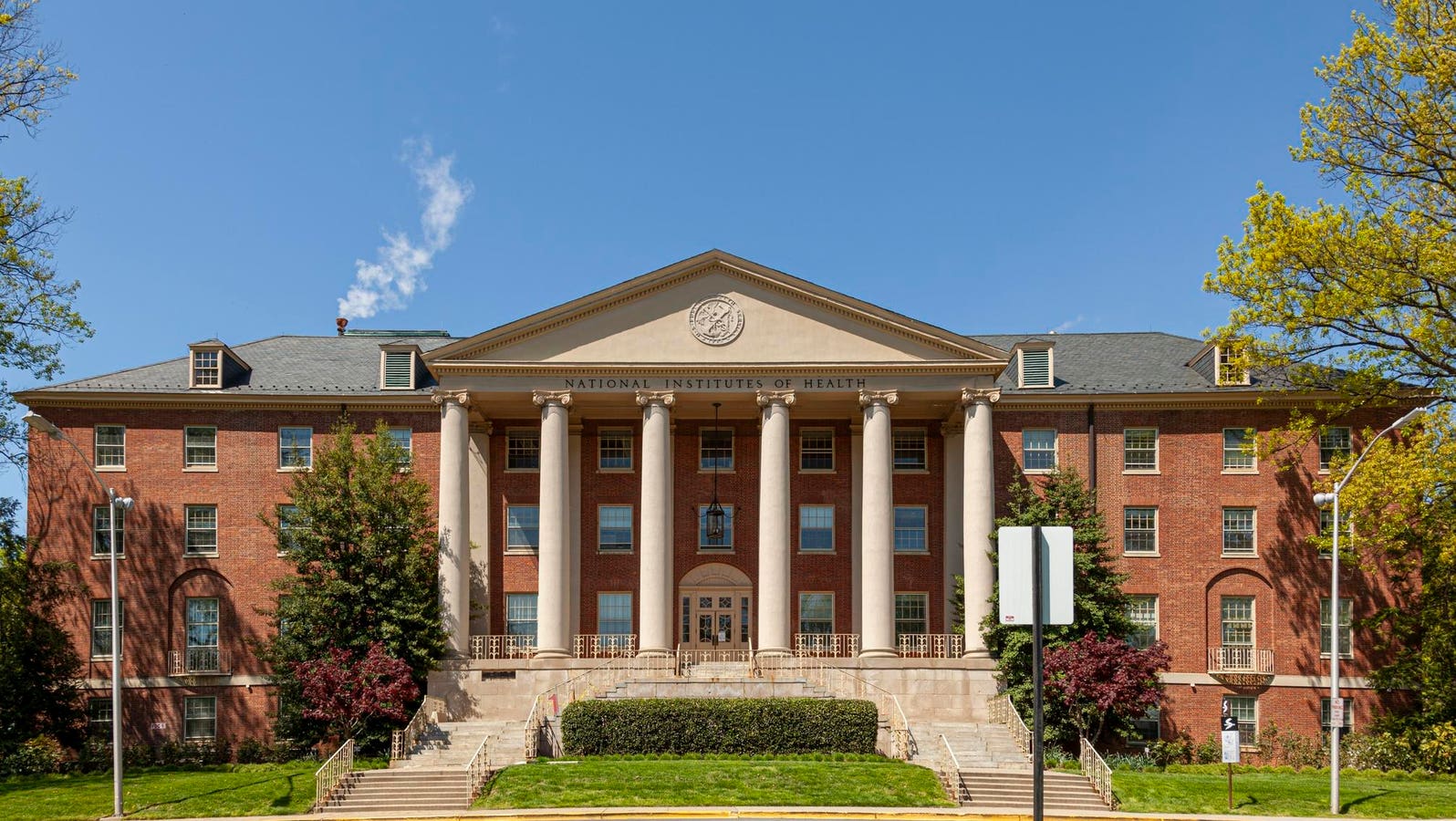
On Monday, U.S. District Judge William G. Young declared the Trump administration’s cancellation of more than $1 billion in NIH research grants “void and illegal” and accused the government of racial discrimination. The grants targeted included studies on vaccine hesitancy, maternal health in minority communities, and gender identity. The ruling temporarily restores funding for a coalition of researchers and Democratic-led states who sued to block the cuts.
Reaction to the Ruling
The sense of relief among plaintiffs was clear. “Judge Young’s ruling is a watershed moment for everyone who believes science should serve everyone,” said co-defendant Brittany Charlton of Harvard Medical School in a statement. “Sitting in court, I was struck by the weight of what he said. His willingness to publicly condemn this as blatant discrimination gives me hope that accountability and justice are still possible.”
A Flashpoint in the Politics of Science
Judge Young’s language was unusually direct. According to the New York Times, Judge Young said from the bench that he had “never seen government racial discrimination like this,” and later asked, “Have we no shame?” The case marks a key moment in what academics and journalists have referred to as a broader war on science by the Trump administration — an effort to reshape the role of public science under political pressure and for ideological reasons.
The Context of the Decision
The decision comes amid warranted scrutiny of how federal agencies set research priorities. The direction of science has always reflected the influence of its patrons — from the Medici court’s support of Galileo to the Manhattan Project’s harnessing of physics for wartime goals. Since the advent of “big science,” governments have become the principal sponsors, shaping inquiry through formal mechanisms including peer review, targeted programs, and oversight by professional staff. These procedures have not only preserved the integrity of the scientific enterprise but also enabled science to generate broad societal returns from public health and technological innovation to economic productivity yielding dividends that greatly exceed the costs of research. The Trump administration’s abrupt termination of peer-reviewed grants represents a sharp break from these norms. While not necessarily unlawful on its face, this departure has disrupted the institutional systems that convert public funding into innovation — and raised fears of a mounting brain drain from the United States.
The Brain Drain Concern
Earlier this year, the leading scientific journal Nature reported that highly skilled scientists are seeking to leave the US to work elsewhere in unprecedented numbers. This trend is alarming, as it suggests that the United States may be losing its competitive edge in scientific research due to the administration’s policies.
The Administration’s Justification and the Court’s Response
The administration justified its actions by appealing to a vague critique of science as “ideologically driven.” In court, Department of Justice lawyer Thomas Ports explained that NIH Director Jay Bhattacharya had determined some areas, such as gender identity, were “not scientifically valuable.” Yet the selective nature of the cuts — and the absence of procedural transparency — led Judge Young to conclude that the motive was discriminatory rather than scientific.
Scientific Scrutiny and Restoring Governance
In the absence of official disclosure, the scope of the NIH grant cancellations was reconstructed by Grant Watch, a grassroots initiative led by academic scientists. That the federal judiciary had to rely on this volunteer effort for evidence highlights the fragility of scientific governance when institutional transparency fails.
The Road Ahead
Noam Ross, one of the leaders of Grant Watch, described the ruling as “a step forward under an administration that has been intent on running progress backwards.” In a statement, he emphasized that “there’s still much work to be done to hold the NIH accountable, to repair the damage caused by these terminations, and to confront the broader erosion of American science and public trust.” He added that he was heartened by Judge Young’s unequivocal language, saying the judge’s willingness to call the actions “illegal and discriminatory” offered hope for accountability.
The Importance of Institutional Credibility
What is most striking is that the government itself was unable to produce a clear and accurate record of which grants had been terminated. This gap is not merely bureaucratic — it signals a breakdown in accountability at the heart of the research funding process. The long-term consequences of the ruling remain uncertain. But it points to a deeper issue: the authority of science depends not only on the knowledge it produces, but on the credibility of the institutions that produce it. That credibility goes both ways. The erosion of public trust in elite institutions does not excuse the government’s ideological manipulation of the scientific process. Peer review, transparency, and procedural integrity are not bureaucratic niceties; they are what separate scientific inquiry from political opinion or ideological assertion. When those norms are ignored, the line between science and politics disappears — not because science is ever apolitical, but because its function in a democratic society depends on institutions that are seen as fair, consistent, and accountable.
Conclusion
The ruling by Judge Young is a significant step towards holding the government accountable for its actions regarding the NIH grants. However, it also highlights the deeper issues of scientific governance, transparency, and the erosion of public trust in institutions. The road ahead will require continued scrutiny and effort to restore the integrity of the scientific process and ensure that science serves the public interest.
FAQs
- Q: What was the outcome of the court case regarding the NIH grants?
A: The court ruled that the Trump administration’s cancellation of more than $1 billion in NIH research grants was “void and illegal” and accused the government of racial discrimination. - Q: What areas of research were targeted by the grant cancellations?
A: The grants targeted included studies on vaccine hesitancy, maternal health in minority communities, and gender identity. - Q: Why did the administration justify the cancellation of the grants?
A: The administration justified its actions by appealing to a vague critique of science as “ideologically driven.” - Q: What is the significance of the Grant Watch initiative in this context?
A: Grant Watch, a grassroots initiative led by academic scientists, reconstructed the scope of the NIH grant cancellations in the absence of official disclosure, highlighting the fragility of scientific governance when institutional transparency fails. - Q: What are the long-term implications of the ruling and the administration’s actions on scientific research in the United States?
A: The long-term implications include the potential for a brain drain, erosion of public trust in institutions, and the undermining of the integrity of the scientific process, which could have significant consequences for the United States’ competitive edge in scientific research and its ability to address public health and technological challenges.




Community Mentorship Programs Help Strengthen Local Workforce and Social Impact

Low-Code Platforms are Changing How Businesses Build Internal Technology

Microlearning in Employee Training: A Practical Approach to Workplace Skill Development

Decision-Making Frameworks Improve Strategic Leadership and Organizational Clarity

Career Ladder Programs Strengthen Workforce Development and Employee Retention

Workplace Recognition Programs Improve Organizational Culture and Employee Engagement

Why Mental Endurance is Essential for Workplace Resilience

What Informational Interviews are and Why they Matter

How Emotional Intelligence Can Help You Manage Stress and Build Resilience

Interview with Dr. Kristy K. Taylor, WORxK Global News Magazine Founder

Sarah Herrlinger Talks AirPods Pro Hearing Aid

NetWork Your Way to Success: Top Tips for Maximizing Your Professional Network

Unlocking Human Potential: Kim Groshek’s Journey to Transforming Leadership and Stress Resilience

The Power of Belonging: Why Feeling Accepted Matters in the Workplace

Health-care stocks fall after Warren PBM bill, Brian Thompson shooting

Glenda Benevides: Creating Global Impact Through Music
-
 Resiliency7 months ago
How Emotional Intelligence Can Help You Manage Stress and Build Resilience
-
 Career Advice1 year ago
Interview with Dr. Kristy K. Taylor, WORxK Global News Magazine Founder
-
 Diversity and Inclusion (DEIA)1 year ago
Sarah Herrlinger Talks AirPods Pro Hearing Aid
-
 Career Advice1 year ago
NetWork Your Way to Success: Top Tips for Maximizing Your Professional Network
-
 Changemaker Interviews1 year ago
Unlocking Human Potential: Kim Groshek’s Journey to Transforming Leadership and Stress Resilience
-
 Diversity and Inclusion (DEIA)1 year ago
The Power of Belonging: Why Feeling Accepted Matters in the Workplace
-
 Global Trends and Politics1 year ago
Health-care stocks fall after Warren PBM bill, Brian Thompson shooting
-
 Changemaker Interviews12 months ago
Glenda Benevides: Creating Global Impact Through Music