
Global Trends and Politics
Federal Workforce Faces Unprecedented Layoffs Amid Economic Uncertainty

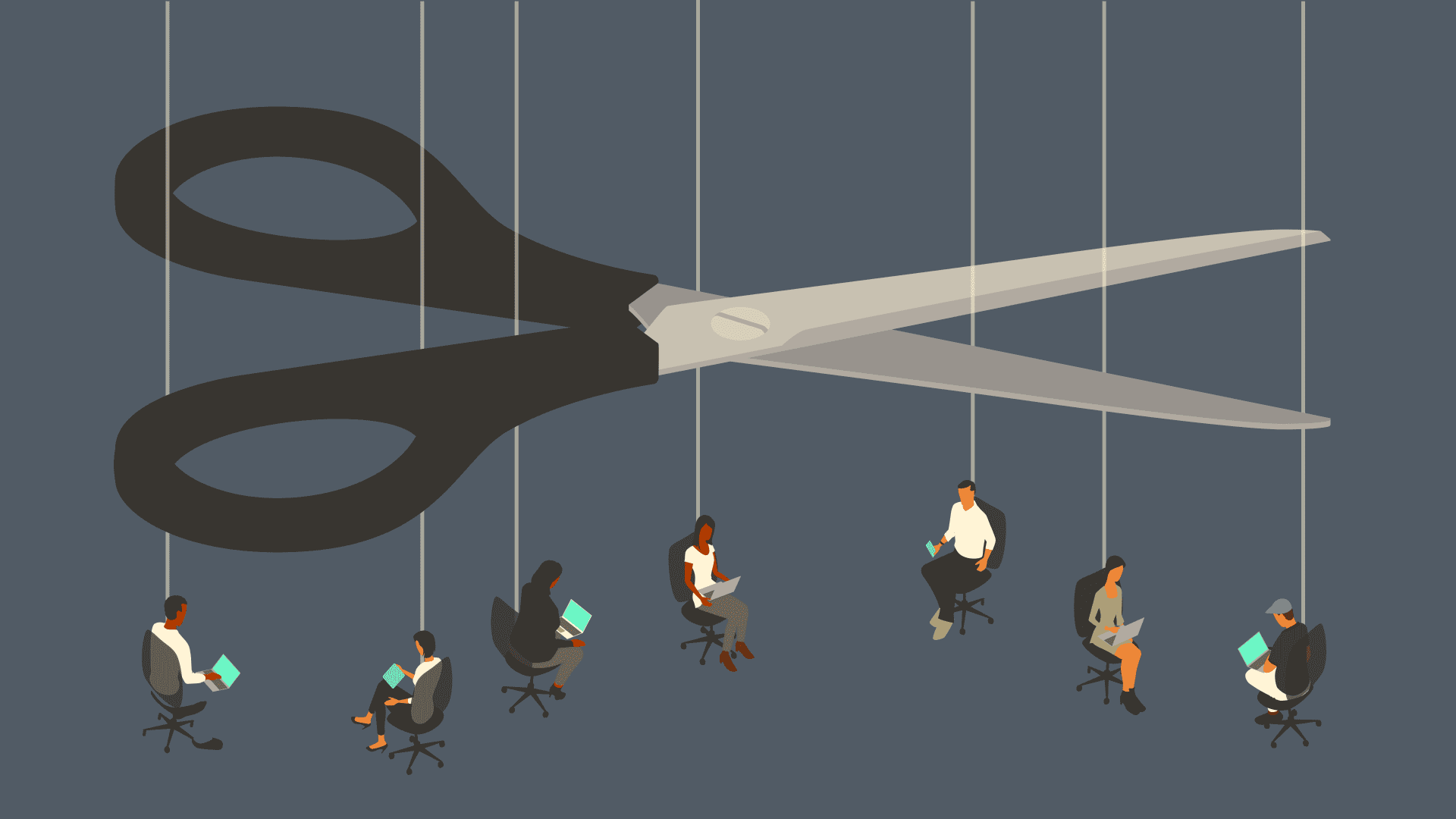
As the Department of Government Efficiency (DOGE) concludes its cost-cutting initiatives, the ripple effects of mass layoffs continue to impact federal employees and the broader job market. The Trump administration’s aggressive downsizing efforts have led to significant job losses across various federal agencies, raising concerns about the long-term implications for public services and the economy.
Economic Uncertainty and Job Market
The broader economic landscape remains volatile, with trade tensions and policy shifts contributing to uncertainty. While the April jobs report exceeded expectations, private-sector hiring has slowed, with ADP reporting the lowest growth in over two years. Companies are increasingly citing artificial intelligence (AI) as a factor in workforce reductions, signaling a shift in hiring practices and organizational structures.
Companies Announcing Layoffs
Several major corporations have announced significant layoffs in recent weeks:
-
Procter & Gamble: The consumer goods giant plans to cut 7,000 jobs, approximately 15% of its non-manufacturing workforce, over the next two years as part of a restructuring effort aimed at streamlining operations and reducing costs.
-
Microsoft: The tech company announced the reduction of about 6,000 employees, or 3% of its global workforce, to flatten management layers and improve efficiency.
-
Citigroup: The financial institution is set to reduce its staff by around 3,500 positions in China, primarily affecting the information technology services unit, as part of a broader reorganization strategy.
-
Walmart: The retail giant plans to eliminate approximately 1,500 jobs across various divisions, including global technology and U.S.-based e-commerce fulfillment, to simplify operations amid rising costs.
-
Klarna: The fintech company has reduced its headcount by 40%, attributing the cuts to AI investments and a hiring freeze that led to attrition.
-
CrowdStrike: The cybersecurity firm announced plans to cut 500 employees, about 5% of its staff, citing AI’s transformative impact on the industry and the need to evolve its operating model.
-
Disney: The entertainment conglomerate is set to lay off several hundred employees worldwide across various divisions, including film and TV marketing, as part of efforts to enhance operational efficiency.
-
Chegg: The online education company will lay off 248 employees, representing 22% of its workforce, in response to the growing influence of AI-powered tools in the education sector.
-
Amazon: The e-commerce leader plans to eliminate about 100 jobs in its devices and services division, including teams working on Alexa and Echo products, as part of ongoing cost-trimming efforts.
-
Warner Bros. Discovery: The media company will lay off fewer than 100 employees across various divisions, aligning with its recent reorganization into two main units: global linear networks and streaming and studios.
Impact on Federal Workers
The federal workforce has not been immune to these trends. The Trump administration’s initiatives have led to the loss of nearly 60,000 federal jobs, with projections indicating further reductions in the coming year. Agencies such as the Department of Education, Department of Veterans Affairs, and the Environmental Protection Agency have experienced significant staffing cuts, prompting legal challenges and public outcry.
In particular, the Department of Education faces a potential 40% reduction in staff, a move currently under judicial review. Similarly, the Department of Veterans Affairs plans to cut 15% of its workforce, raising concerns about the impact on veteran services. The Environmental Protection Agency has already laid off over 300 employees, affecting its capacity to enforce environmental regulations.
Legal and Political Challenges
These sweeping changes have sparked legal battles and political debates. Federal judges have issued injunctions blocking some of the proposed layoffs, citing the need for congressional approval and the potential harm to public services. The administration has appealed these decisions, seeking Supreme Court intervention to proceed with its downsizing plans.
Critics argue that the rapid implementation of these workforce reductions undermines the stability and effectiveness of federal agencies. Supporters contend that the measures are necessary to eliminate inefficiencies and reduce government spending.
Conclusion
As the federal government and private sector navigate these transformative changes, the job market remains in flux. The integration of AI, economic pressures, and policy decisions continue to reshape employment landscapes, leaving many workers facing uncertainty. The long-term effects of these developments will depend on the balance struck between innovation, fiscal responsibility, and the preservation of essential public services.


Community Mentorship Programs Help Strengthen Local Workforce and Social Impact

Low-Code Platforms are Changing How Businesses Build Internal Technology

Microlearning in Employee Training: A Practical Approach to Workplace Skill Development

Decision-Making Frameworks Improve Strategic Leadership and Organizational Clarity

Career Ladder Programs Strengthen Workforce Development and Employee Retention

Workplace Recognition Programs Improve Organizational Culture and Employee Engagement

Why Mental Endurance is Essential for Workplace Resilience

What Informational Interviews are and Why they Matter

How Emotional Intelligence Can Help You Manage Stress and Build Resilience

Interview with Dr. Kristy K. Taylor, WORxK Global News Magazine Founder

Sarah Herrlinger Talks AirPods Pro Hearing Aid

NetWork Your Way to Success: Top Tips for Maximizing Your Professional Network

Unlocking Human Potential: Kim Groshek’s Journey to Transforming Leadership and Stress Resilience

The Power of Belonging: Why Feeling Accepted Matters in the Workplace

Health-care stocks fall after Warren PBM bill, Brian Thompson shooting

Glenda Benevides: Creating Global Impact Through Music
-
 Resiliency7 months ago
How Emotional Intelligence Can Help You Manage Stress and Build Resilience
-
 Career Advice1 year ago
Interview with Dr. Kristy K. Taylor, WORxK Global News Magazine Founder
-
 Diversity and Inclusion (DEIA)1 year ago
Sarah Herrlinger Talks AirPods Pro Hearing Aid
-
 Career Advice1 year ago
NetWork Your Way to Success: Top Tips for Maximizing Your Professional Network
-
 Changemaker Interviews1 year ago
Unlocking Human Potential: Kim Groshek’s Journey to Transforming Leadership and Stress Resilience
-
 Diversity and Inclusion (DEIA)1 year ago
The Power of Belonging: Why Feeling Accepted Matters in the Workplace
-
 Global Trends and Politics1 year ago
Health-care stocks fall after Warren PBM bill, Brian Thompson shooting
-
 Changemaker Interviews12 months ago
Glenda Benevides: Creating Global Impact Through Music