
Global Trends and Politics
Forever 21 Files for Second Bankruptcy, Blames Shein and Temu

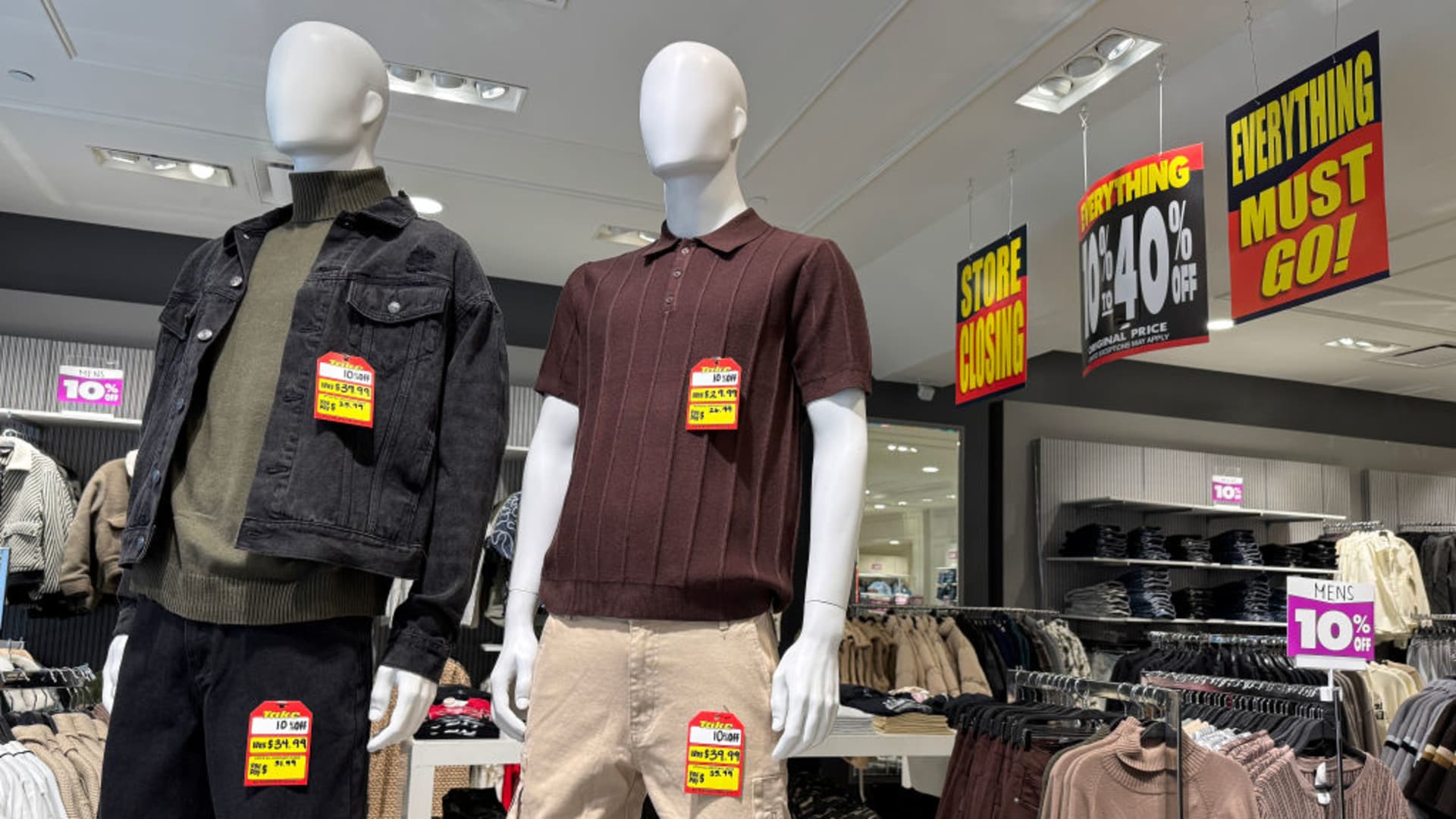
Forever 21 Files for Bankruptcy for the Second Time in Six Years
Forever 21, a leading fast-fashion retailer, has filed for bankruptcy protection for the second time in six years. The company’s operating company, Sparc Group, has blamed fast-fashion e-tailers Shein and Temu for its demise, citing their use of the de minimis exemption, a trade law loophole that allows goods valued under $800 to be shipped into the U.S. without import duties.
Liquidation Sales and Potential Buyout
The company’s operating company is expected to cease all operations in the U.S. and has begun liquidation sales at its over 350 locations. However, the brand’s intellectual property, including its name and logo, is not up for sale, and the company has expressed interest in finding a new operator to run its U.S. business.
Challenges and Competition
Forever 21 has been facing significant challenges in recent years, including the COVID-19 pandemic, high inflation, and increased competition from Chinese-founded e-tailers like Shein and Temu. The company’s co-chief restructuring officer, Stephen Coulombe, stated that these retailers have "materially and negatively impacted" the company’s business by using the de minimis exemption.
Efforts to Counteract Competition
In 2023, the owner of Forever 21’s operating company, Sparc Group, partnered with Shein to counteract the competition. However, the deal did not stem the company’s losses or lead to any changes in the de minimis rules.
International Operations
Despite the U.S. operations being headed for liquidation, Forever 21’s international stores and website are expected to continue operating. The company’s brand management firm, Authentic Brands Group, has expressed confidence in the brand’s future, stating that it is "receiving lots of interest from strong brand operators and digital experts who share our vision and are ready to take the brand to the next level."
Conclusion
Forever 21’s second bankruptcy filing is a significant blow to the retail industry, marking the end of an era for the once-thriving fast-fashion brand. While the company’s international operations will continue, its U.S. presence will cease to exist. The brand’s struggles are a testament to the challenges posed by global competition and the need for retailers to adapt to changing consumer preferences.
FAQs
Q: What caused Forever 21’s bankruptcy?
A: The company blamed fast-fashion e-tailers Shein and Temu for using the de minimis exemption, a trade law loophole that allows goods valued under $800 to be shipped into the U.S. without import duties.
Q: What happens to Forever 21’s U.S. operations?
A: The company’s operating company is expected to cease all operations in the U.S. and has begun liquidation sales at its over 350 locations.
Q: Will Forever 21’s brand exist after the bankruptcy?
A: Yes, the brand’s intellectual property, including its name and logo, is not up for sale, and the company has expressed interest in finding a new operator to run its U.S. business.


Community Mentorship Programs Help Strengthen Local Workforce and Social Impact

Low-Code Platforms are Changing How Businesses Build Internal Technology

Microlearning in Employee Training: A Practical Approach to Workplace Skill Development

Decision-Making Frameworks Improve Strategic Leadership and Organizational Clarity

Career Ladder Programs Strengthen Workforce Development and Employee Retention

Workplace Recognition Programs Improve Organizational Culture and Employee Engagement

Why Mental Endurance is Essential for Workplace Resilience

What Informational Interviews are and Why they Matter

How Emotional Intelligence Can Help You Manage Stress and Build Resilience

Interview with Dr. Kristy K. Taylor, WORxK Global News Magazine Founder

Sarah Herrlinger Talks AirPods Pro Hearing Aid

NetWork Your Way to Success: Top Tips for Maximizing Your Professional Network

Unlocking Human Potential: Kim Groshek’s Journey to Transforming Leadership and Stress Resilience

The Power of Belonging: Why Feeling Accepted Matters in the Workplace

Health-care stocks fall after Warren PBM bill, Brian Thompson shooting

Glenda Benevides: Creating Global Impact Through Music
-
 Resiliency7 months ago
How Emotional Intelligence Can Help You Manage Stress and Build Resilience
-
 Career Advice1 year ago
Interview with Dr. Kristy K. Taylor, WORxK Global News Magazine Founder
-
 Diversity and Inclusion (DEIA)1 year ago
Sarah Herrlinger Talks AirPods Pro Hearing Aid
-
 Career Advice1 year ago
NetWork Your Way to Success: Top Tips for Maximizing Your Professional Network
-
 Changemaker Interviews1 year ago
Unlocking Human Potential: Kim Groshek’s Journey to Transforming Leadership and Stress Resilience
-
 Diversity and Inclusion (DEIA)1 year ago
The Power of Belonging: Why Feeling Accepted Matters in the Workplace
-
 Global Trends and Politics1 year ago
Health-care stocks fall after Warren PBM bill, Brian Thompson shooting
-
 Changemaker Interviews12 months ago
Glenda Benevides: Creating Global Impact Through Music