
Innovation and Technology
Fostering Healthy Disagreement in Meetings

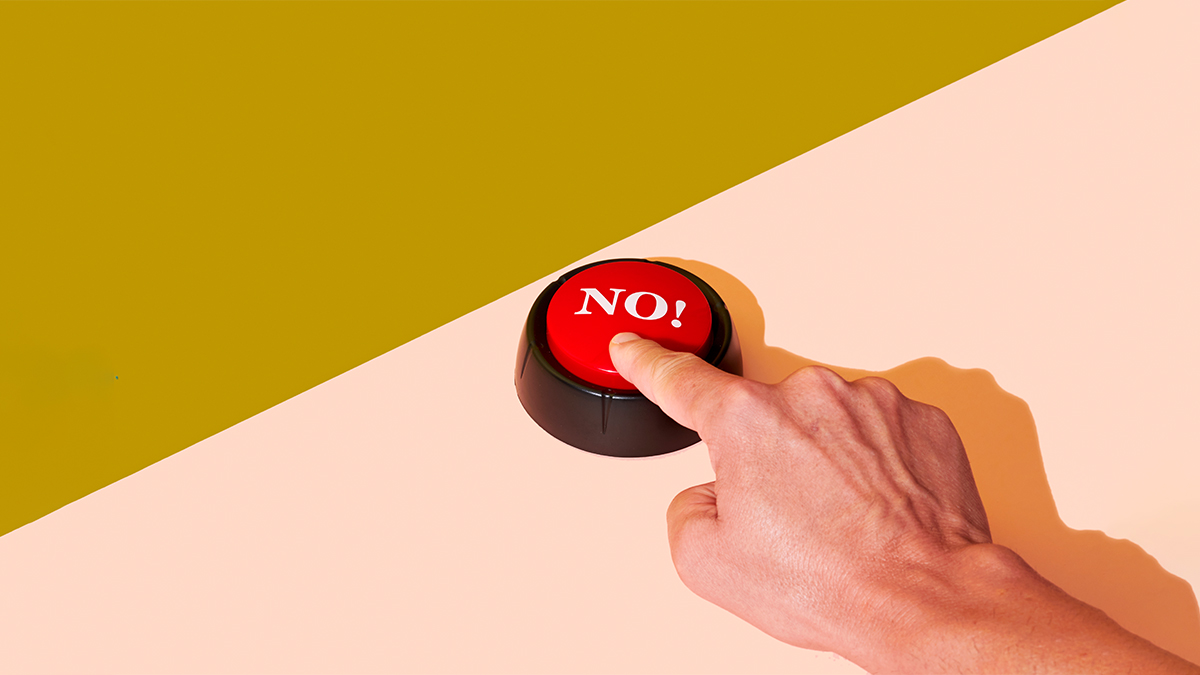
How to Foster Healthy Disagreement in Your Meetings
The Importance of Healthy Disagreement
Healthy disagreement is essential in meetings, as it allows team members to share different perspectives, challenge each other’s ideas, and arrive at a more informed decision. When done correctly, healthy disagreement can lead to better outcomes, increased creativity, and improved team collaboration.
Why Healthy Disagreement is Often Lacking
Despite its importance, healthy disagreement is often lacking in meetings. This can be due to a number of factors, including:
* Dominant personalities or voices
* Fear of conflict or confrontation
* Lack of clear goals or objectives
* Poor communication or active listening
* Inadequate preparation or research
Strategies for Fostering Healthy Disagreement
To foster healthy disagreement in your meetings, follow these strategies:
### 1. Set Clear Goals and Objectives
* Clearly define the meeting’s purpose and objectives
* Ensure all team members understand their roles and responsibilities
* Establish a positive and respectful tone for the meeting
### 2. Encourage Active Listening
* Encourage team members to listen actively and attentively to each other
* Foster an open and non-judgmental environment
* Use active listening techniques, such as paraphrasing and summarizing
### 3. Encourage Diverse Perspectives
* Invite a diverse range of perspectives and opinions
* Encourage team members to share their experiences and insights
* Be open to new ideas and perspectives
### 4. Focus on Facts and Data
* Encourage team members to base their arguments on facts and data
* Use evidence-based decision making
* Avoid personal attacks or emotional appeals
### 5. Manage Conflict Constructively
* Address conflicts and disagreements in a constructive manner
* Use “I” statements instead of “you” statements
* Focus on finding solutions rather than placing blame
### 6. Follow Up and Follow Through
* Ensure that action items and decisions are clearly documented
* Assign responsibilities and deadlines
* Review progress and outcomes to ensure successful implementation
Conclusion
Fostering healthy disagreement in your meetings is crucial for driving innovation, creativity, and collaboration. By setting clear goals, encouraging active listening, and managing conflict constructively, you can create an environment that values diverse perspectives and leads to better outcomes.
FAQs
Q: How can I encourage team members to speak up and share their ideas?
A: Encourage team members to share their ideas by creating a safe and supportive environment, and by actively listening and valuing their input.
Q: How can I handle conflicts and disagreements in a meeting?
A: Handle conflicts and disagreements constructively by focusing on the issue at hand, using “I” statements, and seeking common ground.
Q: What are some common pitfalls to avoid in meetings?
A: Common pitfalls to avoid in meetings include dominant personalities, lack of preparation, and poor communication.




Community Mentorship Programs Help Strengthen Local Workforce and Social Impact

Low-Code Platforms are Changing How Businesses Build Internal Technology

Microlearning in Employee Training: A Practical Approach to Workplace Skill Development

Decision-Making Frameworks Improve Strategic Leadership and Organizational Clarity

Career Ladder Programs Strengthen Workforce Development and Employee Retention

Workplace Recognition Programs Improve Organizational Culture and Employee Engagement

Why Mental Endurance is Essential for Workplace Resilience

What Informational Interviews are and Why they Matter

How Emotional Intelligence Can Help You Manage Stress and Build Resilience

Interview with Dr. Kristy K. Taylor, WORxK Global News Magazine Founder

Sarah Herrlinger Talks AirPods Pro Hearing Aid

NetWork Your Way to Success: Top Tips for Maximizing Your Professional Network

Unlocking Human Potential: Kim Groshek’s Journey to Transforming Leadership and Stress Resilience

The Power of Belonging: Why Feeling Accepted Matters in the Workplace

Health-care stocks fall after Warren PBM bill, Brian Thompson shooting

Glenda Benevides: Creating Global Impact Through Music
-
 Resiliency7 months ago
How Emotional Intelligence Can Help You Manage Stress and Build Resilience
-
 Career Advice1 year ago
Interview with Dr. Kristy K. Taylor, WORxK Global News Magazine Founder
-
 Diversity and Inclusion (DEIA)1 year ago
Sarah Herrlinger Talks AirPods Pro Hearing Aid
-
 Career Advice1 year ago
NetWork Your Way to Success: Top Tips for Maximizing Your Professional Network
-
 Changemaker Interviews1 year ago
Unlocking Human Potential: Kim Groshek’s Journey to Transforming Leadership and Stress Resilience
-
 Diversity and Inclusion (DEIA)1 year ago
The Power of Belonging: Why Feeling Accepted Matters in the Workplace
-
 Global Trends and Politics1 year ago
Health-care stocks fall after Warren PBM bill, Brian Thompson shooting
-
 Changemaker Interviews12 months ago
Glenda Benevides: Creating Global Impact Through Music