
Innovation and Technology
Generative AI’s Impact On Restaurant And Hospitality Jobs

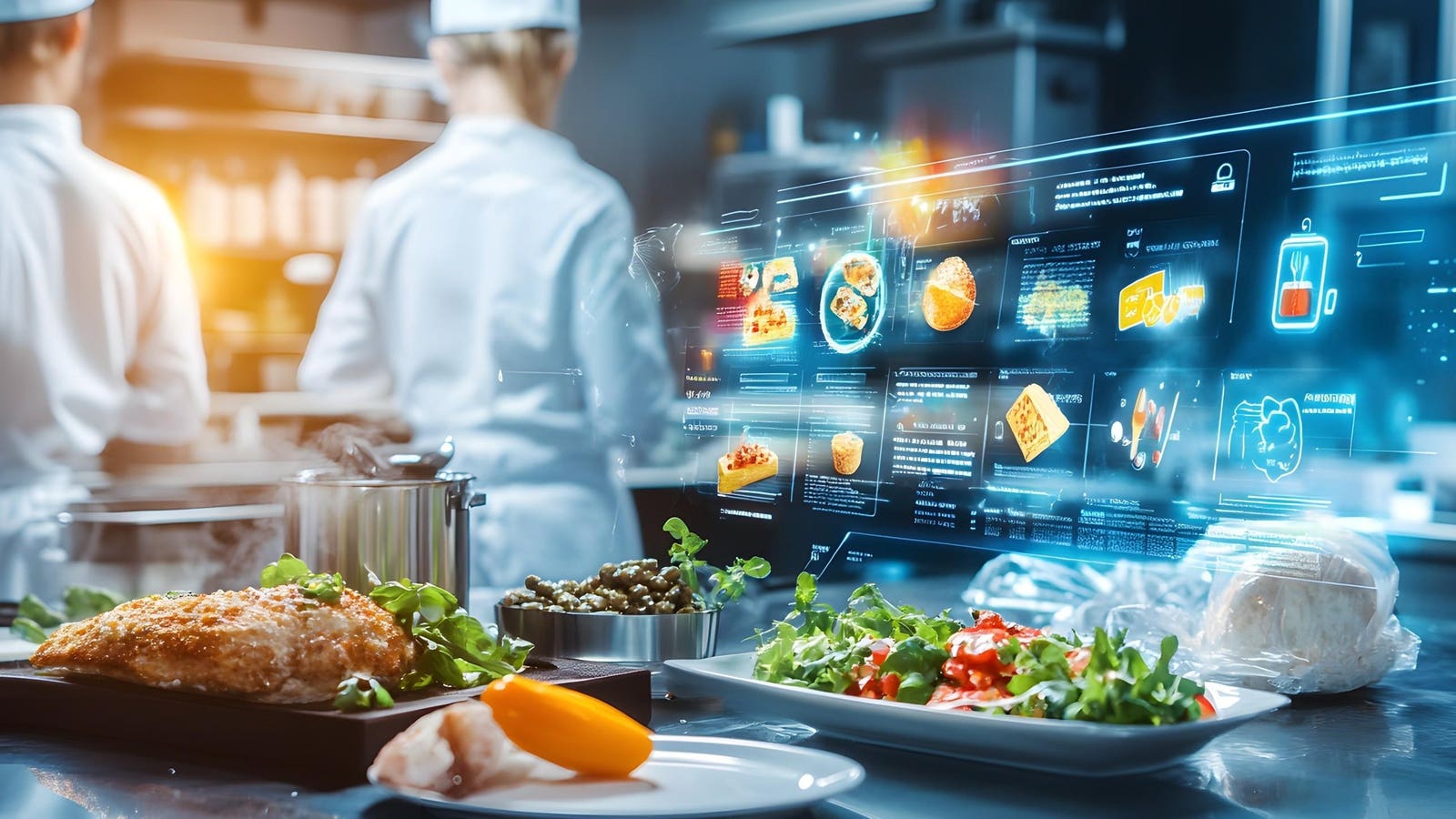
Working in a kitchen or front-of-house in a busy restaurant is an incredibly fast-paced and demanding joView Postb. Customers expect every dish to be perfect and the service to be exceptional. I believe the wave of transformation ushered in by generative AI will change every industry and job. And from fast food to fine dining, restaurants and hospitality will not be immune.
While the skills of a human chef are certainly hard for machines to emulate, there are many ways that AI can make life easier by automating routine tasks and augmenting our culinary creativity. So here are some of the ways that jobs in restaurants and hospitality will change, ushering in new opportunities for the businesses and professionals that are prepared to embrace AI.
How Will Chefs And Restaurants Use Generative AI?
According to UK hospitality industry publication Feast, “AI is moving beyond a futuristic concept to become a real tool changing how dining works.” As in other industries, the move will probably be led by big companies – fast food giants are already experimenting with voice AI assistants for drive-throughs and customer terminals. However, 70 percent of the restaurant industry is comprised of small businesses with a single location, and there will be plenty of opportunities for these to get in on the action, too.
One example is using generative AI tools like ChatGPT to create menus by analyzing big datasets of customer preferences, diet trends, and availability of seasonal ingredients. Chefs, of course, are traditionally thought of as being very passionate about their food, so most may not want to simply type “create a dish for me” any more than an author would want to type “write a book for me.” In both cases, the results would be likely to turn out just as bland!
Instead, it can provide inspiration, ideas and questions to prompt original ideas, and this is how I see it being used in kitchens. It will also create images to assist with presenting food to customers in interesting and stylish ways. Critically, it will also help restaurateurs, business owners and franchisers to make better business decisions based on understanding customer trends, locations and preferences.
Yum Brands, the largest fast-food franchiser in the US, recently announced that it would be launching an “AI restaurant management platform”. It includes an agentic AI assistant called Bytes By Yum that helps managers with staff scheduling and other management decisions. And generative AI will also find uses in stock and inventory management, where managers will find it useful for keeping track of ingredients, suppliers, and use-by dates.
How The Role Of Chefs And Hospitality Professionals Will Change
AI won’t be taking away jobs from chefs and cooks any time soon. Yes, robots can peel potatoes and mix ingredients, but they don’t yet have the dexterity and general intelligence capabilities to manage all of the tasks associated with a busy kitchen. Instead, they will help them to work smarter by supporting them with tasks involving planning, preparation and scheduling. This will give them more time to spend on the high-value elements of their work involving experimenting, innovating, and demonstrating their personal flair.
With robots and AIs taking care of inventory management and replenishment or shift scheduling, chefs can instead search for newer or fresher ingredients and deliver new taste sensations. Managers and hospitality professionals will spend more time on strategic decisions, oversight, and face-to-face interactions with customers, learning what they want. Using smart tools and working with the data and insights they provide will replace competence in routine administrative work as a key skill.
And waiting and front-of-house staff can focus on providing exceptional service and creating truly memorable dining experiences. So rather than disappear, human roles in these industries will evolve, bringing new challenges and opportunities. As with every profession, AI literacy and digital skills will be increasingly important to chefs and hospitality professionals who want to be at the top of their game.
Few activities are more fundamentally human in nature than eating, particularly when we’re eating great food with great friends. AI isn’t going to change this, but professionals empowered by AI will have the chance to make eating out more personalized, interesting, and satisfying.
Conclusion
In conclusion, the integration of artificial intelligence in the restaurant industry is expected to bring about significant changes, particularly in the way chefs and hospitality professionals work. While AI will automate routine tasks, it will also augment the creativity and innovation of chefs, allowing them to focus on high-value tasks. The role of chefs and hospitality professionals will evolve, with a greater emphasis on strategic decision-making, customer interaction, and exceptional service. As the industry continues to adapt to the changing landscape, it is essential for professionals to develop AI literacy and digital skills to remain competitive.
FAQs
- Q: Will AI replace chefs and cooks in the restaurant industry?
A: No, AI will not replace chefs and cooks. Instead, it will assist them in their tasks, automating routine activities and augmenting their creativity. - Q: How will AI be used in the restaurant industry?
A: AI will be used in various ways, including creating menus, managing inventory, scheduling staff, and providing exceptional customer service. - Q: Will small businesses in the restaurant industry benefit from AI?
A: Yes, small businesses will have plenty of opportunities to benefit from AI, particularly in terms of automating routine tasks and making data-driven decisions. - Q: What skills will be essential for chefs and hospitality professionals in an AI-driven industry?
A: AI literacy and digital skills will be increasingly important for chefs and hospitality professionals to remain competitive in the industry.




Community Mentorship Programs Help Strengthen Local Workforce and Social Impact

Low-Code Platforms are Changing How Businesses Build Internal Technology

Microlearning in Employee Training: A Practical Approach to Workplace Skill Development

Decision-Making Frameworks Improve Strategic Leadership and Organizational Clarity

Career Ladder Programs Strengthen Workforce Development and Employee Retention

Workplace Recognition Programs Improve Organizational Culture and Employee Engagement

Why Mental Endurance is Essential for Workplace Resilience

What Informational Interviews are and Why they Matter

How Emotional Intelligence Can Help You Manage Stress and Build Resilience

Interview with Dr. Kristy K. Taylor, WORxK Global News Magazine Founder

Sarah Herrlinger Talks AirPods Pro Hearing Aid

NetWork Your Way to Success: Top Tips for Maximizing Your Professional Network

Unlocking Human Potential: Kim Groshek’s Journey to Transforming Leadership and Stress Resilience

The Power of Belonging: Why Feeling Accepted Matters in the Workplace

Health-care stocks fall after Warren PBM bill, Brian Thompson shooting

Glenda Benevides: Creating Global Impact Through Music
-
 Resiliency7 months ago
How Emotional Intelligence Can Help You Manage Stress and Build Resilience
-
 Career Advice1 year ago
Interview with Dr. Kristy K. Taylor, WORxK Global News Magazine Founder
-
 Diversity and Inclusion (DEIA)1 year ago
Sarah Herrlinger Talks AirPods Pro Hearing Aid
-
 Career Advice1 year ago
NetWork Your Way to Success: Top Tips for Maximizing Your Professional Network
-
 Changemaker Interviews1 year ago
Unlocking Human Potential: Kim Groshek’s Journey to Transforming Leadership and Stress Resilience
-
 Diversity and Inclusion (DEIA)1 year ago
The Power of Belonging: Why Feeling Accepted Matters in the Workplace
-
 Global Trends and Politics1 year ago
Health-care stocks fall after Warren PBM bill, Brian Thompson shooting
-
 Changemaker Interviews12 months ago
Glenda Benevides: Creating Global Impact Through Music