
Diversity and Inclusion (DEIA)
Homelessness Rises 18% in 2024, Families and Aged 55+ Most Vulnerable

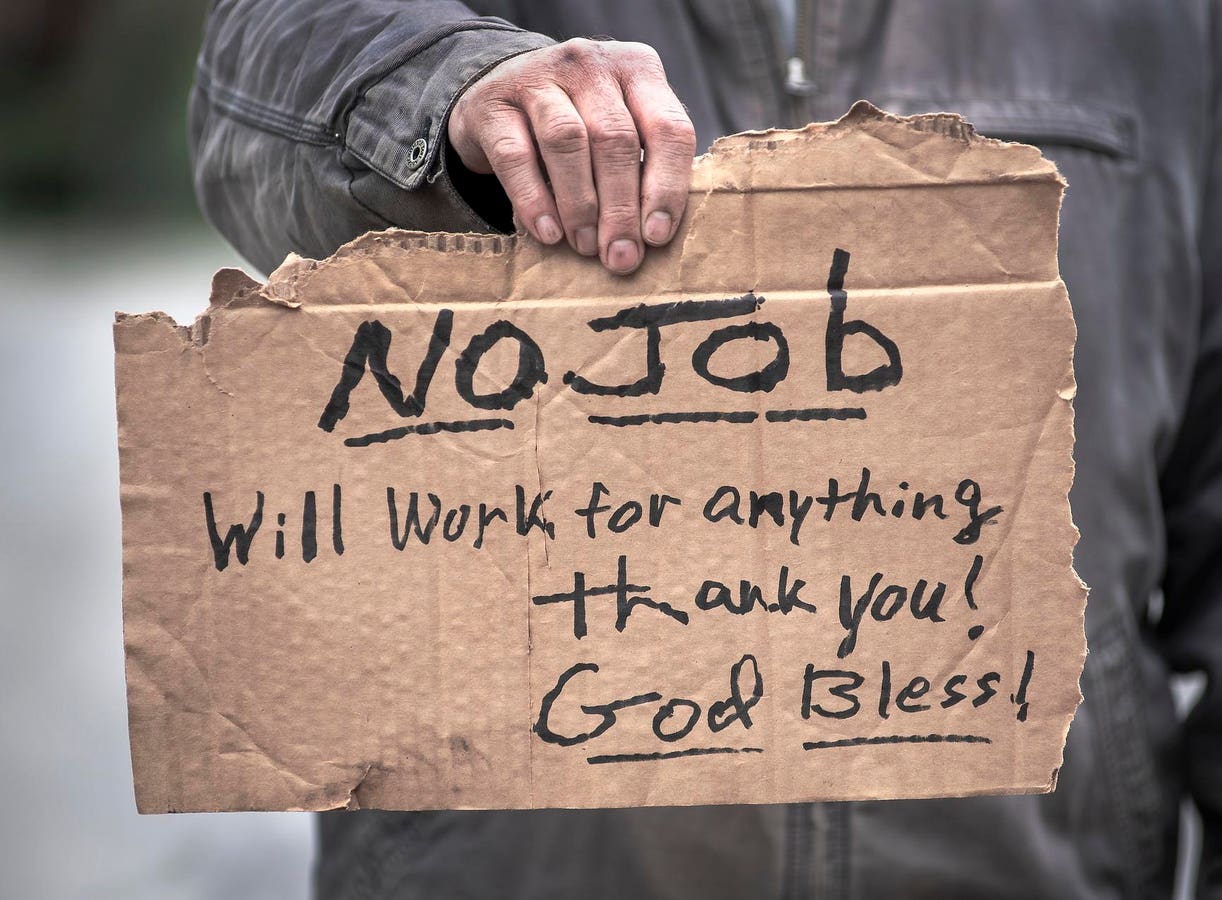
Homelessness in the United States: A Growing Concern
The Highest Homelessness Increases in 2024
According to the 2024 Annual Homelessness Assessment Report, more Americans were living on the streets and in their cars than in 2023, with nearly 772,000 homeless individuals representing an 18% increase. This growth is most pronounced among people in families with children and those aged 55 or older.
Homelessness Among Families with Children and Seniors
The report revealed that nearly all populations reached record levels of homelessness, with the highest marked increases seen among people in families with children, up 39% from the previous year. Close to 150,000 children under the age of 18 experienced homelessness on a single night in 2024, reflecting a 33% increase (or 32,618 more children) over 2023. One in every five people experiencing homelessness was aged 55 or older, with more than 104,000 people experiencing homelessness between the ages of 55 and 64. Another 42,150 people were 65 or older.
Workplace Ageism Contributes to Financial Insecurity
Several factors contributed to the increase of U.S. homelessness, including the lack of affordable housing, inflation, stagnant wages for middle and lower-income earners, and discrimination. Additionally, systemic workplace ageism increases housing insecurity and employment for older workers pushed out of the workplace. A 2022 study by the National Bureau of Economic Research revealed workplace age discrimination as a leading indicator of financial instability and heightened poverty risk.
Addressing Homelessness in the New Administration
The U.S. Department of Housing and Urban Development (HUD) plays a crucial role in addressing homelessness, from funding shelters and outreach to providing low-income families with affordable housing and ensuring compliance with the Fair Housing Act. The U.S. Interagency Council on Homelessness (USICH) works with HUD and coordinates across 19 different government departments and programs to end homelessness. The agency published a detailed strategy in September 2024 outlining interagency actions to reduce and prevent homelessness. Workforce collaborations are viewed as foundational in strengthening financial well-being and housing stability through economic advancement and, ultimately, lessening the risk of homelessness.
Challenges Ahead
The potential impact of this strategic plan may not be realized, as USICH Executive Director Jeff Olivet resigned in December ahead of the new administration. A replacement has not been nominated. President Trump nominated Scott Turner to lead HUD, who served in his first administration as the executive director of the White House Opportunity and Revitalization Council. In his confirmation hearing, Turner did not share specific strategies for addressing the homeless issue, but he did acknowledge the most recent homeless data and stated his preference for tying work requirements to HUD housing programs.
Conclusion
Homelessness is a growing concern in the United States, with record numbers of people experiencing homelessness, particularly among families with children and seniors. Addressing this issue requires a comprehensive approach, including affordable housing, job opportunities, and social services. The new administration must prioritize creating a society that values the well-being and dignity of all individuals, regardless of age or socioeconomic status.
Frequently Asked Questions
Q: What is the main cause of homelessness in the United States?
A: The main causes of homelessness in the United States are the lack of affordable housing, inflation, stagnant wages for middle and lower-income earners, and discrimination.
Q: Who is most affected by homelessness?
A: People in families with children and those aged 55 or older are most affected by homelessness, with record numbers of children under the age of 18 experiencing homelessness and one in every five people experiencing homelessness being aged 55 or older.
Q: What is the role of the U.S. Department of Housing and Urban Development (HUD) in addressing homelessness?
A: HUD plays a crucial role in addressing homelessness, from funding shelters and outreach to providing low-income families with affordable housing and ensuring compliance with the Fair Housing Act.
Q: What is the U.S. Interagency Council on Homelessness (USICH), and what is its role in addressing homelessness?
A: USICH works with HUD and coordinates across 19 different government departments and programs to end homelessness, publishing a detailed strategy in September 2024 outlining interagency actions to reduce and prevent homelessness.




Community Mentorship Programs Help Strengthen Local Workforce and Social Impact

Low-Code Platforms are Changing How Businesses Build Internal Technology

Microlearning in Employee Training: A Practical Approach to Workplace Skill Development

Decision-Making Frameworks Improve Strategic Leadership and Organizational Clarity

Career Ladder Programs Strengthen Workforce Development and Employee Retention

Workplace Recognition Programs Improve Organizational Culture and Employee Engagement

Why Mental Endurance is Essential for Workplace Resilience

What Informational Interviews are and Why they Matter

How Emotional Intelligence Can Help You Manage Stress and Build Resilience

Interview with Dr. Kristy K. Taylor, WORxK Global News Magazine Founder

Sarah Herrlinger Talks AirPods Pro Hearing Aid

NetWork Your Way to Success: Top Tips for Maximizing Your Professional Network

Unlocking Human Potential: Kim Groshek’s Journey to Transforming Leadership and Stress Resilience

The Power of Belonging: Why Feeling Accepted Matters in the Workplace

Health-care stocks fall after Warren PBM bill, Brian Thompson shooting

Glenda Benevides: Creating Global Impact Through Music
-
 Resiliency7 months ago
How Emotional Intelligence Can Help You Manage Stress and Build Resilience
-
 Career Advice1 year ago
Interview with Dr. Kristy K. Taylor, WORxK Global News Magazine Founder
-
 Diversity and Inclusion (DEIA)1 year ago
Sarah Herrlinger Talks AirPods Pro Hearing Aid
-
 Career Advice1 year ago
NetWork Your Way to Success: Top Tips for Maximizing Your Professional Network
-
 Changemaker Interviews1 year ago
Unlocking Human Potential: Kim Groshek’s Journey to Transforming Leadership and Stress Resilience
-
 Diversity and Inclusion (DEIA)1 year ago
The Power of Belonging: Why Feeling Accepted Matters in the Workplace
-
 Global Trends and Politics1 year ago
Health-care stocks fall after Warren PBM bill, Brian Thompson shooting
-
 Changemaker Interviews12 months ago
Glenda Benevides: Creating Global Impact Through Music