
Global Trends and Politics
How a string of bad loans has bank investors hunting for hidden risks

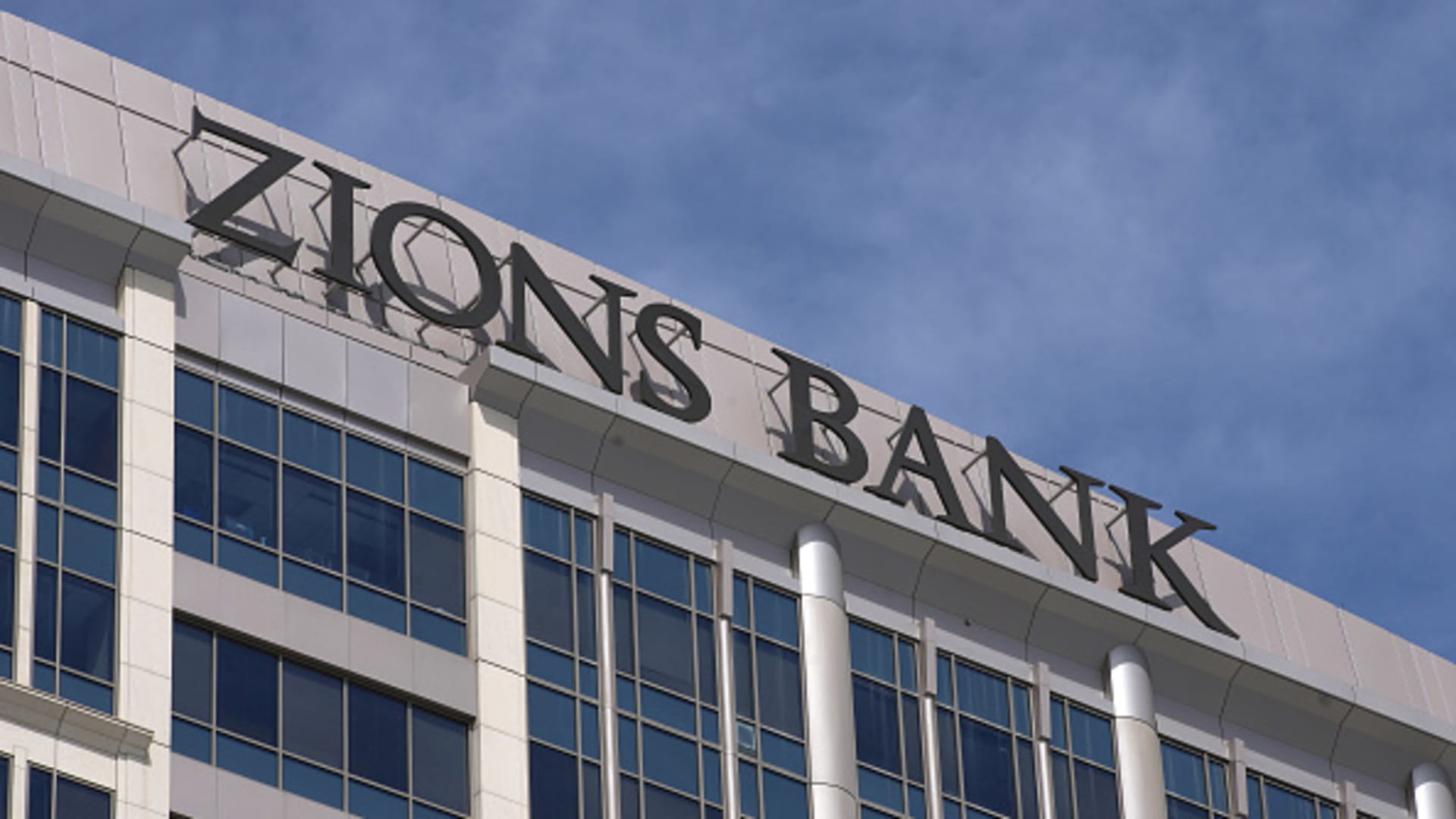
A sudden and deep selloff among regional banks has sent shockwaves through the global finance sector, drawing comparisons to the 2023 banking crisis that led to the collapse of Silicon Valley Bank and First Republic. The concerns stem from a specific type of lending made by banks to non-depository financial institutions, or NDFIs. Recently, regional bank Zions disclosed a near-total wipeout on $60 million in loans due to “apparent misrepresentations” from the borrowers, while peer Western Alliance sued the same borrower, a commercial real estate firm called the Cantor Group, for alleged fraud.
The incident has raised concerns over credit quality, which had been simmering for weeks after the September collapse of two U.S. auto-related companies. JPMorgan, the biggest U.S. bank by assets, reported a $170 million loss tied to one of them, the subprime auto lender Tricolor. According to Truist banking analyst Brian Foran, the alleged fraud around loans made to NDFIs has jolted investors into fearing the worst. JPMorgan CEO Jamie Dimon warned, “When you see one cockroach, there are probably more. Everyone should be forewarned on this one.”
Understanding NDFIs
NDFIs are non-bank lenders that have risen in number since the 2008 financial crisis, when regulations discouraged regulated banks from making certain types of loans. As a result, banks have been lending to these non-bank lenders, with commercial loans to NDFIs reaching $1.14 trillion as of March, according to the Federal Reserve Bank of St. Louis. This category of loans has been growing rapidly, with a 26% annual increase since 2012. However, the surge in NDFI lending has also raised concerns, as banks may not have a clear understanding of the risks involved.
According to Foran, “The surge in NDFI lending was really because all these different regulations added up to say there are a bunch of loans banks can’t do anymore, but if they lend to someone else who does them, that’s OK.” However, this lack of transparency has led to concerns, with Foran noting, “We really don’t know much about these NDFI books. People are saying, ‘I didn’t know it was so easy for a bank to think they had $50 million in collateral and find out they had zero.'” The complexity of NDFI lending has made it challenging for investors to assess the risks, leading to a sudden selloff among regional banks.
Assessing the Risks
The recent incidents have highlighted the potential risks associated with NDFI lending. KBW bank analyst Catherine Mealor noted that NDFI lending typically has a higher loss rate, and the losses can come quickly and unexpectedly. Mealor added that investors have been inundating her with questions about the level of NDFI exposures in her coverage universe, with firms like Western Alliance and Axos Financial having a high proportion of NDFI loans. While Mealor believes this week’s stock selloff was an “overreaction,” she advises investors to exercise caution and avoid companies with high NDFI exposures.
Despite the concerns, regional banks are benefiting from an improving interest rate environment and rising mergers activity, which underpin valuations. Mealor noted that there are plenty of high-quality companies in the sector that are trading at a massive discount. As the situation continues to unfold, investors will be closely watching the developments in the NDFI lending space, seeking to understand the risks and opportunities involved. With the global finance sector still reeling from the 2023 banking crisis, the recent incidents serve as a reminder of the importance of prudent risk management and transparency in the banking sector.


Community Mentorship Programs Help Strengthen Local Workforce and Social Impact

Low-Code Platforms are Changing How Businesses Build Internal Technology

Microlearning in Employee Training: A Practical Approach to Workplace Skill Development

Decision-Making Frameworks Improve Strategic Leadership and Organizational Clarity

Career Ladder Programs Strengthen Workforce Development and Employee Retention

Workplace Recognition Programs Improve Organizational Culture and Employee Engagement

Why Mental Endurance is Essential for Workplace Resilience

What Informational Interviews are and Why they Matter

How Emotional Intelligence Can Help You Manage Stress and Build Resilience

Interview with Dr. Kristy K. Taylor, WORxK Global News Magazine Founder

Sarah Herrlinger Talks AirPods Pro Hearing Aid

NetWork Your Way to Success: Top Tips for Maximizing Your Professional Network

Unlocking Human Potential: Kim Groshek’s Journey to Transforming Leadership and Stress Resilience

The Power of Belonging: Why Feeling Accepted Matters in the Workplace

Health-care stocks fall after Warren PBM bill, Brian Thompson shooting

Glenda Benevides: Creating Global Impact Through Music
-
 Resiliency7 months ago
How Emotional Intelligence Can Help You Manage Stress and Build Resilience
-
 Career Advice1 year ago
Interview with Dr. Kristy K. Taylor, WORxK Global News Magazine Founder
-
 Diversity and Inclusion (DEIA)1 year ago
Sarah Herrlinger Talks AirPods Pro Hearing Aid
-
 Career Advice1 year ago
NetWork Your Way to Success: Top Tips for Maximizing Your Professional Network
-
 Changemaker Interviews1 year ago
Unlocking Human Potential: Kim Groshek’s Journey to Transforming Leadership and Stress Resilience
-
 Diversity and Inclusion (DEIA)1 year ago
The Power of Belonging: Why Feeling Accepted Matters in the Workplace
-
 Global Trends and Politics1 year ago
Health-care stocks fall after Warren PBM bill, Brian Thompson shooting
-
 Changemaker Interviews12 months ago
Glenda Benevides: Creating Global Impact Through Music