
Diversity and Inclusion (DEIA)
How Neurodiversity is Expanding the Definition of Workplace Diversity

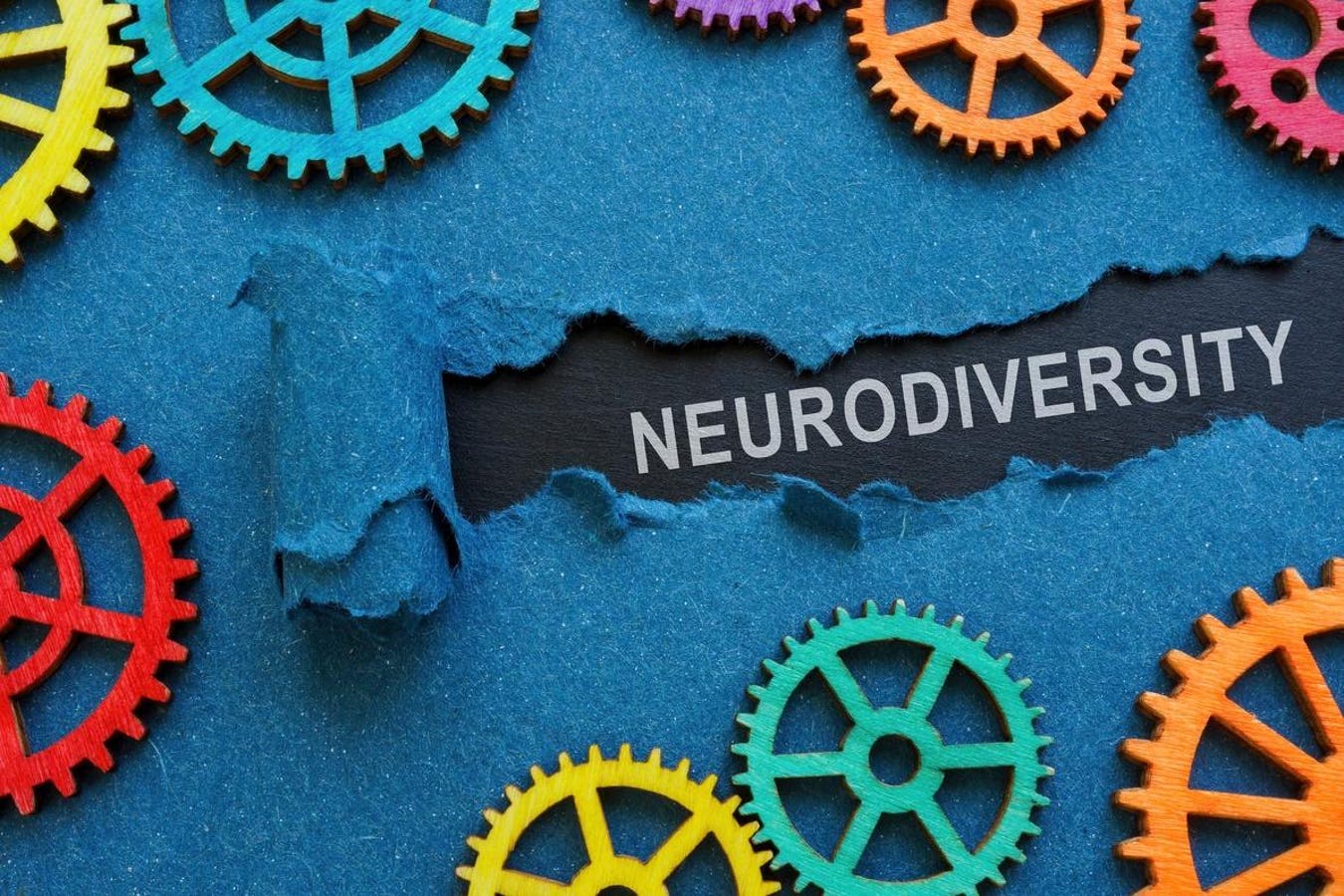
For years, diversity in the workplace has primarily focused on race, gender, and ethnicity. While these dimensions are essential, a broader conversation is now reshaping how organizations view inclusion—one that recognizes and celebrates the differences in how people think, learn, and process the world. This shift is called neurodiversity, and it’s expanding the definition of workplace diversity in transformative ways.
Understanding Neurodiversity
Neurodiversity refers to the natural variation in how human brains function. It recognizes that neurological differences such as autism, ADHD, dyslexia, dyspraxia, and other cognitive profiles are not deficits to be “fixed” but unique ways of experiencing and interacting with the world. Coined in the late 1990s by sociologist Judy Singer, the term challenges the traditional medical model that often pathologized these differences.
In a neurodiverse workforce, people bring a wide spectrum of skills—creativity, analytical thinking, attention to detail, pattern recognition, problem-solving, and innovation. The goal isn’t to accommodate these individuals out of obligation; it’s to appreciate that diverse minds drive better results, stronger collaboration, and richer innovation.
The Business Case for Neurodiversity
Forward-thinking companies are realizing that embracing neurodiversity isn’t just an ethical imperative—it’s a competitive advantage. According to research from Deloitte and Harvard Business Review, neurodiverse teams are often 30% more productive in specific roles like engineering, analytics, and design. They also tend to outperform neurotypical teams in creative problem-solving because they approach challenges from unconventional angles.
Microsoft, SAP, and JPMorgan Chase are among the global leaders actively hiring and supporting neurodivergent employees. SAP’s Autism at Work program, for example, reports measurable improvements in innovation and employee engagement since its launch. By designing hiring processes and workplace cultures that are more inclusive of different cognitive styles, these companies are unlocking hidden potential within the talent market.
When organizations embrace neurodiversity, they expand what “qualified” looks like. Traditional recruitment processes—like fast-paced interviews or social-heavy networking—often unintentionally exclude neurodivergent candidates who thrive in structured, written, or skill-based assessments. By widening access, companies are not lowering standards; they’re redefining them.
Shifting from Awareness to Acceptance
Many organizations have moved from being “aware” of neurodiversity to actively creating inclusive environments where neurodivergent professionals can thrive. Awareness is understanding what neurodiversity is; acceptance is changing systems and mindsets to make inclusion real.
This means rethinking performance metrics, communication norms, and leadership styles. For example, clear communication, written instructions, and flexible work environments help everyone—not just neurodivergent individuals—perform better. Acceptance also means leaders must challenge biases about what professionalism or collaboration should “look like.”
Instead of expecting people to conform to one “ideal” work style, inclusive leaders ask, “What does this person need to do their best work?” That question alone transforms culture.
Rethinking the Employee Experience
Building a neuroinclusive workplace requires more than policy—it demands intentional design. Organizations can start by evaluating every stage of the employee journey:
Recruitment: Replace open-ended interviews with structured questions, allow written responses, or include skills-based assessments. Offer interview questions in advance when possible to reduce anxiety and create equity.
Onboarding: Provide detailed schedules, visual guides, and clear expectations during the first weeks. Small steps like offering a quiet workspace or sensory-friendly environment can make a big difference.
Team Collaboration: Train managers and teams on communication preferences. Some employees may prefer written feedback over verbal input; others may benefit from scheduled check-ins rather than spontaneous conversations.
Career Development: Ensure neurodivergent employees have equal access to mentorship, promotion, and leadership opportunities. Traditional leadership pathways often favor extroverted, outspoken personalities, overlooking quieter but equally capable innovators.
By reimagining these touchpoints, organizations demonstrate that inclusion isn’t about accommodation—it’s about belonging.
Leadership’s Role in Neuroinclusive Cultures
Leaders set the tone for inclusion. A neuroinclusive leader recognizes that diversity of thought is not just a buzzword—it’s the foundation of innovation. Leadership training should include education on cognitive diversity, bias reduction, and psychological safety.
Psychological safety—the confidence that one can express ideas, mistakes, or differences without fear of judgment—is crucial for neurodiverse teams. When people feel safe to show up authentically, they engage more deeply and perform better.
Leaders can also serve as advocates by highlighting neurodiverse voices in company initiatives, employee resource groups, or innovation projects. Representation matters. Seeing a neurodivergent colleague thrive in a leadership role signals to others that their differences are not barriers but assets.
Building the Future of Inclusive Work
The future of diversity is intersectional—and neurodiversity is a vital part of that evolution. By recognizing that thinking differently is just as valuable as looking different, organizations create spaces where all employees can contribute fully.
Expanding the definition of diversity means moving from inclusion as an initiative to inclusion as a mindset. It means designing workplaces where authenticity, adaptability, and empathy are the norm.
When neurodiversity is truly embraced, it doesn’t just change how we hire—it changes how we lead, collaborate, and innovate. It transforms the workplace into what it was always meant to be: a place where every brain can thrive.


Community Mentorship Programs Help Strengthen Local Workforce and Social Impact

Low-Code Platforms are Changing How Businesses Build Internal Technology

Microlearning in Employee Training: A Practical Approach to Workplace Skill Development

Decision-Making Frameworks Improve Strategic Leadership and Organizational Clarity

Career Ladder Programs Strengthen Workforce Development and Employee Retention

Workplace Recognition Programs Improve Organizational Culture and Employee Engagement

Why Mental Endurance is Essential for Workplace Resilience

What Informational Interviews are and Why they Matter

How Emotional Intelligence Can Help You Manage Stress and Build Resilience

Interview with Dr. Kristy K. Taylor, WORxK Global News Magazine Founder

Sarah Herrlinger Talks AirPods Pro Hearing Aid

NetWork Your Way to Success: Top Tips for Maximizing Your Professional Network

Unlocking Human Potential: Kim Groshek’s Journey to Transforming Leadership and Stress Resilience

The Power of Belonging: Why Feeling Accepted Matters in the Workplace

Health-care stocks fall after Warren PBM bill, Brian Thompson shooting

Glenda Benevides: Creating Global Impact Through Music
-
 Resiliency7 months ago
How Emotional Intelligence Can Help You Manage Stress and Build Resilience
-
 Career Advice1 year ago
Interview with Dr. Kristy K. Taylor, WORxK Global News Magazine Founder
-
 Diversity and Inclusion (DEIA)1 year ago
Sarah Herrlinger Talks AirPods Pro Hearing Aid
-
 Career Advice1 year ago
NetWork Your Way to Success: Top Tips for Maximizing Your Professional Network
-
 Changemaker Interviews1 year ago
Unlocking Human Potential: Kim Groshek’s Journey to Transforming Leadership and Stress Resilience
-
 Diversity and Inclusion (DEIA)1 year ago
The Power of Belonging: Why Feeling Accepted Matters in the Workplace
-
 Global Trends and Politics1 year ago
Health-care stocks fall after Warren PBM bill, Brian Thompson shooting
-
 Changemaker Interviews12 months ago
Glenda Benevides: Creating Global Impact Through Music