
Global Trends and Politics
How to avoid buying fake products on online marketplaces

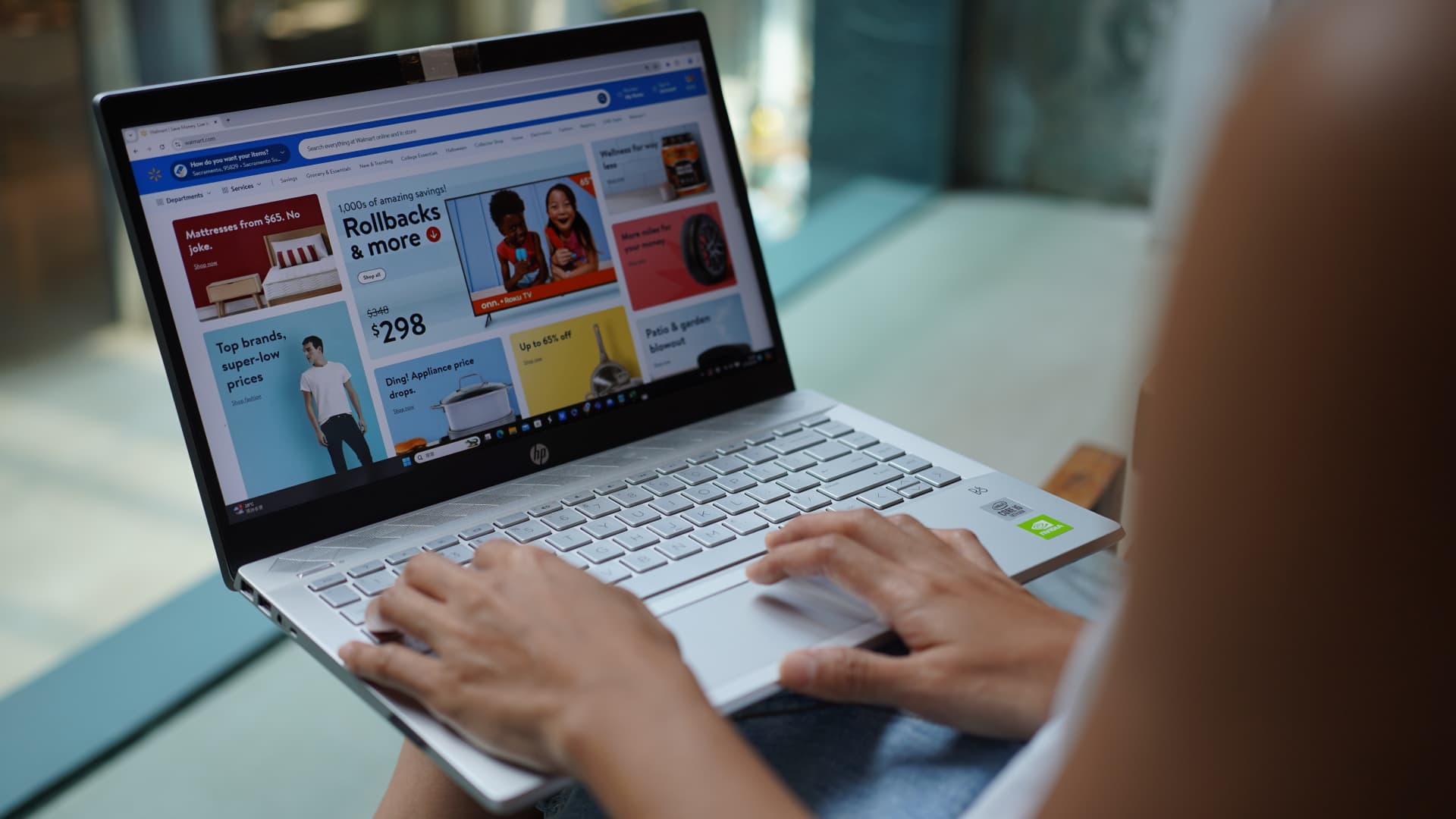
The rise of online marketplaces has transformed the way we shop, with many consumers prioritizing convenience and value over brand loyalty. However, this shift has also led to an increase in counterfeit products being sold online, posing a significant risk to consumers who may inadvertently purchase fake goods. According to experts, the ease of online shopping and selling has contributed to the growth of counterfeits, making it essential for consumers to be cautious when buying from third-party sellers.
A recent investigation by CNBC into Walmart’s marketplace uncovered dozens of third-party sellers who had stolen the identity of another business, with some offering fake health and beauty products. In response, Walmart tightened its vetting process for some products and sellers, emphasizing its “zero-tolerance policy for prohibited or noncompliant products.” This incident highlights the need for consumers to be vigilant when shopping online and to take steps to verify the authenticity of products and sellers.
Understanding the Risks of Counterfeit Products
Counterfeit products have been a longstanding issue in third-party marketplaces, but the scale of the problem is difficult to quantify. While online marketplaces have implemented policies to crack down on fakes, the nature of these platforms makes it challenging to eradicate counterfeits entirely. Megan Carpenter, dean and professor of intellectual property law at the University of New Hampshire’s Franklin Pierce School of Law, advises consumers to be “very careful” when shopping online to avoid inadvertently purchasing fake products.
Carpenter emphasizes that buying from sellers, distributors, and manufacturers from all over the world with the push of a button increases the risk of encountering counterfeit products. She warns that purchasing fakes can have significant safety and danger implications, particularly when it comes to health and beauty items that are used on or in the body. To mitigate these risks, consumers must take a proactive approach to researching sellers and products before making a purchase.
Researching Sellers and Products
When shopping on online marketplaces, consumers should prioritize buying directly from the brand or authorized distributors to ensure they receive genuine products. If the seller is not the brand, consumers should research the business to verify its legitimacy. The Inform Consumers Act, which took effect in 2023, requires platforms to publish seller information, making it easier for consumers to make informed decisions.
Consumers can check the seller’s page for clues, such as their business address, phone number, and catalog of items. They should also read reviews from other shoppers to identify any red flags, such as reports of fake products. Additionally, consumers can perform a quick Google search to determine if the seller is an authorized distributor of the product. Many brands publish information about resellers on their websites, providing consumers with a valuable resource for verification.
Evaluating Price and Packaging
When shopping online, consumers should be wary of prices that seem too good to be true. If a luxury beauty cream is being sold at a 91% discount, it may be a counterfeit product. Saleem Alhabash, associate director of research at Michigan State’s Center for Anti-Counterfeiting and Product Protection, notes that counterfeiters often use price as a hook to lure consumers into buying fake products.
Consumers should also examine the product’s packaging for any signs of counterfeiting, such as typos or inconsistencies in design. If the packaging looks different from what is typically sold in stores, consumers should contact the brand to verify its authenticity. By taking these precautions, consumers can reduce the risk of purchasing counterfeit products and ensure a safe and satisfactory shopping experience.
What to Do If You Buy a Fake Product
If a consumer suspects they have purchased a counterfeit product, they should stop using it immediately and report it to the platform they purchased it from. Kari Kammel, director of the Center for Anti-Counterfeiting and Product Protection at Michigan State University, advises consumers to take several steps, including seeking medical attention if they have had a physical reaction to the product, reporting it to a government office, and documenting the seller’s information and transaction details.
Consumers should also consider reporting the incident to the brand, providing them with valuable information to help prevent future counterfeiting. By taking these steps, consumers can help protect themselves and others from the risks associated with counterfeit products, while also promoting a safer and more trustworthy online shopping environment.


Community Mentorship Programs Help Strengthen Local Workforce and Social Impact

Low-Code Platforms are Changing How Businesses Build Internal Technology

Microlearning in Employee Training: A Practical Approach to Workplace Skill Development

Decision-Making Frameworks Improve Strategic Leadership and Organizational Clarity

Career Ladder Programs Strengthen Workforce Development and Employee Retention

Workplace Recognition Programs Improve Organizational Culture and Employee Engagement

Why Mental Endurance is Essential for Workplace Resilience

What Informational Interviews are and Why they Matter

How Emotional Intelligence Can Help You Manage Stress and Build Resilience

Interview with Dr. Kristy K. Taylor, WORxK Global News Magazine Founder

Sarah Herrlinger Talks AirPods Pro Hearing Aid

NetWork Your Way to Success: Top Tips for Maximizing Your Professional Network

Unlocking Human Potential: Kim Groshek’s Journey to Transforming Leadership and Stress Resilience

The Power of Belonging: Why Feeling Accepted Matters in the Workplace

Health-care stocks fall after Warren PBM bill, Brian Thompson shooting

Glenda Benevides: Creating Global Impact Through Music
-
 Resiliency7 months ago
How Emotional Intelligence Can Help You Manage Stress and Build Resilience
-
 Career Advice1 year ago
Interview with Dr. Kristy K. Taylor, WORxK Global News Magazine Founder
-
 Diversity and Inclusion (DEIA)1 year ago
Sarah Herrlinger Talks AirPods Pro Hearing Aid
-
 Career Advice1 year ago
NetWork Your Way to Success: Top Tips for Maximizing Your Professional Network
-
 Changemaker Interviews1 year ago
Unlocking Human Potential: Kim Groshek’s Journey to Transforming Leadership and Stress Resilience
-
 Diversity and Inclusion (DEIA)1 year ago
The Power of Belonging: Why Feeling Accepted Matters in the Workplace
-
 Global Trends and Politics1 year ago
Health-care stocks fall after Warren PBM bill, Brian Thompson shooting
-
 Changemaker Interviews12 months ago
Glenda Benevides: Creating Global Impact Through Music