
Organizational Culture
How to Strengthen Company Culture in a Remote Work Era

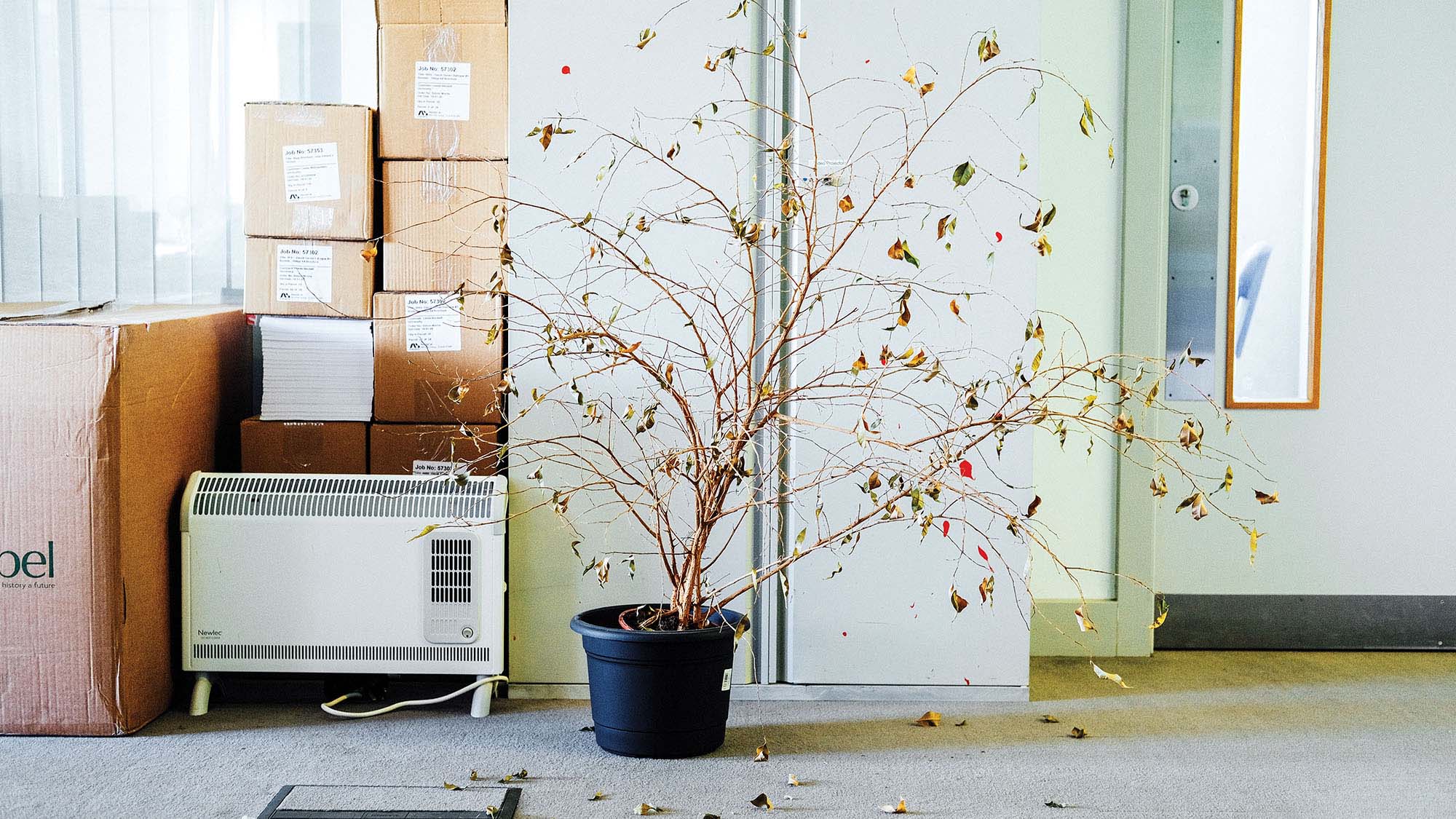
Over the past year, organizations large and small have been forcing their employees to return to the office for the entire workweek. They are responding to growing evidence that remote and hybrid arrangements result in lower worker performance. But many companies don’t have that option, for several reasons: They no longer have the office space to house all their employees and either can’t quickly expand it or don’t want to spend the money to do so; their employees are now dispersed geographically; or they fear a rebellion by hard-to-replace talent. This article is aimed at enterprises that want to keep remote or hybrid work arrangements, at least for the time being.
The Impact of Remote Work on Collaboration and Culture
Evidence suggests that remote work is hurting collaboration, exacerbating social isolation, and weakening culture. This is a significant challenge for organizations that rely on teamwork and innovation to drive their businesses forward. When employees are not physically present in the office, they can miss out on important conversations, meetings, and social interactions that help to build relationships and trust. Furthermore, remote work can make it difficult for new employees to integrate into the team and for leaders to build a strong, cohesive culture.
Weakening of Company Culture
Company culture is often built on shared experiences, traditions, and values that are developed and reinforced through in-person interactions. When employees are remote, they can feel disconnected from the company culture, which can lead to a sense of disengagement and disloyalty. Moreover, remote work can make it challenging for leaders to communicate the company’s vision, mission, and values in a way that resonates with employees.
Exacerbating Social Isolation
Remote work can also exacerbate social isolation, which is a growing concern in today’s society. When employees are isolated from their colleagues and friends, they can experience feelings of loneliness, depression, and anxiety. This can have serious consequences for their mental and physical health, as well as their productivity and job satisfaction.
Strategies for Fixing the Challenges of Remote Work
Despite the challenges of remote work, there are several strategies that organizations can use to mitigate its negative effects. These include:
Implementing Regular Check-Ins and Virtual Meetings
Regular check-ins and virtual meetings can help to facilitate communication, collaboration, and social interaction among remote employees. These meetings can be used to discuss projects, share ideas, and build relationships. Moreover, they can help to reduce feelings of isolation and disconnection.
Creating Virtual Social Spaces
Creating virtual social spaces, such as online forums, chat rooms, and social media groups, can help to facilitate social interaction and community-building among remote employees. These spaces can be used to share personal updates, ask for advice, and connect with colleagues who share similar interests.
Fostering a Sense of Community and Belonging
Fostering a sense of community and belonging is critical for remote employees who may feel disconnected from the company culture. This can be achieved by creating opportunities for remote employees to connect with each other, such as virtual team-building activities, online mentorship programs, and social events.
Conclusion
In conclusion, while remote work presents several challenges, including hurting collaboration, exacerbating social isolation, and weakening culture, there are several strategies that organizations can use to mitigate its negative effects. By implementing regular check-ins and virtual meetings, creating virtual social spaces, and fostering a sense of community and belonging, organizations can help to build a strong, cohesive culture that supports remote employees. With the right strategies and tools, remote work can be a successful and sustainable way of working that benefits both employees and employers.
FAQs
Q: What are the main challenges of remote work?
A: The main challenges of remote work include hurting collaboration, exacerbating social isolation, and weakening culture.
Q: How can organizations mitigate the negative effects of remote work?
A: Organizations can mitigate the negative effects of remote work by implementing regular check-ins and virtual meetings, creating virtual social spaces, and fostering a sense of community and belonging.
Q: What are the benefits of remote work?
A: The benefits of remote work include increased flexibility, improved work-life balance, and reduced commuting time.
Q: How can remote employees stay connected with their colleagues and build relationships?
A: Remote employees can stay connected with their colleagues and build relationships by participating in virtual meetings, joining online forums and social media groups, and engaging in virtual team-building activities.
Q: What role do leaders play in building a strong company culture in a remote work environment?
A: Leaders play a critical role in building a strong company culture in a remote work environment by communicating the company’s vision, mission, and values, fostering a sense of community and belonging, and providing opportunities for remote employees to connect with each other.




Community Mentorship Programs Help Strengthen Local Workforce and Social Impact

Low-Code Platforms are Changing How Businesses Build Internal Technology

Microlearning in Employee Training: A Practical Approach to Workplace Skill Development

Decision-Making Frameworks Improve Strategic Leadership and Organizational Clarity

Career Ladder Programs Strengthen Workforce Development and Employee Retention

Workplace Recognition Programs Improve Organizational Culture and Employee Engagement

Why Mental Endurance is Essential for Workplace Resilience

What Informational Interviews are and Why they Matter

How Emotional Intelligence Can Help You Manage Stress and Build Resilience

Interview with Dr. Kristy K. Taylor, WORxK Global News Magazine Founder

Sarah Herrlinger Talks AirPods Pro Hearing Aid

NetWork Your Way to Success: Top Tips for Maximizing Your Professional Network

Unlocking Human Potential: Kim Groshek’s Journey to Transforming Leadership and Stress Resilience

The Power of Belonging: Why Feeling Accepted Matters in the Workplace

Health-care stocks fall after Warren PBM bill, Brian Thompson shooting

Glenda Benevides: Creating Global Impact Through Music
-
 Resiliency7 months ago
How Emotional Intelligence Can Help You Manage Stress and Build Resilience
-
 Career Advice1 year ago
Interview with Dr. Kristy K. Taylor, WORxK Global News Magazine Founder
-
 Diversity and Inclusion (DEIA)1 year ago
Sarah Herrlinger Talks AirPods Pro Hearing Aid
-
 Career Advice1 year ago
NetWork Your Way to Success: Top Tips for Maximizing Your Professional Network
-
 Changemaker Interviews1 year ago
Unlocking Human Potential: Kim Groshek’s Journey to Transforming Leadership and Stress Resilience
-
 Diversity and Inclusion (DEIA)1 year ago
The Power of Belonging: Why Feeling Accepted Matters in the Workplace
-
 Global Trends and Politics1 year ago
Health-care stocks fall after Warren PBM bill, Brian Thompson shooting
-
 Changemaker Interviews12 months ago
Glenda Benevides: Creating Global Impact Through Music