
Global Trends and Politics
Hurricane Melissa set to trigger $150 million Jamaica catastrophe bond to help rebuild

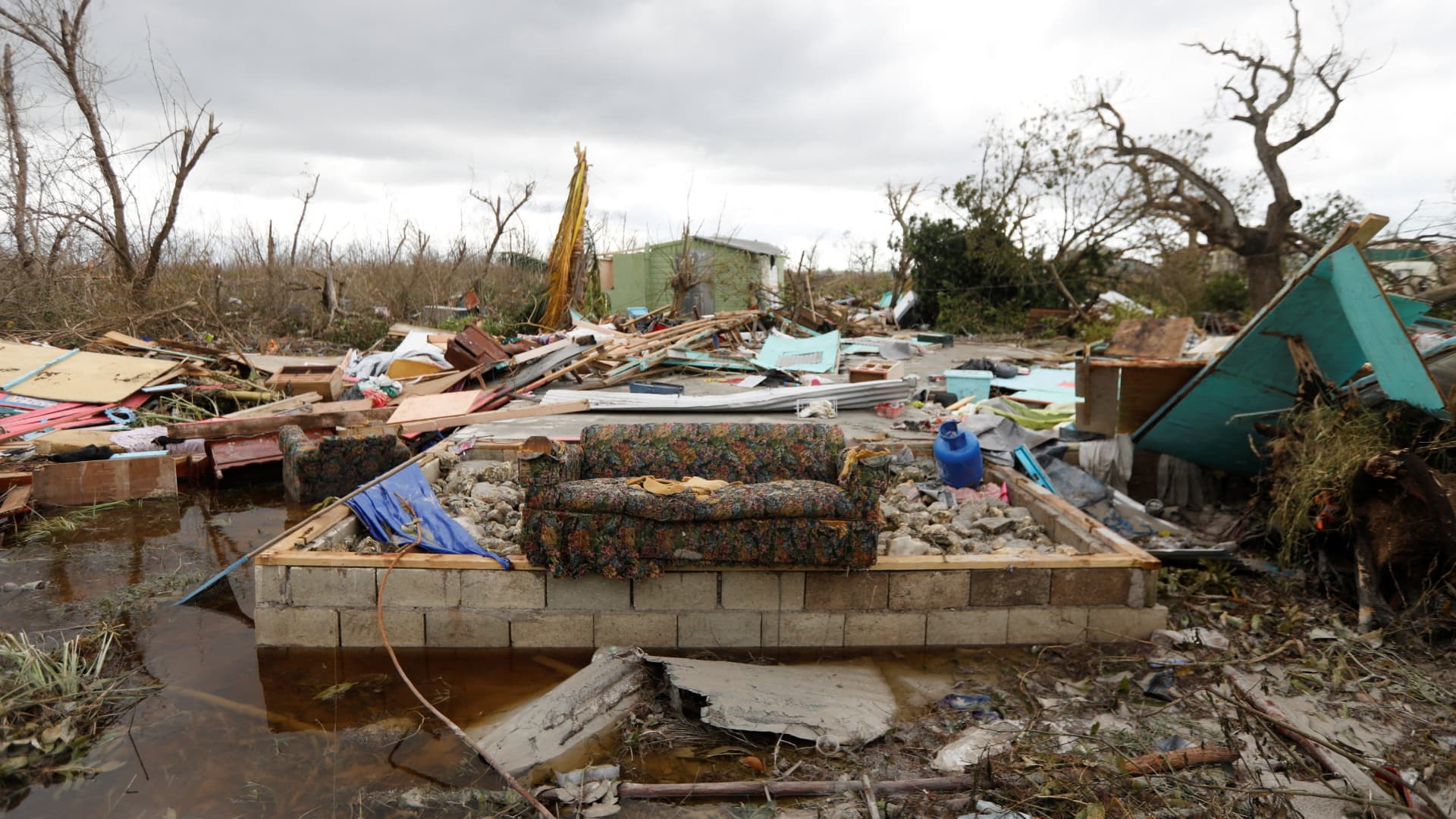
Hurricane Melissa’s Devastation Triggers Payout from Innovative Catastrophe Bond
Hurricane Melissa, the most powerful Atlantic hurricane of the year, made landfall in Jamaica as a Category 5 storm, causing widespread destruction and triggering a payout from a unique catastrophe bond designed to provide funds to the island in the event of catastrophic weather events.
The $150 million catastrophe bond, structured by Aon, is intended to help Jamaica’s people rebuild after natural disasters by providing parametric coverage against losses from named storms. This innovative bond is the first of its kind to be independently sponsored by a government in the Caribbean region, and it demonstrates the value of a private market-funded backstop.
How the Catastrophe Bond Works
To trigger the full payment, the storm must meet specific strength criteria, including a central pressure of 900 millibars or lower as it makes landfall and crosses the island nation. According to early data from the National Hurricane Center, Hurricane Melissa’s pressure stayed below 900 millibars in several areas, and these readings are currently being verified by an independent calculation agent.
The review process typically takes 2 to 3 weeks, and the earliest possible payout to Jamaica could come in approximately 1 month. This is significantly faster than previous parametric transactions, which have taken 3 months or more. Aon used an innovative data source to enable faster payments, and the catastrophe bond was placed using the International Bank for Reconstruction and Development’s “capital at risk” program.
A New Era for Disaster Relief
Catastrophe bonds and insurance-linked securities were created in the mid-1990s in response to Hurricane Andrew’s destruction. Since then, they have grown in popularity, with the cat bond market expanding by over 50% since the end of 2022 to nearly $55 billion. Public-private partnerships like Jamaica’s highlight the potential of parametric insurance to deliver rapid, transparent relief in the wake of severe storms.
Jamaica’s experience with Hurricane Melissa demonstrates the importance of having such mechanisms in place. In 2024, the island narrowly missed the requirements necessary to receive a payout from a separate cat bond when Hurricane Beryl caused $995 million in damages to homes, crops, and infrastructure. The success of this catastrophe bond shows that innovative approaches to disaster relief can make a significant difference in the lives of those affected by natural disasters.


Community Mentorship Programs Help Strengthen Local Workforce and Social Impact

Low-Code Platforms are Changing How Businesses Build Internal Technology

Microlearning in Employee Training: A Practical Approach to Workplace Skill Development

Decision-Making Frameworks Improve Strategic Leadership and Organizational Clarity

Career Ladder Programs Strengthen Workforce Development and Employee Retention

Workplace Recognition Programs Improve Organizational Culture and Employee Engagement

Why Mental Endurance is Essential for Workplace Resilience

What Informational Interviews are and Why they Matter

How Emotional Intelligence Can Help You Manage Stress and Build Resilience

Interview with Dr. Kristy K. Taylor, WORxK Global News Magazine Founder

Sarah Herrlinger Talks AirPods Pro Hearing Aid

NetWork Your Way to Success: Top Tips for Maximizing Your Professional Network

Unlocking Human Potential: Kim Groshek’s Journey to Transforming Leadership and Stress Resilience

The Power of Belonging: Why Feeling Accepted Matters in the Workplace

Health-care stocks fall after Warren PBM bill, Brian Thompson shooting

Glenda Benevides: Creating Global Impact Through Music
-
 Resiliency7 months ago
How Emotional Intelligence Can Help You Manage Stress and Build Resilience
-
 Career Advice1 year ago
Interview with Dr. Kristy K. Taylor, WORxK Global News Magazine Founder
-
 Diversity and Inclusion (DEIA)1 year ago
Sarah Herrlinger Talks AirPods Pro Hearing Aid
-
 Career Advice1 year ago
NetWork Your Way to Success: Top Tips for Maximizing Your Professional Network
-
 Changemaker Interviews1 year ago
Unlocking Human Potential: Kim Groshek’s Journey to Transforming Leadership and Stress Resilience
-
 Diversity and Inclusion (DEIA)1 year ago
The Power of Belonging: Why Feeling Accepted Matters in the Workplace
-
 Global Trends and Politics1 year ago
Health-care stocks fall after Warren PBM bill, Brian Thompson shooting
-
 Changemaker Interviews12 months ago
Glenda Benevides: Creating Global Impact Through Music