
Global Trends and Politics
IMAX stock crushed the theater sector in 2025

The Theatrical Industry’s Shift Towards Premium Experiences
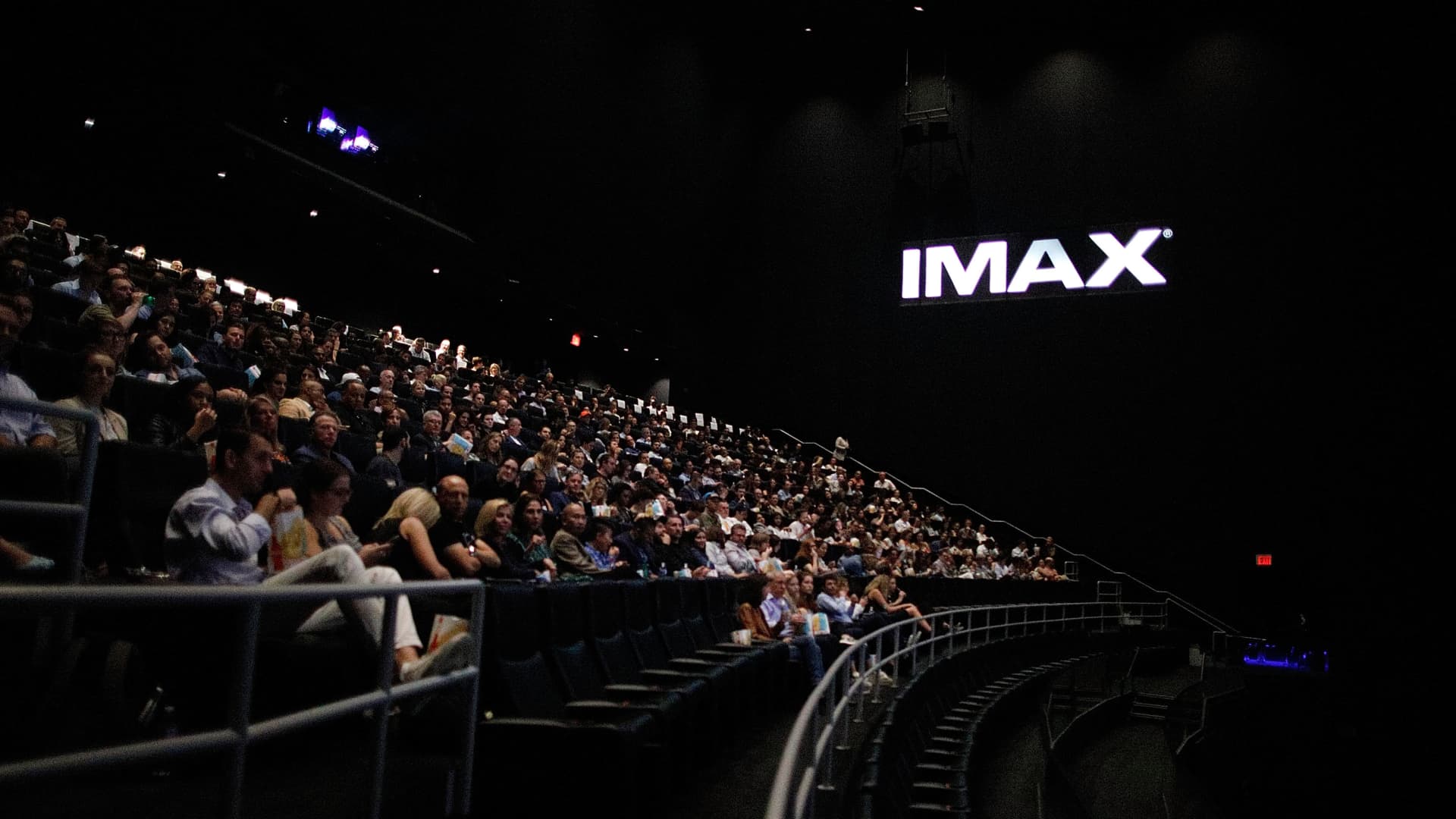
The theatrical industry is undergoing a significant transformation, with one stock standing out from the rest: Imax. In 2025, Imax saw its shares jump by over 44%, driven by a record $1.28 billion in global box office sales, marking a 40% increase from 2024 and 13% higher than its previous record in 2019.
In contrast, fellow theatrical stocks such as AMC, Cinemark, and Marcus Theatres experienced substantial declines in 2025, with AMC down over 60%, Cinemark’s stock falling 25%, and Marcus Corp. slumping around 28%. This disparity can be attributed to the significant changes in the industry, including the rise of streaming services and shifting consumer habits.
Understanding the Industry’s Challenges
Domestic ticket sales have rebounded from the lows seen during the Covid pandemic but remain about 25% below the record-breaking $11.8 billion collected in 2018. The 2025 box office fell short of the $9 billion analysts had projected, signaling potential long-term hurdles for the industry. According to Eric Wold, executive director of equity research at Texas Capital Securities, “In an environment where consumer spending headwinds and economic concerns forced consumers to be choiceful with their entertainment spending, streaming services continue to represent an attractive option.”
Hollywood’s production slate has also been impacted, with fewer films being produced due to Wall Street penny-pinching, studio mergers, and lingering production shutdowns from the pandemic and dual labor strikes. This reduction in the number of movies hitting theaters has left Imax ahead of the pack, as the company benefits from the shift towards premium large format experiences.
Premium Large Format Experiences on the Rise
In 2025, over 16% of tickets sold for domestic showtimes were for premium large format theaters, up from 15% in 2024 and 13.8% in 2023. These premium theaters, often called PLFs, offer an elevated viewing experience with bigger screens, higher-quality sound systems, and seating options, commanding higher ticket prices. General movie tickets averaged $13.29 apiece, while PLF tickets went for around $17.65 each, according to data from EntTelligence.
As Hollywood shifts towards producing more big-budget blockbuster features, PLF screens will become increasingly important. The films that benefit the most from PLF ticket sales have been Hollywood’s biggest releases, with audiences seeking to experience explosive action movies and dazzling spectacles in state-of-the-art locations.
Imax’s Strong Position in the Market
Imax has forecast its 2026 global box office haul at a new record of $1.4 billion, driven by a promising slate of films, including Disney’s “Star Wars: The Mandalorian and Grogu,” Universal and Christopher Nolan’s “The Odyssey,” and Warner Bros. and Denis Villeneuve’s “Dune: Part Three.” All of these films were shot with Imax film cameras and will have theatrical releases on Imax screens.
Rich Gelfond, CEO of Imax, stated, “We see no signs of slowing down given a very promising slate ahead and the consistency of our market share gains, as filmmakers, studios, and audiences worldwide continue to gravitate toward the Imax experience.” As of the end of September, Imax had over 1,700 locations and a backlog of 478 contracts to build Imax screens, representing less than 1% of the total movie screens worldwide.
Competitors’ Efforts to Catch Up
AMC, Cinemark, and Marcus Theatres have also invested in creating more premium large format screens in their cinemas. However, these upgrades can be expensive, and the chains are playing a game of catch-up. Imax’s asset-light business model, which minimizes ownership of physical assets, has worked in its favor, allowing the company to leverage its technology and partner with other companies to install its equipment in auditoriums and take a share of the box office receipts.
In contrast, AMC, Cinemark, and Marcus have the financial burden of rent and utility payments, which are only partially offset by ticket sales split with studios. Concessions have become a crucial means for these businesses to drum up enough funds to cover expenses. However, if the production slate isn’t strong and cinemas don’t have enough content to draw in moviegoers, profitability is at risk.


Community Mentorship Programs Help Strengthen Local Workforce and Social Impact

Low-Code Platforms are Changing How Businesses Build Internal Technology

Microlearning in Employee Training: A Practical Approach to Workplace Skill Development

Decision-Making Frameworks Improve Strategic Leadership and Organizational Clarity

Career Ladder Programs Strengthen Workforce Development and Employee Retention

Workplace Recognition Programs Improve Organizational Culture and Employee Engagement

Why Mental Endurance is Essential for Workplace Resilience

What Informational Interviews are and Why they Matter

How Emotional Intelligence Can Help You Manage Stress and Build Resilience

Interview with Dr. Kristy K. Taylor, WORxK Global News Magazine Founder

Sarah Herrlinger Talks AirPods Pro Hearing Aid

NetWork Your Way to Success: Top Tips for Maximizing Your Professional Network

Unlocking Human Potential: Kim Groshek’s Journey to Transforming Leadership and Stress Resilience

The Power of Belonging: Why Feeling Accepted Matters in the Workplace

Health-care stocks fall after Warren PBM bill, Brian Thompson shooting

Glenda Benevides: Creating Global Impact Through Music
-
 Resiliency7 months ago
How Emotional Intelligence Can Help You Manage Stress and Build Resilience
-
 Career Advice1 year ago
Interview with Dr. Kristy K. Taylor, WORxK Global News Magazine Founder
-
 Diversity and Inclusion (DEIA)1 year ago
Sarah Herrlinger Talks AirPods Pro Hearing Aid
-
 Career Advice1 year ago
NetWork Your Way to Success: Top Tips for Maximizing Your Professional Network
-
 Changemaker Interviews1 year ago
Unlocking Human Potential: Kim Groshek’s Journey to Transforming Leadership and Stress Resilience
-
 Diversity and Inclusion (DEIA)1 year ago
The Power of Belonging: Why Feeling Accepted Matters in the Workplace
-
 Global Trends and Politics1 year ago
Health-care stocks fall after Warren PBM bill, Brian Thompson shooting
-
 Changemaker Interviews12 months ago
Glenda Benevides: Creating Global Impact Through Music