
Innovation and Technology
Immigration Change May Keep More Scientists In The United States

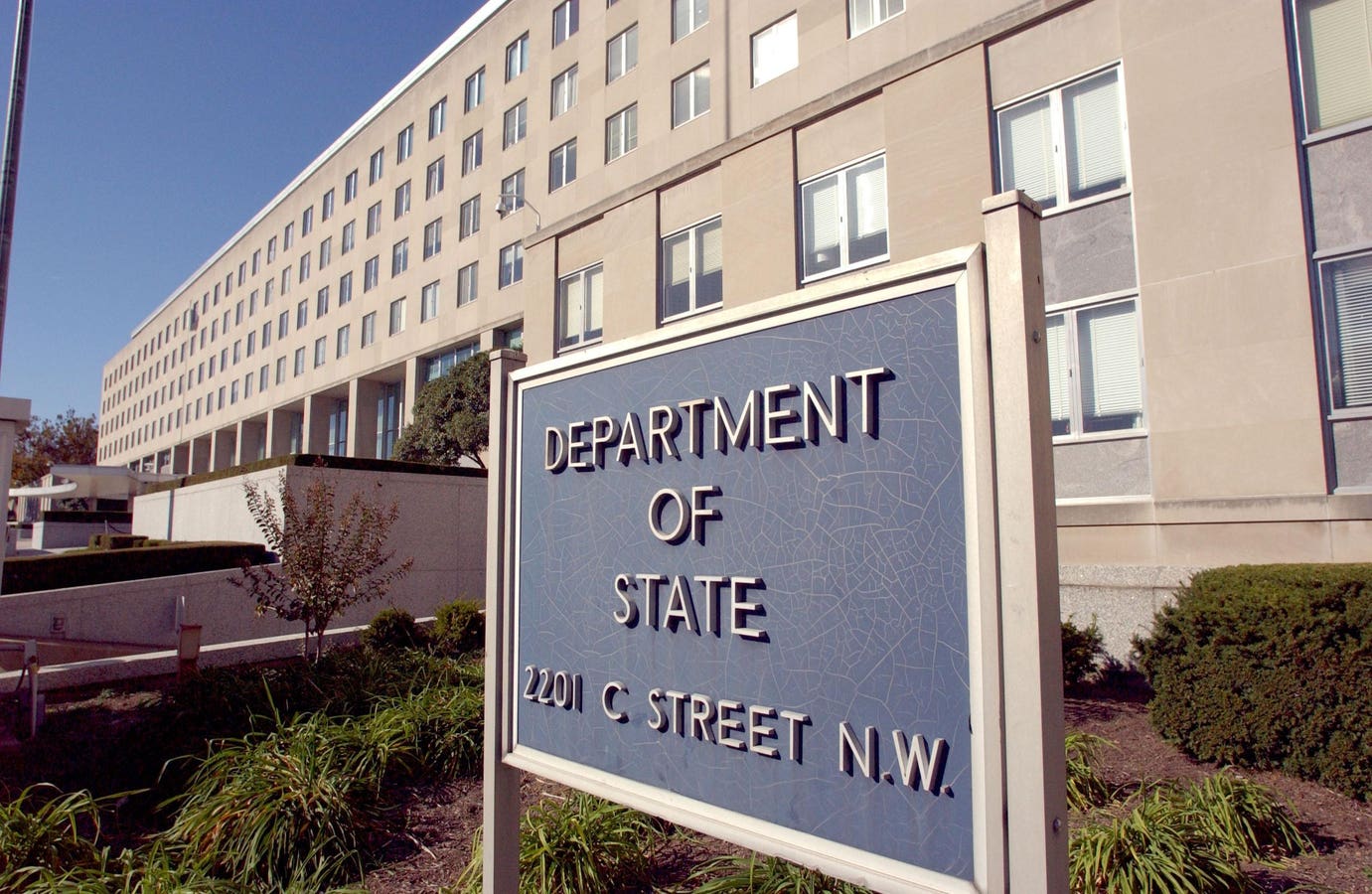
The State Department’s Immigration Change
The State Department’s Update of the J-1 Exchange Visitors Skills List
The U.S. Department of State has published a public notice updating the Exchange Visitors Skills List. The list is used to determine whether an individual who has been admitted into the United States as a ‘J’ nonimmigrant exchange visitor is subject to the two-year foreign residence requirement. The notice does not affect the two-year home residence requirement for foreign physicians who received graduate medical education in J-1 status or individuals whose J-1 program was financed by U.S. government and/or home government funding.
The Impact of the J-1 Change
Steve Plastrik, a senior associate at BAL, notes that the most significant aspects of the J-1 change are that individuals from China and India are no longer on the Skills List and subject to the two-year foreign residence requirement, and that the notice applies retroactively. Under the law, certain J exchange visitors must live two years in their home country after their exchange program ends or obtain a waiver to be eligible for change of status to H or L status, adjust status to become a lawful permanent resident, or receive an H, L, K, or immigrant visa.
Changes for J-1 Visa Holders
J-1 visas are unlike H-1B and L-1 visas, which involve employers filing with the government for a direct employer-employee relationship. For J-1s, an employer or ‘host’ would work with a program ‘sponsor’ organization designated by the State Department to get the foreign national’s DS-2019 issued, which the foreign national uses to obtain a J-1 visa.
Reactions From Employers And Immigration Attorneys
Immigration attorneys say that the State Department announcement has generated interest. “Since word came out on Friday, I am getting many inquiries from companies and universities about this really important development,” said Dan Berger of Green & Spiegel.
Conclusion
The State Department’s decision to update the J-1 Exchange Visitors Skills List may prevent many researchers from being pushed out of the United States due to immigration law. The policy change allows more J-1 researchers, trainees, and others, particularly from India and China, to work in the United States and not be forced to leave the country due to a foreign residence requirement.
FAQs
* What is the J-1 Exchange Visitors Skills List?
The J-1 Exchange Visitors Skills List is a list of countries designated by the Secretary of State as clearly requiring the services of persons engaged in certain fields of specialized knowledge or skills.
* How does the J-1 change affect researchers?
The J-1 change allows more researchers, trainees, and others, particularly from India and China, to work in the United States and not be forced to leave the country due to a foreign residence requirement.
* What is the significance of the notice being retroactive?
The notice being retroactive means that individuals who were previously subject to the two-year foreign residence requirement may now be eligible to apply for H-1B, L-1, or lawful permanent resident status without first satisfying the two-year home residence requirement or obtaining a waiver.




Community Mentorship Programs Help Strengthen Local Workforce and Social Impact

Low-Code Platforms are Changing How Businesses Build Internal Technology

Microlearning in Employee Training: A Practical Approach to Workplace Skill Development

Decision-Making Frameworks Improve Strategic Leadership and Organizational Clarity

Career Ladder Programs Strengthen Workforce Development and Employee Retention

Workplace Recognition Programs Improve Organizational Culture and Employee Engagement

Why Mental Endurance is Essential for Workplace Resilience

What Informational Interviews are and Why they Matter

How Emotional Intelligence Can Help You Manage Stress and Build Resilience

Interview with Dr. Kristy K. Taylor, WORxK Global News Magazine Founder

Sarah Herrlinger Talks AirPods Pro Hearing Aid

NetWork Your Way to Success: Top Tips for Maximizing Your Professional Network

Unlocking Human Potential: Kim Groshek’s Journey to Transforming Leadership and Stress Resilience

The Power of Belonging: Why Feeling Accepted Matters in the Workplace

Health-care stocks fall after Warren PBM bill, Brian Thompson shooting

Glenda Benevides: Creating Global Impact Through Music
-
 Resiliency7 months ago
How Emotional Intelligence Can Help You Manage Stress and Build Resilience
-
 Career Advice1 year ago
Interview with Dr. Kristy K. Taylor, WORxK Global News Magazine Founder
-
 Diversity and Inclusion (DEIA)1 year ago
Sarah Herrlinger Talks AirPods Pro Hearing Aid
-
 Career Advice1 year ago
NetWork Your Way to Success: Top Tips for Maximizing Your Professional Network
-
 Changemaker Interviews1 year ago
Unlocking Human Potential: Kim Groshek’s Journey to Transforming Leadership and Stress Resilience
-
 Diversity and Inclusion (DEIA)1 year ago
The Power of Belonging: Why Feeling Accepted Matters in the Workplace
-
 Global Trends and Politics1 year ago
Health-care stocks fall after Warren PBM bill, Brian Thompson shooting
-
 Changemaker Interviews12 months ago
Glenda Benevides: Creating Global Impact Through Music