
Global Trends and Politics
Impacts on commercial real estate

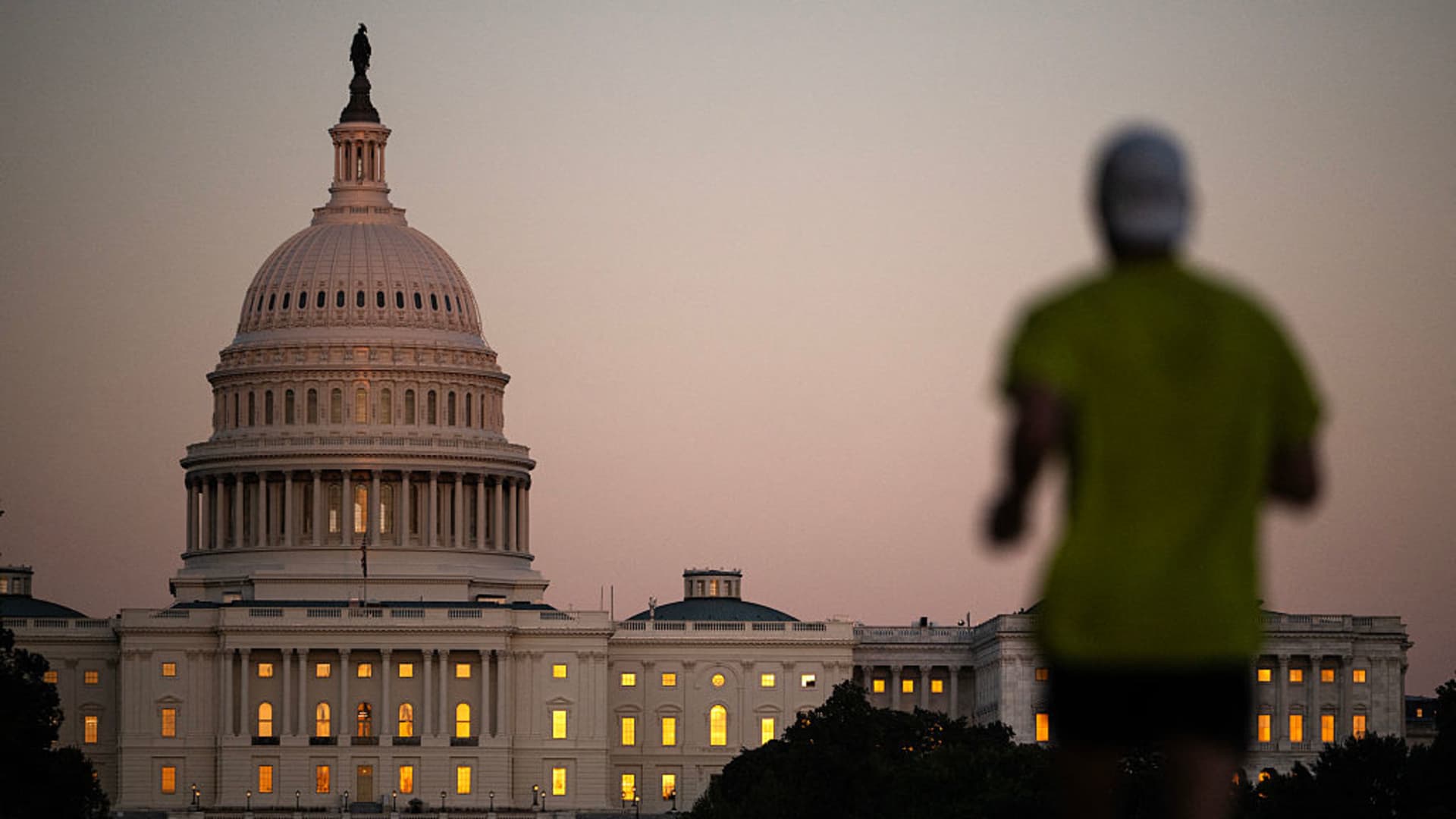
The recent US federal government shutdown has significant implications for the real estate market, particularly in the commercial sector. While the immediate effects on residential sales are well-documented, the impact on commercial real estate is more far-reaching and complex. A government shutdown can delay the release of crucial economic data, causing uncertainty in financial markets and affecting commercial real estate deal-making, especially for small businesses.
Impact on Commercial Real Estate
The Commercial Real Estate Alliance (CREA) has outlined several potential ramifications of a government shutdown on the commercial real estate market. These include reduced demand for commercial properties as businesses and government agencies delay or cancel leasing and development projects. Additionally, investors and developers may face greater difficulty in obtaining financing and conducting transactions due to uncertainty and market volatility. The shutdown can also lead to delayed approvals of permits and other government sign-offs necessary for commercial real estate development projects.
Economic Data and Market Uncertainty
The government shutdown has already resulted in the delay of the September monthly employment report from the Bureau of Labor Statistics. This lack of data can affect investors who rely on such information to make decisions about the state of the economy and interest rates. If the shutdown continues, the Census Bureau may not release economic data on construction spending, housing starts, and building permits, which are essential for multifamily investors. Market uncertainty can lead to tighter credit from lenders and potentially higher risk premiums on deals, especially those involving federal programs.
CRE Finance and Investor Confidence
According to Ran Eliasaf, founder and managing partner of Northwind Group, a real estate private equity and debt fund manager, investors and lenders look for stability, and political instability can create caution about making investment decisions and lending. The biggest risk to underwrite is political risk, which can affect not only federal-level decisions but also local ones, such as the New York City mayoral election. This uncertainty can impact investor confidence and lead to a decrease in commercial real estate deal-making.
Retail, Hospitality, and Senior Housing Sectors
Certain sectors, such as retail and hospitality, will feel the impact of the government shutdown more quickly due to their reliance on consumer spending. With federal workers being furloughed or laid off, consumer spending in areas with a high concentration of federal workers may drop, leading to a decrease in demand for retail and hospitality services. This can result in closures of small retailers and coffee shops, which have slim margins and are more vulnerable to disruptions. The hospitality sector will also be affected, particularly in areas like Washington, D.C., where tourism has already been impacted by the administration’s activation of the national guard and other federal troops.
Federal Commercial Real Estate Market
The federal commercial real estate market will likely take the hardest hit, with sales of properties managed by the General Services Administration (GSA) being delayed or stopped. Federal contracts, including new leases and property maintenance agreements with tenants, will also be put on hold. This can impact deal-making, especially for companies negotiating GSA leases or securing HUD financing. REITs that cater to federal agencies, such as Easterly Government Properties and JBG Smith, may also face challenges due to their dependence on government rent payments.
Construction Sector
The construction sector is also likely to be affected by the government shutdown. Past shutdowns have resulted in the delay of federally funded infrastructure projects due to the stoppage of permit reviews by the Environmental Protection Agency. Contractors and trade specialists rely on these permits to mobilize crews, and the shutdown can disrupt bidding timelines, squeezing subcontractors like electricians, plumbers, and concrete specialists. The construction sector can expect to see a decrease in federal construction spending, stalled approvals for projects tied to the Department of Transportation, and disrupted project starts, which can impact labor, materials, and cash flow.


Community Mentorship Programs Help Strengthen Local Workforce and Social Impact

Low-Code Platforms are Changing How Businesses Build Internal Technology

Microlearning in Employee Training: A Practical Approach to Workplace Skill Development

Decision-Making Frameworks Improve Strategic Leadership and Organizational Clarity

Career Ladder Programs Strengthen Workforce Development and Employee Retention

Workplace Recognition Programs Improve Organizational Culture and Employee Engagement

Why Mental Endurance is Essential for Workplace Resilience

What Informational Interviews are and Why they Matter

How Emotional Intelligence Can Help You Manage Stress and Build Resilience

Interview with Dr. Kristy K. Taylor, WORxK Global News Magazine Founder

Sarah Herrlinger Talks AirPods Pro Hearing Aid

NetWork Your Way to Success: Top Tips for Maximizing Your Professional Network

Unlocking Human Potential: Kim Groshek’s Journey to Transforming Leadership and Stress Resilience

The Power of Belonging: Why Feeling Accepted Matters in the Workplace

Health-care stocks fall after Warren PBM bill, Brian Thompson shooting

Glenda Benevides: Creating Global Impact Through Music
-
 Resiliency7 months ago
How Emotional Intelligence Can Help You Manage Stress and Build Resilience
-
 Career Advice1 year ago
Interview with Dr. Kristy K. Taylor, WORxK Global News Magazine Founder
-
 Diversity and Inclusion (DEIA)1 year ago
Sarah Herrlinger Talks AirPods Pro Hearing Aid
-
 Career Advice1 year ago
NetWork Your Way to Success: Top Tips for Maximizing Your Professional Network
-
 Changemaker Interviews1 year ago
Unlocking Human Potential: Kim Groshek’s Journey to Transforming Leadership and Stress Resilience
-
 Diversity and Inclusion (DEIA)1 year ago
The Power of Belonging: Why Feeling Accepted Matters in the Workplace
-
 Global Trends and Politics1 year ago
Health-care stocks fall after Warren PBM bill, Brian Thompson shooting
-
 Changemaker Interviews12 months ago
Glenda Benevides: Creating Global Impact Through Music