
Community and Social Impact
Inside Community Investment: What Meaningful Corporate Social Impact Actually Looks Like

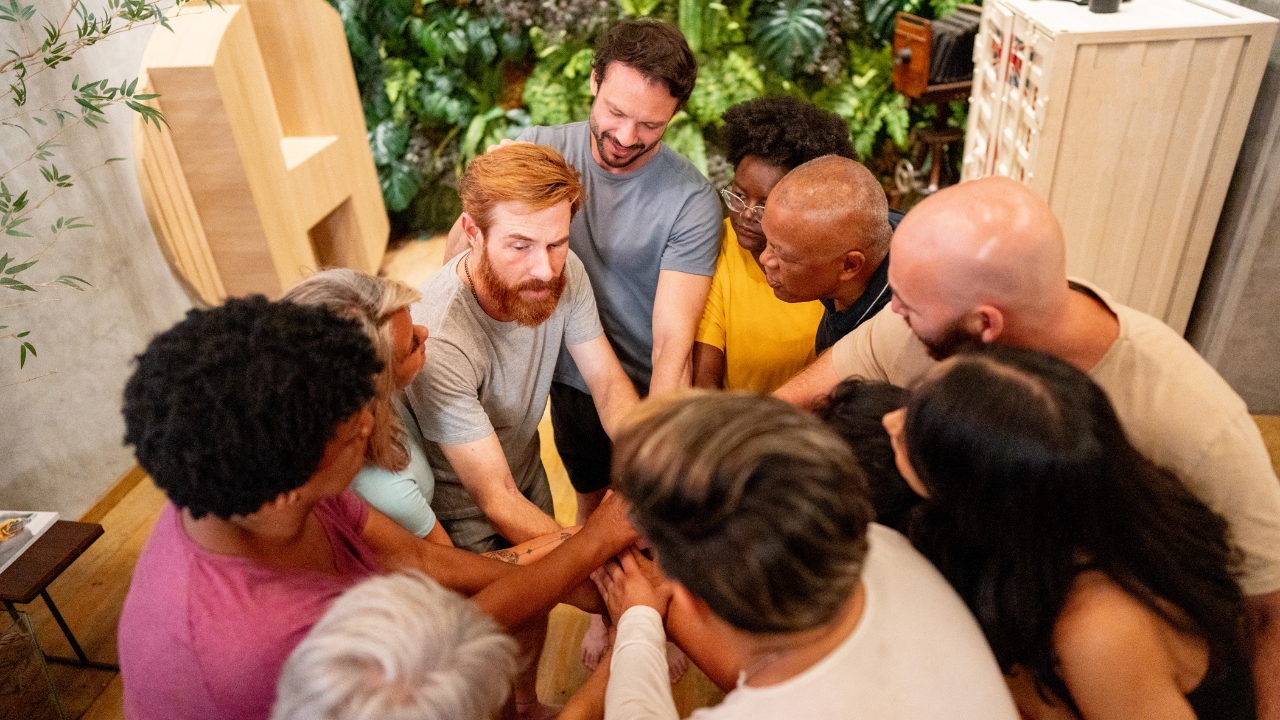
Community involvement often sounds impressive in annual reports. Sponsorship logos. Event photos. Donation announcements.
But meaningful social impact rarely looks dramatic. It looks consistent. It looks structured. And it looks integrated into how an organization operates — not separated from it.
The difference between surface-level engagement and real community investment is not visibility. It is alignment.
Moving Beyond Visibility to Responsibility
Many organizations approach community engagement as an extension of brand positioning. While visibility can reinforce reputation, it does not automatically produce measurable impact.
Meaningful community investment begins with responsibility. This means identifying where the organization’s capabilities intersect with real community challenges. If a company has deep expertise in workforce training, financial literacy, operations management, or technology access, those strengths should shape its social impact strategy.
When corporate involvement mirrors organizational skill sets, community initiatives become more sustainable. They are no longer peripheral projects but extensions of core competency.
The Power of Long-Term Partnership
Short-term campaigns create awareness. Long-term partnerships create results.
Community development does not shift through one-time events. It requires stability, trust, and repeated engagement. Organizations that commit to multi-year partnerships with schools, workforce centers, or local nonprofits build stronger foundations for impact.
These partnerships allow for continuity. Programs can evolve. Feedback can be integrated. Adjustments can be made without starting from scratch.
Over time, consistency transforms transactional giving into collaborative development.
Internal Culture Reflects External Commitment
An organization’s social impact strategy is visible not only in the community but inside the workplace.
Employees observe whether community engagement is treated as a marketing initiative or as an organizational priority. When leadership actively participates in outreach efforts, when volunteer time is supported rather than discouraged, and when community conversations are included in strategic planning, social impact becomes embedded in culture.
This internal alignment strengthens credibility. It signals that community involvement is not reactive — it is intentional.
Employees also benefit from deeper exposure to community realities. Participation in mentorship programs, workforce workshops, or nonprofit collaborations broadens perspective and strengthens professional skills such as communication, leadership, and empathy.
Measuring What Actually Matters
Community impact is often evaluated through activity counts — number of volunteers, dollars donated, events sponsored.
More meaningful evaluation focuses on stability and continuity. Are programs still operating a year later? Are partnerships expanding? Are initiatives being refined based on feedback?
Sustainable impact is reflected in resilience — programs that continue because they are structured, supported, and aligned.
Organizations that incorporate regular assessment into their social investment strategy strengthen both accountability and effectiveness.
Social Impact as Strategic Infrastructure
Community engagement should not function as a separate department operating independently from operations, leadership, and workforce strategy.
When aligned correctly, social investment supports workforce development, strengthens local talent pipelines, enhances employee engagement, and reinforces organizational credibility.
This integration transforms social impact from a public relations initiative into strategic infrastructure.
Communities benefit from stable, skill-aligned investment. Organizations benefit from stronger relationships, clearer purpose, and enhanced reputation.
Community and social impact efforts are not defined by scale or publicity. They are defined by consistency, alignment, and sustained partnership.
When organizations move beyond visibility and build structured, long-term engagement strategies, community investment becomes more than contribution.
It becomes collaboration.


Community Mentorship Programs Help Strengthen Local Workforce and Social Impact

Low-Code Platforms are Changing How Businesses Build Internal Technology

Microlearning in Employee Training: A Practical Approach to Workplace Skill Development

Decision-Making Frameworks Improve Strategic Leadership and Organizational Clarity

Career Ladder Programs Strengthen Workforce Development and Employee Retention

Workplace Recognition Programs Improve Organizational Culture and Employee Engagement

Why Mental Endurance is Essential for Workplace Resilience

What Informational Interviews are and Why they Matter

How Emotional Intelligence Can Help You Manage Stress and Build Resilience

Interview with Dr. Kristy K. Taylor, WORxK Global News Magazine Founder

Sarah Herrlinger Talks AirPods Pro Hearing Aid

NetWork Your Way to Success: Top Tips for Maximizing Your Professional Network

Unlocking Human Potential: Kim Groshek’s Journey to Transforming Leadership and Stress Resilience

The Power of Belonging: Why Feeling Accepted Matters in the Workplace

Health-care stocks fall after Warren PBM bill, Brian Thompson shooting

Glenda Benevides: Creating Global Impact Through Music
-
 Resiliency7 months ago
How Emotional Intelligence Can Help You Manage Stress and Build Resilience
-
 Career Advice1 year ago
Interview with Dr. Kristy K. Taylor, WORxK Global News Magazine Founder
-
 Diversity and Inclusion (DEIA)1 year ago
Sarah Herrlinger Talks AirPods Pro Hearing Aid
-
 Career Advice1 year ago
NetWork Your Way to Success: Top Tips for Maximizing Your Professional Network
-
 Changemaker Interviews1 year ago
Unlocking Human Potential: Kim Groshek’s Journey to Transforming Leadership and Stress Resilience
-
 Diversity and Inclusion (DEIA)1 year ago
The Power of Belonging: Why Feeling Accepted Matters in the Workplace
-
 Global Trends and Politics1 year ago
Health-care stocks fall after Warren PBM bill, Brian Thompson shooting
-
 Changemaker Interviews12 months ago
Glenda Benevides: Creating Global Impact Through Music