
Innovation and Technology
Inside The Executive Order That Could Block State AI Laws

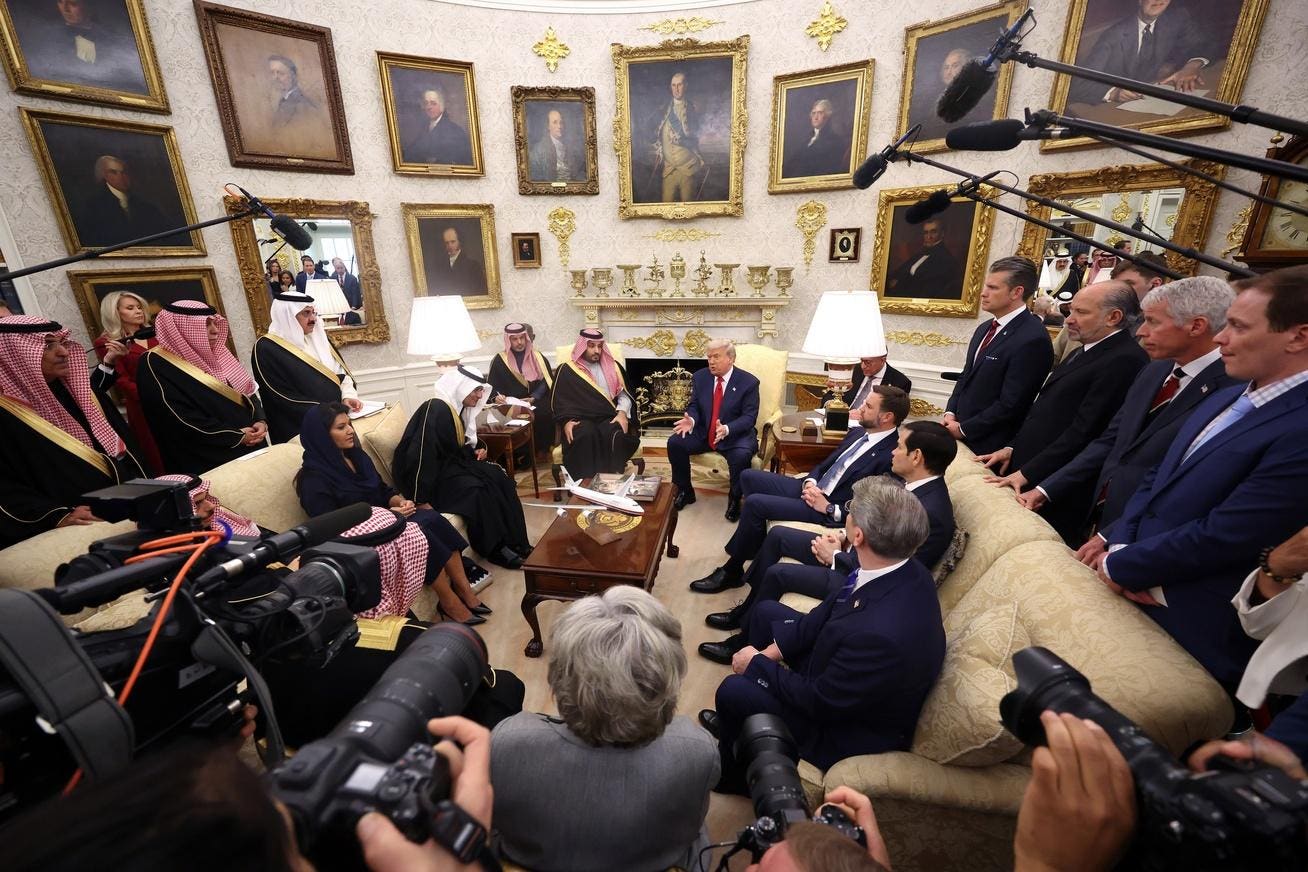
The Trump administration is preparing to challenge state artificial intelligence laws, revealing a draft executive order that could override these laws and reshape the rules for the technology. This move is seen as a bold step towards halting state action without a national framework in place. The administration argues that a unified federal approach is necessary to protect U.S. competitiveness, prevent compliance costs from escalating across 50 jurisdictions, and keep pace with global rivals as they accelerate their own AI strategies.
Background and Context
Many in the tech industry agree on the need for federal policy that would preempt a patchwork of state laws. However, not all speak with the same voice. Some argue that a unified federal approach is necessary, while others counter that preempting state laws would strip away the only meaningful guardrails currently in place and weaken safeguards for consumers, workers, and civil rights. States have been at the forefront of regulating AI, with California’s Transparency in Frontier Artificial Intelligence Act being a notable example.
The proposal for a moratorium blocking state AI legislation was removed from the One Big Beautiful Bill Act, the Republican budget reconciliation package, earlier this summer. The Senate was unable to unify support, with prominent Republicans like Sen. Josh Hawley of Missouri expressing concerns about federal overreach. In July, the White House’s AI Action Plan set the direction for an accelerationist vision, framing AI progress as a geopolitical race for economic and national security dominance.
Key Provisions of the Draft Order
The draft order seeks to block state-level AI laws and create a minimally intrusive national standard. It directs the creation of a DOJ AI litigation task force to challenge state AI laws as unconstitutional if they regulate interstate commerce. The order also commissions a Commerce Department review to identify state AI laws that conflict with the administration’s AI policy and refer them to the DOJ task force. Additionally, it commands Commerce to outline funding restrictions to non-compliant states, with federal agencies reviewing discretionary grants and considering conditioning awards on states refraining from enacting or enforcing conflicting laws.
The order also tasks the FCC with creating a national disclosure standard to preempt state laws, while the FTC would apply its powers over unfair and deceptive practices to explain when state laws requiring output alterations are prohibited. Lastly, the order directs the special advisor for AI and crypto, David Sacks, and the director of legislative affairs, James Braid, to draft legislation establishing a federal regulatory framework.
Industry Perspectives
Not all in the industry think alike when it comes to AI regulation. Traditional enterprise technology companies like Microsoft and IBM support innovation but stress that trust and accountability are essential for widespread adoption. Anthropic, a vocal proponent of safety and national security regulation, supports unified federal AI regulation but opposes blanket moratoriums on state laws. The company has backed state safety measures while federal action lags, and has been accused by Sacks of carrying out a “sophisticated regulatory capture strategy based on fear-mongering.”
Future of AI Policy
The administration’s aggressive posture towards state AI laws should remind Congress that only legislation grounded in democratic debate can provide a stable framework that lasts. If signed, the order would mark the most aggressive federal intervention into state tech regulation in decades and set up an inevitable court battle over the limits of executive power. As the administration and its allies move quickly into the policy vacuum Congress left open, it remains to be seen whether sustained growth will require a more balanced approach that incorporates trust, accountability, and dynamic governance models.




Community Mentorship Programs Help Strengthen Local Workforce and Social Impact

Low-Code Platforms are Changing How Businesses Build Internal Technology

Microlearning in Employee Training: A Practical Approach to Workplace Skill Development

Decision-Making Frameworks Improve Strategic Leadership and Organizational Clarity

Career Ladder Programs Strengthen Workforce Development and Employee Retention

Workplace Recognition Programs Improve Organizational Culture and Employee Engagement

Why Mental Endurance is Essential for Workplace Resilience

What Informational Interviews are and Why they Matter

How Emotional Intelligence Can Help You Manage Stress and Build Resilience

Interview with Dr. Kristy K. Taylor, WORxK Global News Magazine Founder

Sarah Herrlinger Talks AirPods Pro Hearing Aid

NetWork Your Way to Success: Top Tips for Maximizing Your Professional Network

Unlocking Human Potential: Kim Groshek’s Journey to Transforming Leadership and Stress Resilience

The Power of Belonging: Why Feeling Accepted Matters in the Workplace

Health-care stocks fall after Warren PBM bill, Brian Thompson shooting

Glenda Benevides: Creating Global Impact Through Music
-
 Resiliency7 months ago
How Emotional Intelligence Can Help You Manage Stress and Build Resilience
-
 Career Advice1 year ago
Interview with Dr. Kristy K. Taylor, WORxK Global News Magazine Founder
-
 Diversity and Inclusion (DEIA)1 year ago
Sarah Herrlinger Talks AirPods Pro Hearing Aid
-
 Career Advice1 year ago
NetWork Your Way to Success: Top Tips for Maximizing Your Professional Network
-
 Changemaker Interviews1 year ago
Unlocking Human Potential: Kim Groshek’s Journey to Transforming Leadership and Stress Resilience
-
 Diversity and Inclusion (DEIA)1 year ago
The Power of Belonging: Why Feeling Accepted Matters in the Workplace
-
 Global Trends and Politics1 year ago
Health-care stocks fall after Warren PBM bill, Brian Thompson shooting
-
 Changemaker Interviews12 months ago
Glenda Benevides: Creating Global Impact Through Music