
Global Trends and Politics
Inside the leather trade war hitting handbags, boots and couches

Leather Industry Faces Uncertainty Amid Tariff-Induced Chaos
The leather industry has been thrown into disarray following the imposition of sweeping tariffs on imports by President Donald Trump in April. Companies like Twisted X, a renowned Western footwear manufacturer, have been forced to adapt to the new reality, with import costs surging and shipments being paused mid-transit. The situation has led to a “tariff war room” being set up at Twisted X’s headquarters, where staff are working around the clock to recalculate margins and navigate the uncertainty.
The challenges faced by Twisted X are not unique, with many leather retailers, big and small, struggling to cope with the aftermath of the tariffs. The Yale Budget Lab projects that leather goods prices will remain elevated by nearly 22% for at least the next one to two years, driven by inflation, supply chain bottlenecks, and heavy tariff exposure. The reason behind this is twofold: the high tariff rates imposed on countries like China, Vietnam, Italy, and India, where the US imports most of its leather, and the significant reliance on these countries for apparel-related products.
Tariff-Induced Price Increases
The costs of the tariffs have already started to show up for brands like Tapestry, owner of handbag makers Coach and Kate Spade, with executives warning of “greater than previously expected profit headwinds” moving forward. The situation is further complicated by the fact that many companies have been forced to absorb the increased costs, but this buffer is fading fast. Despite efforts to reroute supply chains and move production, Twisted X has still had to raise prices around 1% to 3% this year.
The price increases are not limited to Twisted X, with luxury brands like Chanel also raising prices. The iconic Classic Flap bag is now about 5% more expensive than it was last year, following a series of price hikes. Analysts expect prices for leather footwear and accessories to rise roughly 22% over the next year or two and around 7% long term, as higher tariffs, freight costs, and scarce premium hides move through the system.
Global Supply Chain Chaos
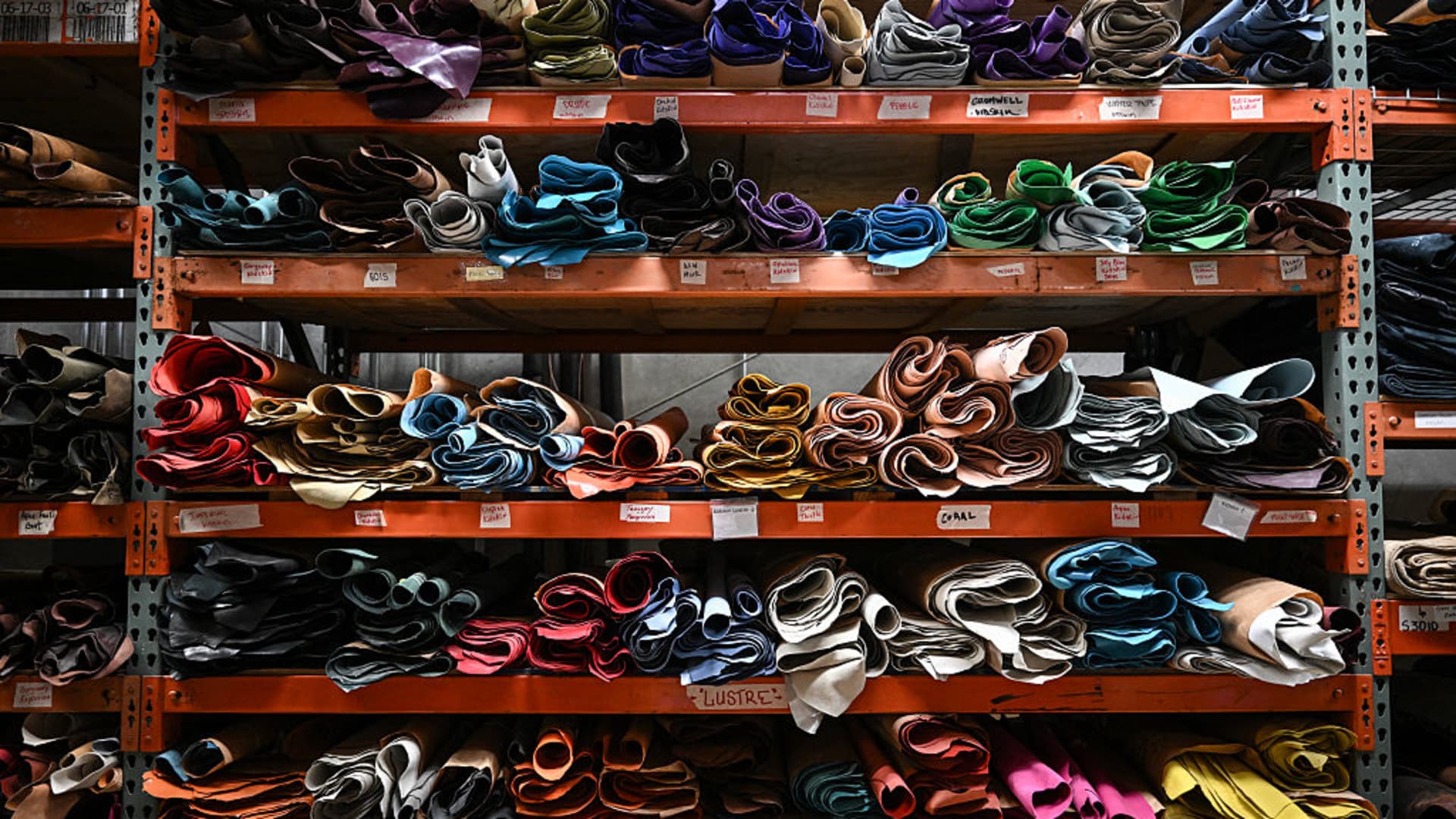
The global supply chain for leather goods is complex, with many companies relying on foreign production to keep costs low. However, this reliance on overseas production has backfired, with the new tariffs causing chaos and uncertainty. Twisted X’s products, for example, start as raw, salted cow hides from American ranches, which are then shipped to Asia for tanning and processing before being returned to the US as finished products.
The US leather trade deficit is one of the widest in manufacturing, with the country importing $1.37 billion in leather apparel while exporting just $92.7 million in 2023. China alone supplies about one-third of all leather goods imported into the US. The decline of the domestic leather manufacturing industry has reduced the options companies have to pivot away from the global supply chain, with the workforce falling to around 50,000 in 2025, down from over 300,000 in the 1950s.
Domestic Declines and Cattle Shortages
The decline of the domestic leather manufacturing industry is a significant concern, with many companies struggling to find alternative suppliers. The burden of tariffs has had the steepest impact on brands that rely on finished goods from Asia, rather than companies sourcing leather domestically. The US cattle herd is also at its smallest point since the 1950s, following prolonged drought, rising feed costs, and herd liquidation, leading to a raw material shortage and higher costs for high-quality leather.
The situation is further complicated by the fact that many faux-leather and polyurethane materials rely on petrochemical inputs sourced from Asia, which are also subject to the new tariffs. Retailers and industry analysts report that synthetic footwear and handbags are seeing mid- to high-single-digit cost increases, making it difficult for shoppers to find affordable alternatives. As the leather industry navigates this uncertain landscape, one thing is clear: the effects of the tariffs will be felt for a long time to come.


Community Mentorship Programs Help Strengthen Local Workforce and Social Impact

Low-Code Platforms are Changing How Businesses Build Internal Technology

Microlearning in Employee Training: A Practical Approach to Workplace Skill Development

Decision-Making Frameworks Improve Strategic Leadership and Organizational Clarity

Career Ladder Programs Strengthen Workforce Development and Employee Retention

Workplace Recognition Programs Improve Organizational Culture and Employee Engagement

Why Mental Endurance is Essential for Workplace Resilience

What Informational Interviews are and Why they Matter

How Emotional Intelligence Can Help You Manage Stress and Build Resilience

Interview with Dr. Kristy K. Taylor, WORxK Global News Magazine Founder

Sarah Herrlinger Talks AirPods Pro Hearing Aid

NetWork Your Way to Success: Top Tips for Maximizing Your Professional Network

Unlocking Human Potential: Kim Groshek’s Journey to Transforming Leadership and Stress Resilience

The Power of Belonging: Why Feeling Accepted Matters in the Workplace

Health-care stocks fall after Warren PBM bill, Brian Thompson shooting

Glenda Benevides: Creating Global Impact Through Music
-
 Resiliency7 months ago
How Emotional Intelligence Can Help You Manage Stress and Build Resilience
-
 Career Advice1 year ago
Interview with Dr. Kristy K. Taylor, WORxK Global News Magazine Founder
-
 Diversity and Inclusion (DEIA)1 year ago
Sarah Herrlinger Talks AirPods Pro Hearing Aid
-
 Career Advice1 year ago
NetWork Your Way to Success: Top Tips for Maximizing Your Professional Network
-
 Changemaker Interviews1 year ago
Unlocking Human Potential: Kim Groshek’s Journey to Transforming Leadership and Stress Resilience
-
 Diversity and Inclusion (DEIA)1 year ago
The Power of Belonging: Why Feeling Accepted Matters in the Workplace
-
 Global Trends and Politics1 year ago
Health-care stocks fall after Warren PBM bill, Brian Thompson shooting
-
 Changemaker Interviews12 months ago
Glenda Benevides: Creating Global Impact Through Music