
Global Trends and Politics
International Labor Organization Reports Rise in Global Worker Militancy and Activism

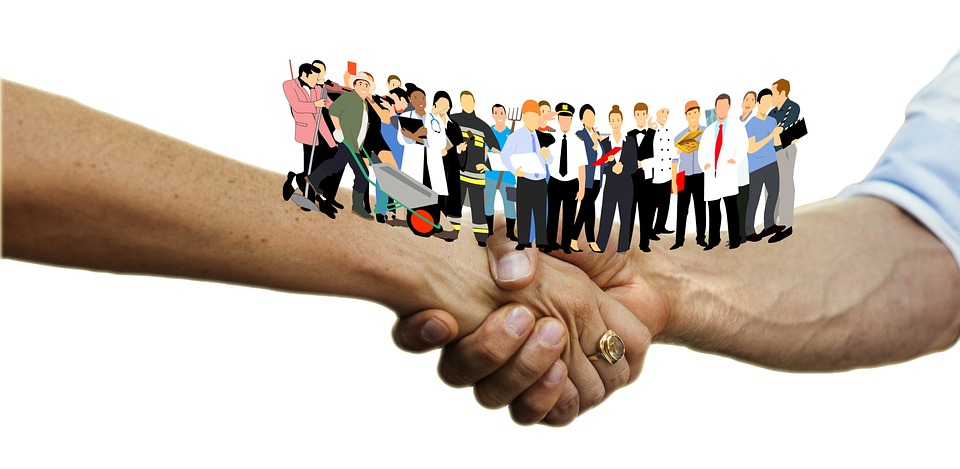
Introduction to Global Worker Militancy
The International Labor Organization (ILO) has reported a significant rise in global worker militancy and activism, highlighting a shift in the way workers are fighting for their rights and better working conditions. This trend is evident across various industries and countries, with workers using diverse tactics to voice their demands and bring about change. The ILO’s findings suggest that workers are becoming increasingly empowered to challenge exploitative practices and push for more equitable labor standards.
Causes of Rising Worker Militancy
Several factors contribute to the growing wave of worker militancy worldwide. One key driver is the worsening income inequality and the erosion of workers’ rights in many countries. As the wealth gap widens, workers are finding it harder to make ends meet, leading to increased frustration and desperation. Additionally, the rise of the gig economy and precarious work arrangements has left many workers without access to basic benefits, job security, or collective bargaining rights. These conditions have created a perfect storm, fueling worker discontent and encouraging more militant forms of activism.
Role of Technology in Worker Activism
Technology has played a crucial role in facilitating worker activism, enabling the rapid dissemination of information, organization, and mobilization. Social media platforms, in particular, have become essential tools for workers to share their experiences, coordinate actions, and build solidarity across borders. Online campaigns and petitions have also allowed workers to raise awareness about specific issues and apply pressure on employers and governments to respond to their demands. Moreover, digital platforms have enabled workers to connect with each other, share strategies, and learn from successful struggles, fostering a sense of global solidarity and cooperation.
Examples of Worker Militancy and Activism
Recent years have seen numerous examples of worker militancy and activism around the world. In the United States, teachers’ strikes and walkouts have become increasingly common, with educators demanding better pay, benefits, and funding for public education. Similarly, in Europe, workers in various sectors, including transportation, healthcare, and manufacturing, have engaged in strikes and protests to oppose austerity measures, defend their rights, and push for improved working conditions. In the Global South, workers in countries such as India, Brazil, and South Africa have also been at the forefront of labor struggles, fighting against exploitation, precarious work, and environmental degradation.
Impact and Future Directions
The rise in global worker militancy and activism has significant implications for the future of work and labor relations. As workers continue to organize and mobilize, they are likely to achieve important gains, including better wages, benefits, and working conditions. However, the response of employers and governments to these demands will be crucial in determining the outcome of these struggles. The ILO’s report highlights the need for policymakers and business leaders to engage with workers and their organizations, addressing the root causes of worker discontent and working towards more equitable and sustainable labor standards. Ultimately, the growing wave of worker militancy and activism presents an opportunity for workers, employers, and governments to rebuild the social contract and create a more just and equitable world of work.


Community Mentorship Programs Help Strengthen Local Workforce and Social Impact

Low-Code Platforms are Changing How Businesses Build Internal Technology

Microlearning in Employee Training: A Practical Approach to Workplace Skill Development

Decision-Making Frameworks Improve Strategic Leadership and Organizational Clarity

Career Ladder Programs Strengthen Workforce Development and Employee Retention

Workplace Recognition Programs Improve Organizational Culture and Employee Engagement

Why Mental Endurance is Essential for Workplace Resilience

What Informational Interviews are and Why they Matter

How Emotional Intelligence Can Help You Manage Stress and Build Resilience

Interview with Dr. Kristy K. Taylor, WORxK Global News Magazine Founder

Sarah Herrlinger Talks AirPods Pro Hearing Aid

NetWork Your Way to Success: Top Tips for Maximizing Your Professional Network

Unlocking Human Potential: Kim Groshek’s Journey to Transforming Leadership and Stress Resilience

The Power of Belonging: Why Feeling Accepted Matters in the Workplace

Health-care stocks fall after Warren PBM bill, Brian Thompson shooting

Glenda Benevides: Creating Global Impact Through Music
-
 Resiliency7 months ago
How Emotional Intelligence Can Help You Manage Stress and Build Resilience
-
 Career Advice1 year ago
Interview with Dr. Kristy K. Taylor, WORxK Global News Magazine Founder
-
 Diversity and Inclusion (DEIA)1 year ago
Sarah Herrlinger Talks AirPods Pro Hearing Aid
-
 Career Advice1 year ago
NetWork Your Way to Success: Top Tips for Maximizing Your Professional Network
-
 Changemaker Interviews1 year ago
Unlocking Human Potential: Kim Groshek’s Journey to Transforming Leadership and Stress Resilience
-
 Diversity and Inclusion (DEIA)1 year ago
The Power of Belonging: Why Feeling Accepted Matters in the Workplace
-
 Global Trends and Politics1 year ago
Health-care stocks fall after Warren PBM bill, Brian Thompson shooting
-
 Changemaker Interviews12 months ago
Glenda Benevides: Creating Global Impact Through Music