
Global Trends and Politics
Kevin Hassett pivots to possible ‘Trump cards’ amid credit card battle

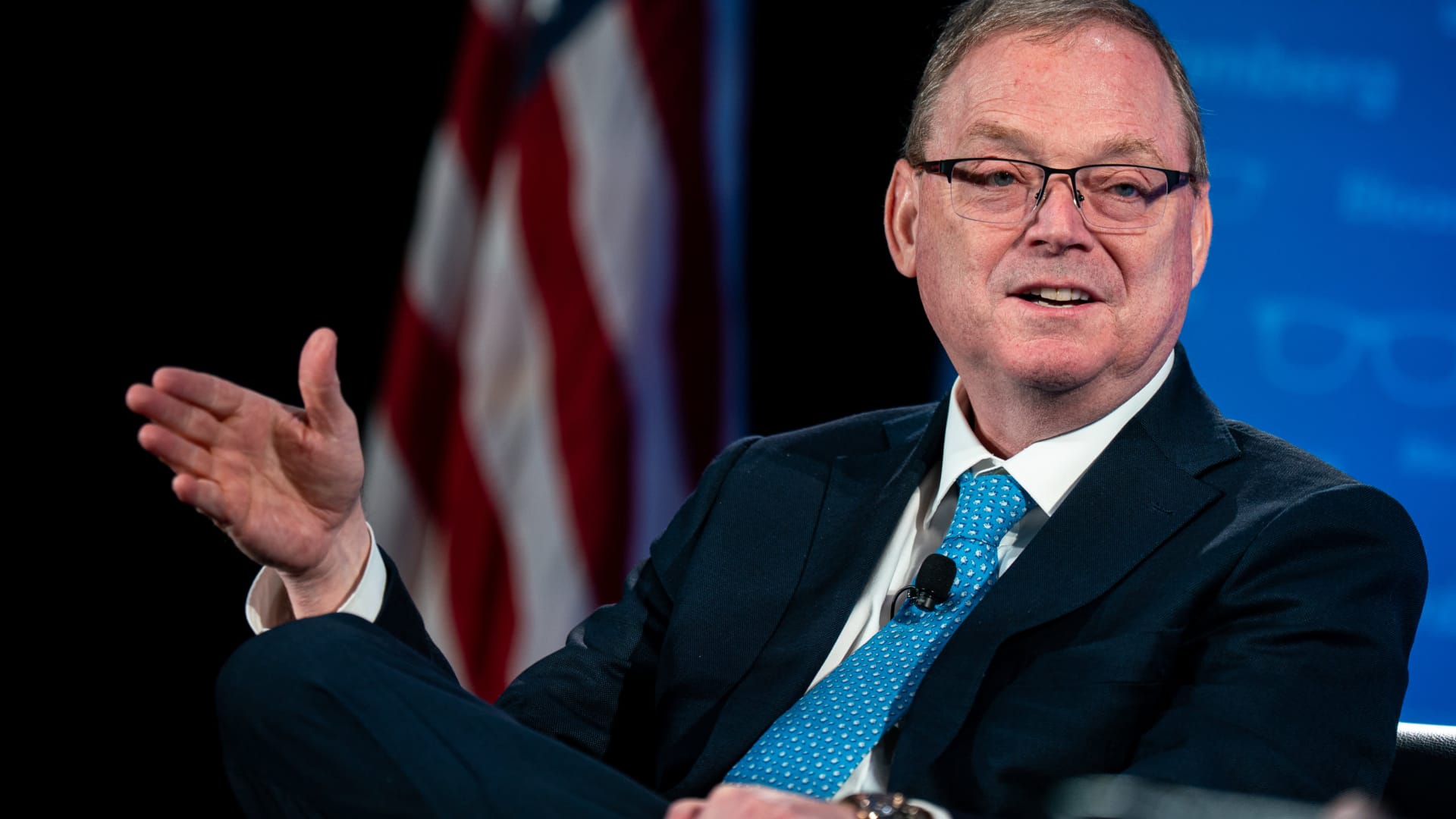
White House Economic Advisor Floats Alternative Plan for Underserved Americans
The White House is exploring new ways to address President Donald Trump’s affordability push, with a focus on providing credit access to underserved Americans. According to Kevin Hassett, director of the National Economic Council, large U.S. banks could voluntarily offer credit cards to individuals who lack access to credit but have a stable income.
This approach differs from Trump’s initial proposal to cap credit card interest rates at 10%, which was met with resistance from industry executives and lobbyists. Hassett’s suggestion is more targeted, aiming to support consumers who are currently excluded from the credit market due to lack of access, rather than imposing a blanket rate cap.
A New Approach to Credit Access
Hassett discussed the idea in an interview with Fox Business host Maria Bartiromo, explaining that banks could voluntarily provide credit cards to people who are in a “sweet spot” of having enough income and stability to justify credit lines, but lack access to credit. He emphasized that this approach might not require legislation, as banks could introduce new products, dubbed “Trump cards,” to cater to this demographic.
The administration’s shift in focus may indicate a recognition that broad changes to the credit card industry could be challenging to enact and might have unintended consequences on consumer spending and the economy. Bankers have already expressed concerns that a 10% interest rate cap could lead to account closures, rather than increased access to credit.
Industry Response and Next Steps
While Hassett claims that the administration has been in talks with CEOs of major banks, who allegedly support the president’s initiative, some credit card issuers and bank lobbyists have denied being involved in discussions about the “Trump card” concept. As the White House continues to explore ways to improve credit access, it remains to be seen how the industry will respond and whether voluntary measures will be enough to address the issue.
The development of new credit products and services will depend on the willingness of banks to participate and the effectiveness of these initiatives in reaching underserved communities. As the conversation around credit access and affordability continues, it is essential to monitor the progress and impact of these efforts on the economy and consumers.


Community Mentorship Programs Help Strengthen Local Workforce and Social Impact

Low-Code Platforms are Changing How Businesses Build Internal Technology

Microlearning in Employee Training: A Practical Approach to Workplace Skill Development

Decision-Making Frameworks Improve Strategic Leadership and Organizational Clarity

Career Ladder Programs Strengthen Workforce Development and Employee Retention

Workplace Recognition Programs Improve Organizational Culture and Employee Engagement

Why Mental Endurance is Essential for Workplace Resilience

What Informational Interviews are and Why they Matter

How Emotional Intelligence Can Help You Manage Stress and Build Resilience

Interview with Dr. Kristy K. Taylor, WORxK Global News Magazine Founder

Sarah Herrlinger Talks AirPods Pro Hearing Aid

NetWork Your Way to Success: Top Tips for Maximizing Your Professional Network

Unlocking Human Potential: Kim Groshek’s Journey to Transforming Leadership and Stress Resilience

The Power of Belonging: Why Feeling Accepted Matters in the Workplace

Health-care stocks fall after Warren PBM bill, Brian Thompson shooting

Glenda Benevides: Creating Global Impact Through Music
-
 Resiliency7 months ago
How Emotional Intelligence Can Help You Manage Stress and Build Resilience
-
 Career Advice1 year ago
Interview with Dr. Kristy K. Taylor, WORxK Global News Magazine Founder
-
 Diversity and Inclusion (DEIA)1 year ago
Sarah Herrlinger Talks AirPods Pro Hearing Aid
-
 Career Advice1 year ago
NetWork Your Way to Success: Top Tips for Maximizing Your Professional Network
-
 Changemaker Interviews1 year ago
Unlocking Human Potential: Kim Groshek’s Journey to Transforming Leadership and Stress Resilience
-
 Diversity and Inclusion (DEIA)1 year ago
The Power of Belonging: Why Feeling Accepted Matters in the Workplace
-
 Global Trends and Politics1 year ago
Health-care stocks fall after Warren PBM bill, Brian Thompson shooting
-
 Changemaker Interviews12 months ago
Glenda Benevides: Creating Global Impact Through Music