
Organizational Culture
Make Better Strategic Decisions Amid Uncertainty

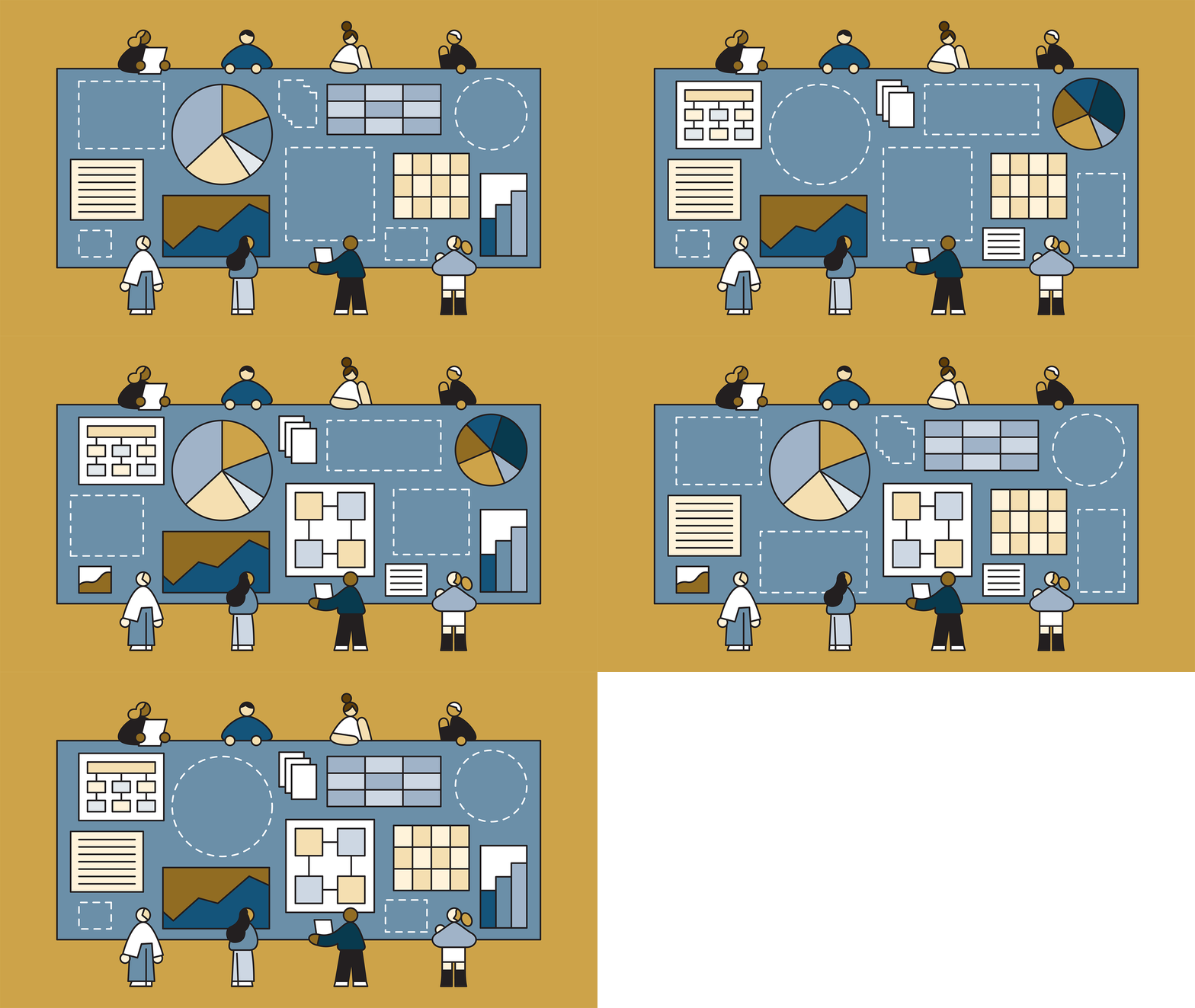
Leading in a Complex World
Today’s leaders are faced with a unique challenge: navigating an unprecedented amount of information while making strategic decisions that impact their organizations. The rapid expansion of artificial intelligence and geopolitical shifts have created a complex landscape, where choices about investments, markets, and technologies depend on a multitude of variables. These decisions, in turn, have far-reaching consequences that can affect multiple aspects of their businesses.
The Pace of Change
The pace of technological advancements, particularly in AI, is accelerating at an unprecedented rate. This means that leaders must be able to adapt quickly to changing circumstances, making informed decisions about where to invest, how to allocate resources, and which markets to pursue. Furthermore, the interconnected nature of global economies and societies adds an extra layer of complexity, as decisions made in one area can have ripple effects across multiple industries and regions.
Strategic Decision-Making in a Complex Environment
To succeed in this environment, leaders must be able to analyze vast amounts of data, identify key trends and patterns, and make informed decisions about the future. This requires a deep understanding of the complex interdependencies that exist within and between organizations, as well as the ability to think critically and strategically. By doing so, leaders can make more effective decisions, mitigate potential risks, and capitalize on emerging opportunities.
Building a Framework for Success
So, how can leaders build a framework for success in this complex and rapidly changing world? One approach is to focus on developing a deep understanding of the key drivers of change, including technological advancements, shifting consumer behaviors, and evolving regulatory environments. By staying ahead of the curve and anticipating potential disruptions, leaders can make more informed decisions and position their organizations for long-term success. Additionally, fostering a culture of innovation, collaboration, and continuous learning can help organizations stay agile and responsive to changing circumstances.




Community Mentorship Programs Help Strengthen Local Workforce and Social Impact

Low-Code Platforms are Changing How Businesses Build Internal Technology

Microlearning in Employee Training: A Practical Approach to Workplace Skill Development

Decision-Making Frameworks Improve Strategic Leadership and Organizational Clarity

Career Ladder Programs Strengthen Workforce Development and Employee Retention

Workplace Recognition Programs Improve Organizational Culture and Employee Engagement

Why Mental Endurance is Essential for Workplace Resilience

What Informational Interviews are and Why they Matter

How Emotional Intelligence Can Help You Manage Stress and Build Resilience

Interview with Dr. Kristy K. Taylor, WORxK Global News Magazine Founder

Sarah Herrlinger Talks AirPods Pro Hearing Aid

NetWork Your Way to Success: Top Tips for Maximizing Your Professional Network

Unlocking Human Potential: Kim Groshek’s Journey to Transforming Leadership and Stress Resilience

The Power of Belonging: Why Feeling Accepted Matters in the Workplace

Health-care stocks fall after Warren PBM bill, Brian Thompson shooting

Glenda Benevides: Creating Global Impact Through Music
-
 Resiliency7 months ago
How Emotional Intelligence Can Help You Manage Stress and Build Resilience
-
 Career Advice1 year ago
Interview with Dr. Kristy K. Taylor, WORxK Global News Magazine Founder
-
 Diversity and Inclusion (DEIA)1 year ago
Sarah Herrlinger Talks AirPods Pro Hearing Aid
-
 Career Advice1 year ago
NetWork Your Way to Success: Top Tips for Maximizing Your Professional Network
-
 Changemaker Interviews1 year ago
Unlocking Human Potential: Kim Groshek’s Journey to Transforming Leadership and Stress Resilience
-
 Diversity and Inclusion (DEIA)1 year ago
The Power of Belonging: Why Feeling Accepted Matters in the Workplace
-
 Global Trends and Politics1 year ago
Health-care stocks fall after Warren PBM bill, Brian Thompson shooting
-
 Changemaker Interviews12 months ago
Glenda Benevides: Creating Global Impact Through Music