
Innovation and Technology
Moderna’s Game-Changing Reorg Merges HR And IT

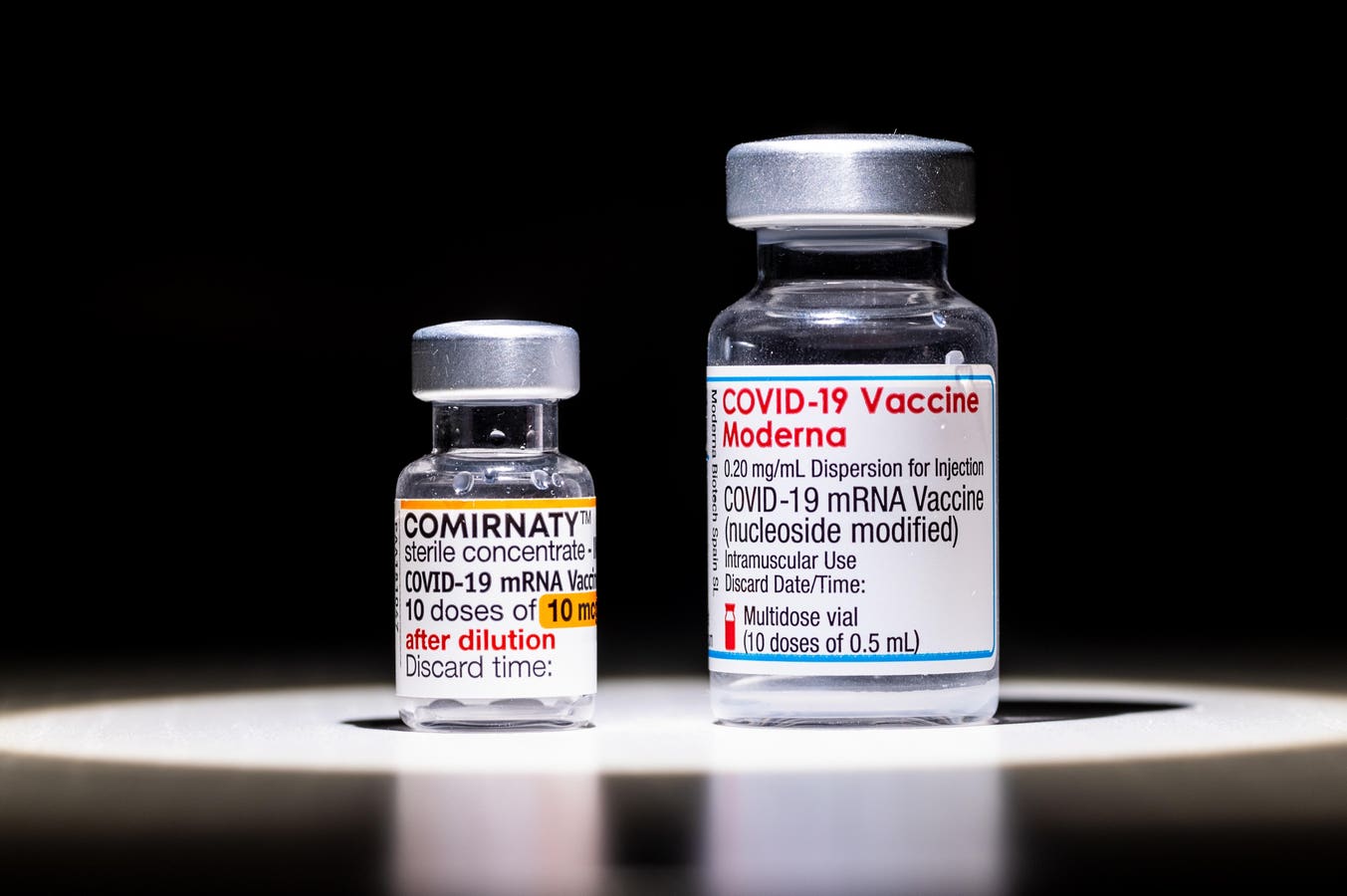
Moderna, a biotech giant, is taking a significant leap in the age of artificial intelligence by reshaping its traditional corporate structure. The company has merged its human resources and information technology functions under one leadership role, with the goal of building an agile, AI-first company. This move is not just about efficiency or cost-cutting, but rather a shift in how companies define work, design roles, and deploy intelligent systems across their organizations.
Integrating Human Capital Strategy and Digital Innovation
The merger of HR and IT at Moderna was announced in May, with Tracey Franklin, the company’s former CHRO, now overseeing a dual mandate as the chief people and digital technology officer. This consolidation is a bet that Franklin’s deep relationships within both spheres will enable Moderna to streamline decision-making across domains that increasingly overlap. By combining the roles, Moderna is signaling that digital acumen is no longer optional for HR leadership, or any other function for that matter – everyone is expected to be digitally native in this new world.
Traditionally, HR departments focus on headcount, such as how many people to hire, retain, or upskill. However, with this experimental model, Moderna is pivoting to work planning, a design-first approach that evaluates what work needs to be done and then determines how it should be distributed across humans, AI agents, and software systems. This new approach redefines organizational capability from the ground up, asking questions such as whether a task should be automated or require human empathy, and whether machine learning models can speed up decision-making.
Partnership with OpenAI and Automation
Moderna has partnered with OpenAI, deploying over 3,000 GPT-based agents internally to automate and support various business processes, including HR operations, R&D, and clinical trials, as well as business services. These agents are designed to augment employees, reduce repetitive tasks, and enable them to focus on strategic, human-centric work. According to Moderna, the goal is not to replace employees but to enhance their capabilities and improve overall productivity.
The company’s efforts are geared toward unlocking innovation, but this move is not without risks. Merging HR and tech creates new challenges, including cultural dissonance, over-automation, and superficial innovation. However, Moderna appears to be aware of these risks and is taking a systems-thinking approach, focusing on “designing the flow of work” rather than simply layering AI onto legacy processes.
The Future of Work and Organizational Redesign
Moderna’s decision to unify HR and technology under one banner is a glimpse into the operating system of the future enterprise. As AI reshapes what it means to be productive, adaptable, and innovative, organizations must rearchitect around flow, not necessarily function. The question for other leaders is no longer if work should change, but how it should change, and whether they can lead their organization through the redesign. In the AI-powered enterprise, structure follows intelligence, and companies like Moderna are paving the way for a more agile, efficient, and innovative future.




Community Mentorship Programs Help Strengthen Local Workforce and Social Impact

Low-Code Platforms are Changing How Businesses Build Internal Technology

Microlearning in Employee Training: A Practical Approach to Workplace Skill Development

Decision-Making Frameworks Improve Strategic Leadership and Organizational Clarity

Career Ladder Programs Strengthen Workforce Development and Employee Retention

Workplace Recognition Programs Improve Organizational Culture and Employee Engagement

Why Mental Endurance is Essential for Workplace Resilience

What Informational Interviews are and Why they Matter

How Emotional Intelligence Can Help You Manage Stress and Build Resilience

Interview with Dr. Kristy K. Taylor, WORxK Global News Magazine Founder

Sarah Herrlinger Talks AirPods Pro Hearing Aid

NetWork Your Way to Success: Top Tips for Maximizing Your Professional Network

Unlocking Human Potential: Kim Groshek’s Journey to Transforming Leadership and Stress Resilience

The Power of Belonging: Why Feeling Accepted Matters in the Workplace

Health-care stocks fall after Warren PBM bill, Brian Thompson shooting

Glenda Benevides: Creating Global Impact Through Music
-
 Resiliency7 months ago
How Emotional Intelligence Can Help You Manage Stress and Build Resilience
-
 Career Advice1 year ago
Interview with Dr. Kristy K. Taylor, WORxK Global News Magazine Founder
-
 Diversity and Inclusion (DEIA)1 year ago
Sarah Herrlinger Talks AirPods Pro Hearing Aid
-
 Career Advice1 year ago
NetWork Your Way to Success: Top Tips for Maximizing Your Professional Network
-
 Changemaker Interviews1 year ago
Unlocking Human Potential: Kim Groshek’s Journey to Transforming Leadership and Stress Resilience
-
 Diversity and Inclusion (DEIA)1 year ago
The Power of Belonging: Why Feeling Accepted Matters in the Workplace
-
 Global Trends and Politics1 year ago
Health-care stocks fall after Warren PBM bill, Brian Thompson shooting
-
 Changemaker Interviews12 months ago
Glenda Benevides: Creating Global Impact Through Music