
Innovation and Technology
Mount Sinai’s Hospital-at-Home Program

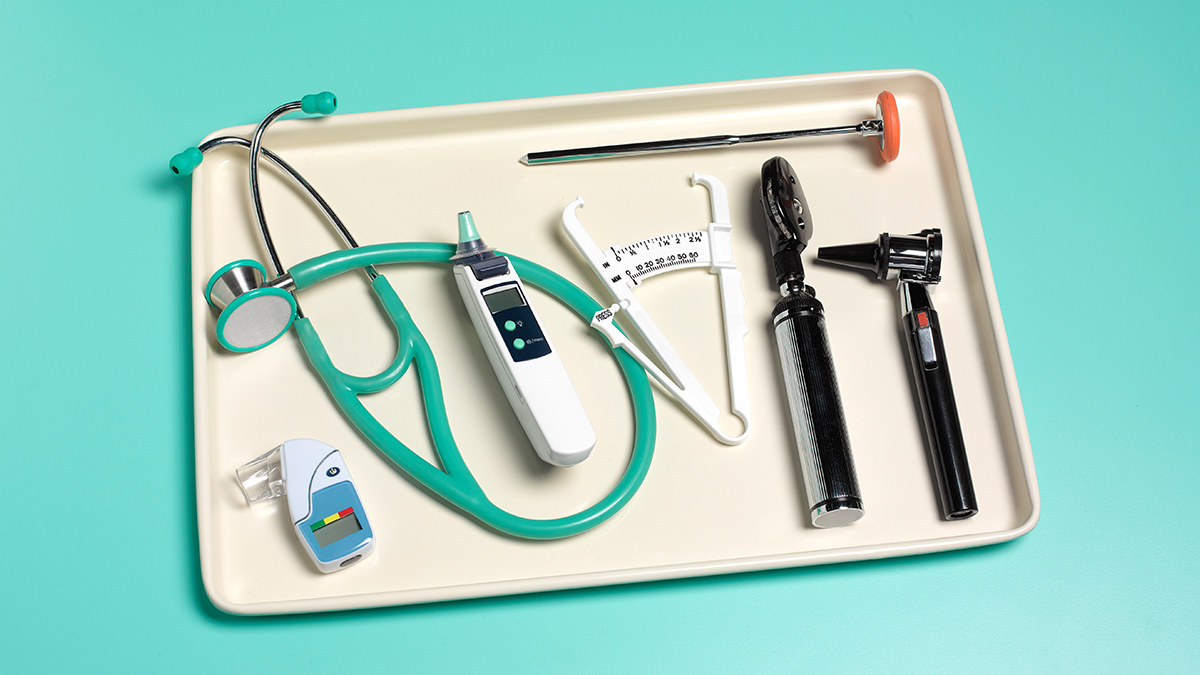
The Hospital-at-Home Health Care Delivery Model
What is Hospital-at-Home?
The hospital-at-home health care delivery model treats patients where they live instead of hospitalizing them. These programs care for patients with acute illnesses such as pneumonia, cellulitis, and exacerbations of congestive heart failure and chronic obstructive pulmonary disease.
Benefits of Hospital-at-Home
Research has shown varying but clearly positive impacts on mortality, clinical outcomes, readmission rates, and cost. Patients who receive hospital-at-home care tend to have better outcomes, are less likely to be readmitted to the hospital, and incur lower costs.
Challenges of Implementing Hospital-at-Home
Despite the benefits, setting up and running hospital-at-home initiatives is complex. One of the key challenges organizations encounter is regulatory barriers. Hospital-at-home programs require coordination with multiple stakeholders, including hospitals, home health agencies, and primary care physicians.
Regulatory Barriers
Regulatory barriers can be significant. For example, Medicare and Medicaid have different reimbursement rates for hospital-at-home services, which can create confusion and inefficiencies. Additionally, some states have specific regulations governing hospital-at-home programs, which can vary widely.
Reimbursement
Reimbursement is another significant challenge. Hospital-at-home programs often require a combination of Medicare and Medicaid reimbursement, which can be complex and unpredictable. Organizations must navigate multiple reimbursement streams and ensure that they are adequately compensated for their services.
Mt. Sinai’s Hospital-at-Home Program
Mt. Sinai’s hospital-at-home program is a prime example of the challenges and benefits of this model. The program, which was launched in 2017, provides hospital-level care to patients in their homes. The program is led by a team of physicians and nurses who work together to provide comprehensive care to patients.
Key Components of Mt. Sinai’s Program
Mt. Sinai’s program has several key components, including:
* A team of physicians and nurses who provide hospital-level care to patients in their homes
* A comprehensive care plan that is developed and implemented by the care team
* Regular monitoring and follow-up to ensure that patients are receiving the care they need
* Coordination with other healthcare providers to ensure seamless transitions of care
Conclusion
Hospital-at-home programs offer a promising solution for patients with acute illnesses. While there are challenges to implementing these programs, the benefits are clear. With careful planning and coordination, hospital-at-home programs can provide high-quality care to patients while reducing costs and improving outcomes.
FAQs
Q: What is hospital-at-home?
A: Hospital-at-home is a health care delivery model that provides hospital-level care to patients in their homes instead of hospitalizing them.
Q: What are the benefits of hospital-at-home?
A: The benefits of hospital-at-home include better outcomes, lower readmission rates, and lower costs.
Q: What are the challenges of implementing hospital-at-home?
A: The challenges of implementing hospital-at-home include regulatory barriers and reimbursement issues.
Q: How does Mt. Sinai’s hospital-at-home program work?
A: Mt. Sinai’s hospital-at-home program provides hospital-level care to patients in their homes through a team of physicians and nurses who work together to develop and implement a comprehensive care plan.




Community Mentorship Programs Help Strengthen Local Workforce and Social Impact

Low-Code Platforms are Changing How Businesses Build Internal Technology

Microlearning in Employee Training: A Practical Approach to Workplace Skill Development

Decision-Making Frameworks Improve Strategic Leadership and Organizational Clarity

Career Ladder Programs Strengthen Workforce Development and Employee Retention

Workplace Recognition Programs Improve Organizational Culture and Employee Engagement

Why Mental Endurance is Essential for Workplace Resilience

What Informational Interviews are and Why they Matter

How Emotional Intelligence Can Help You Manage Stress and Build Resilience

Interview with Dr. Kristy K. Taylor, WORxK Global News Magazine Founder

Sarah Herrlinger Talks AirPods Pro Hearing Aid

NetWork Your Way to Success: Top Tips for Maximizing Your Professional Network

Unlocking Human Potential: Kim Groshek’s Journey to Transforming Leadership and Stress Resilience

The Power of Belonging: Why Feeling Accepted Matters in the Workplace

Health-care stocks fall after Warren PBM bill, Brian Thompson shooting

Glenda Benevides: Creating Global Impact Through Music
-
 Resiliency7 months ago
How Emotional Intelligence Can Help You Manage Stress and Build Resilience
-
 Career Advice1 year ago
Interview with Dr. Kristy K. Taylor, WORxK Global News Magazine Founder
-
 Diversity and Inclusion (DEIA)1 year ago
Sarah Herrlinger Talks AirPods Pro Hearing Aid
-
 Career Advice1 year ago
NetWork Your Way to Success: Top Tips for Maximizing Your Professional Network
-
 Changemaker Interviews1 year ago
Unlocking Human Potential: Kim Groshek’s Journey to Transforming Leadership and Stress Resilience
-
 Diversity and Inclusion (DEIA)1 year ago
The Power of Belonging: Why Feeling Accepted Matters in the Workplace
-
 Global Trends and Politics1 year ago
Health-care stocks fall after Warren PBM bill, Brian Thompson shooting
-
 Changemaker Interviews12 months ago
Glenda Benevides: Creating Global Impact Through Music