
Global Trends and Politics
Netflix-Warner Bros. film deal throws theater industry into upheaval

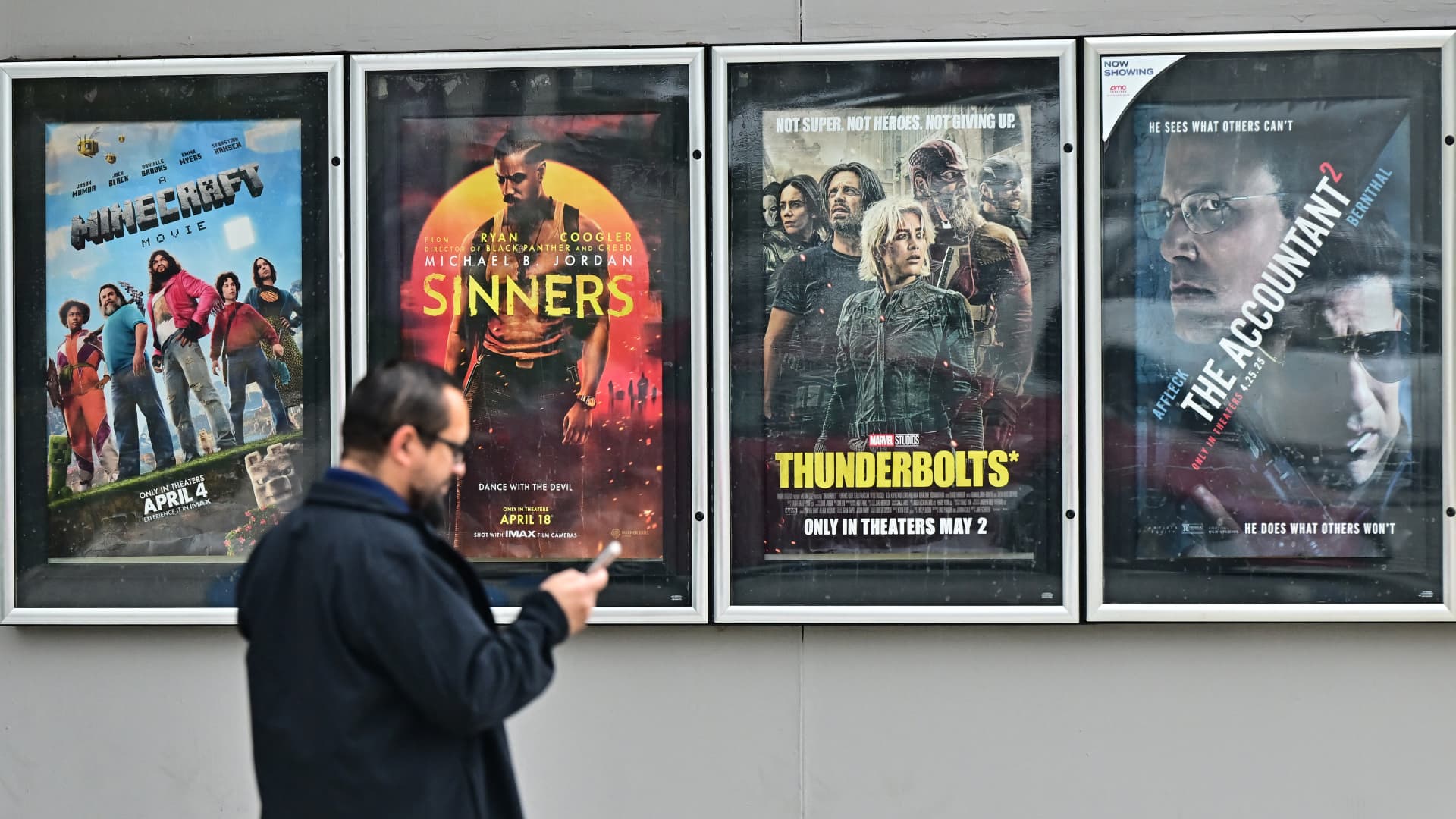
Netflix’s Acquisition of Warner Bros. Discovery Sparks Concerns in the Movie Theater Industry
A recent deal between Netflix and Warner Bros. Discovery has sent shockwaves through the movie theater industry, with many exhibitors expressing concerns about the potential impact on their businesses. The acquisition, which brings an end to a months-long bidding process, has raised fears that Netflix’s unconventional approach to film distribution could lead to a decline in the number of movies made available to cinemas and a significant decrease in annual box office ticket sales.
The movie theater industry is still reeling from the effects of the pandemic, with many cinemas struggling to recover from production shutdowns and dual labor strikes that halted film shoots and delayed movie releases. The industry has not yet returned to pre-pandemic release numbers or box office ticket sales, and there are worries that it never will. The acquisition of Warner Bros. Discovery by Netflix has added to these concerns, with many fearing that the streaming giant’s business model is not compatible with the traditional theatrical distribution model.
The Potential Impact on Theatrical Releases
Netflix’s acquisition of Warner Bros. Discovery has sparked concerns that the streaming giant will reduce the number of films made available to cinemas and shorten the theatrical windows for would-be major releases. This could have a devastating impact on the movie theater industry, which relies heavily on blockbuster releases to drive ticket sales. Cinema United, the world’s largest exhibition trade association, has come out strongly against the sale, stating that it poses an unprecedented threat to the global exhibition business.
The organization’s CEO, Michael O’Leary, has expressed concerns that the deal could lead to a significant decline in the number of films made available to cinemas and a decrease in annual box office ticket sales. He has also warned that smaller theater chains and independent cinemas could be particularly vulnerable to the impact of the acquisition. O’Leary has stated that Cinema United will be pulling all the levers it can to try to prevent the deal from going through, including talking to people at the federal, state, and international levels.
A Changing Landscape for Theatrical Distribution
The acquisition of Warner Bros. Discovery by Netflix is likely to have a significant impact on the theatrical distribution landscape. Netflix has never adhered to conventional theatrical distribution, and its business model is focused on delivering content to its subscribers as quickly as possible. This could lead to shorter theatrical windows and a reduction in the number of films made available to cinemas. The streaming giant’s co-CEO, Ted Sarandos, has stated that planned Warner Bros. releases will continue to go to theaters, but he has also expressed a desire to shorten exclusive theatrical windows.
This has raised concerns among exhibitors, who rely on longer theatrical windows to drive ticket sales. The average theatrical window has already fallen to 30-45 days, down from 70-90 days prior to the pandemic. Netflix’s approach to theatrical distribution could lead to even shorter windows, which could have a devastating impact on the movie theater industry. As the industry waits to see how the acquisition will play out, one thing is clear: the landscape of theatrical distribution is changing, and the impact on the movie theater industry will be significant.


Community Mentorship Programs Help Strengthen Local Workforce and Social Impact

Low-Code Platforms are Changing How Businesses Build Internal Technology

Microlearning in Employee Training: A Practical Approach to Workplace Skill Development

Decision-Making Frameworks Improve Strategic Leadership and Organizational Clarity

Career Ladder Programs Strengthen Workforce Development and Employee Retention

Workplace Recognition Programs Improve Organizational Culture and Employee Engagement

Why Mental Endurance is Essential for Workplace Resilience

What Informational Interviews are and Why they Matter

How Emotional Intelligence Can Help You Manage Stress and Build Resilience

Interview with Dr. Kristy K. Taylor, WORxK Global News Magazine Founder

Sarah Herrlinger Talks AirPods Pro Hearing Aid

NetWork Your Way to Success: Top Tips for Maximizing Your Professional Network

Unlocking Human Potential: Kim Groshek’s Journey to Transforming Leadership and Stress Resilience

The Power of Belonging: Why Feeling Accepted Matters in the Workplace

Health-care stocks fall after Warren PBM bill, Brian Thompson shooting

Glenda Benevides: Creating Global Impact Through Music
-
 Resiliency7 months ago
How Emotional Intelligence Can Help You Manage Stress and Build Resilience
-
 Career Advice1 year ago
Interview with Dr. Kristy K. Taylor, WORxK Global News Magazine Founder
-
 Diversity and Inclusion (DEIA)1 year ago
Sarah Herrlinger Talks AirPods Pro Hearing Aid
-
 Career Advice1 year ago
NetWork Your Way to Success: Top Tips for Maximizing Your Professional Network
-
 Changemaker Interviews1 year ago
Unlocking Human Potential: Kim Groshek’s Journey to Transforming Leadership and Stress Resilience
-
 Diversity and Inclusion (DEIA)1 year ago
The Power of Belonging: Why Feeling Accepted Matters in the Workplace
-
 Global Trends and Politics1 year ago
Health-care stocks fall after Warren PBM bill, Brian Thompson shooting
-
 Changemaker Interviews12 months ago
Glenda Benevides: Creating Global Impact Through Music