
Innovation and Technology
New Mexico Is Building A Quantum Computing Hub

Welcome to this week’s edition of The Prototype, where we delve into the latest advancements in technology and innovation. In this article, we’ll explore New Mexico’s ambitious plans to establish a quantum computing ecosystem, a startup that’s pioneering a novel approach to converting methane into clean fuel, and a groundbreaking discovery that could revolutionize the way we heal wounds. To stay up-to-date with the latest news and trends in the tech world, be sure to sign up for our newsletter.
New Mexico’s Quantum Computing Initiative
New Mexico is partnering with the Pentagon’s Defense Advanced Research Projects Agency (DARPA) to invest in quantum computing, with each entity committing up to $60 million over the next four years. This significant investment aims to develop quantum computers capable of solving complex problems that are currently beyond the reach of conventional processors. While the funding may seem modest compared to the vast amounts being poured into AI research, it’s a substantial boost for the emerging field of quantum computing, which received less than $2 billion in global government support last year.
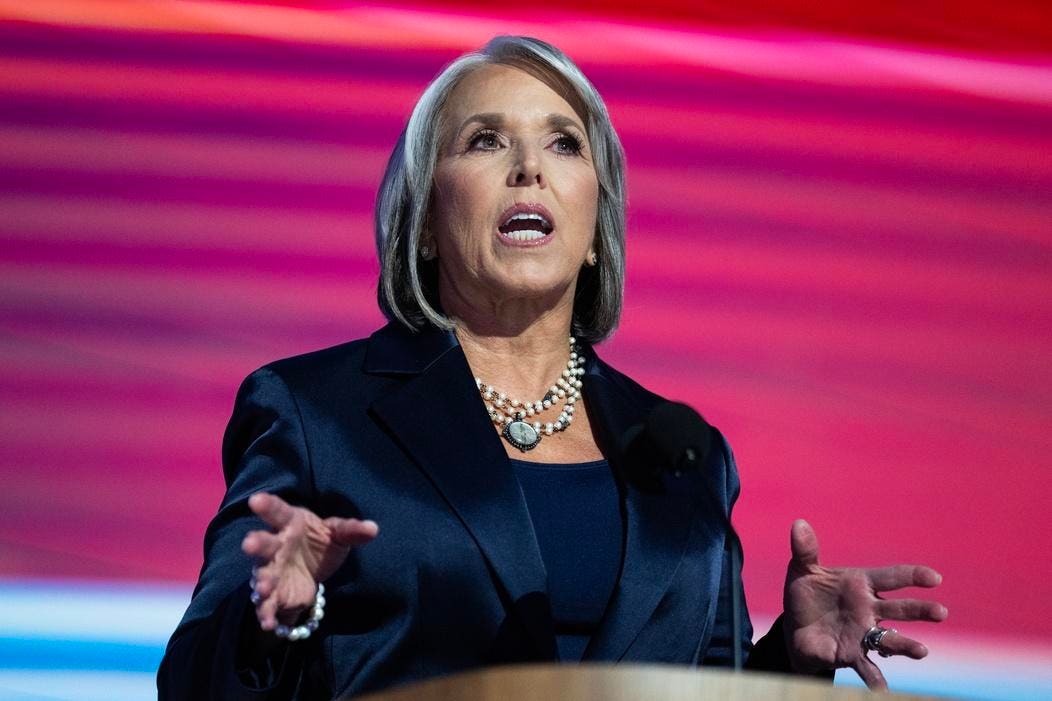
This initiative is part of a broader effort to transform New Mexico into a quantum computing hub. The state has already launched a $25 million venture studio in collaboration with Roadrunner Venture Studios, which will focus on building infrastructure such as a quantum network, lab testbeds, and a prototype facility. This will attract quantum startups to a campus being developed in Albuquerque. According to New Mexico Governor Michelle Lujan Grisham, the state is keen to support quantum computing due to its potential to revolutionize sectors like renewable energy and healthcare. The presence of two federal national labs in the state provides a rich talent pool, with more PhDs per capita than any other state.
Converting Methane into Clean Fuel
Methanol is a versatile fuel that powers a wide range of vehicles, from race cars to large ships, producing minimal soot and particulate emissions. However, the traditional method of producing methanol is far from clean, resulting in significant carbon emissions and pollutants. Emmanuel Kasseris, founder of Emvolon, is working to change this. His company repurposes diesel engines to break down methane into carbon monoxide and hydrogen, which are then converted into methanol. This process takes place in a modular facility that can fit inside a shipping container and costs less than $10 million to build.
The compact footprint of Emvolon’s technology allows for rapid scaling by siting machines near landfills, industrial sites, farms, or other areas that emit large amounts of methane. The company’s pilot plant in Woburn, MA, already produces 6 barrels of methanol daily. Emvolon has announced a collaboration with commodities merchant Freepoint to accelerate methanol production and distribution. This partnership follows the launch of a joint venture with energy company Montauk Renewables to develop multiple manufacturing sites, starting with a project in Texas.
Electricity and Wound Healing
Researchers at Trinity College Dublin have made a groundbreaking discovery that could lead to faster wound healing. By applying electrical stimulation to macrophages, a type of white blood cell that works with the immune system, they found that wounds healed more quickly and with less inflammation. This breakthrough has the potential to revolutionize the way we approach wound care and could lead to new treatments for a range of conditions.
Other News and Updates
In other news, space startup Interlune is developing technology to mine the Moon for Helium-3, a rare isotope used in security scanners, medical imaging, and quantum computers. Alphabet subsidiary Waymo is pushing the boundaries of self-driving car technology, with revenues that could rival those of its sister company Google. Amazon’s Project Kuiper, a rival to SpaceX’s Starlink, has published a video demonstrating its 100+ satellite network’s gigabit speeds, which are approximately 3-4 times faster than Starlink.
Pro Science Tip: Walking and Back Pain
If you’re struggling with lower back pain, you might want to consider going for a walk. A recent study found that adults who walked over 100 minutes a day had a 23% lower risk of chronic lower back pain. The research suggests that the time spent walking is more important for reducing pain than the speed at which you walk. So, lace up your shoes and get moving – your back will thank you!




Community Mentorship Programs Help Strengthen Local Workforce and Social Impact

Low-Code Platforms are Changing How Businesses Build Internal Technology

Microlearning in Employee Training: A Practical Approach to Workplace Skill Development

Decision-Making Frameworks Improve Strategic Leadership and Organizational Clarity

Career Ladder Programs Strengthen Workforce Development and Employee Retention

Workplace Recognition Programs Improve Organizational Culture and Employee Engagement

Why Mental Endurance is Essential for Workplace Resilience

What Informational Interviews are and Why they Matter

How Emotional Intelligence Can Help You Manage Stress and Build Resilience

Interview with Dr. Kristy K. Taylor, WORxK Global News Magazine Founder

Sarah Herrlinger Talks AirPods Pro Hearing Aid

NetWork Your Way to Success: Top Tips for Maximizing Your Professional Network

Unlocking Human Potential: Kim Groshek’s Journey to Transforming Leadership and Stress Resilience

The Power of Belonging: Why Feeling Accepted Matters in the Workplace

Health-care stocks fall after Warren PBM bill, Brian Thompson shooting

Glenda Benevides: Creating Global Impact Through Music
-
 Resiliency7 months ago
How Emotional Intelligence Can Help You Manage Stress and Build Resilience
-
 Career Advice1 year ago
Interview with Dr. Kristy K. Taylor, WORxK Global News Magazine Founder
-
 Diversity and Inclusion (DEIA)1 year ago
Sarah Herrlinger Talks AirPods Pro Hearing Aid
-
 Career Advice1 year ago
NetWork Your Way to Success: Top Tips for Maximizing Your Professional Network
-
 Changemaker Interviews1 year ago
Unlocking Human Potential: Kim Groshek’s Journey to Transforming Leadership and Stress Resilience
-
 Diversity and Inclusion (DEIA)1 year ago
The Power of Belonging: Why Feeling Accepted Matters in the Workplace
-
 Global Trends and Politics1 year ago
Health-care stocks fall after Warren PBM bill, Brian Thompson shooting
-
 Changemaker Interviews12 months ago
Glenda Benevides: Creating Global Impact Through Music