
Organizational Culture
No More Silence: Why Honest Feedback Is the Secret to Thriving Teams

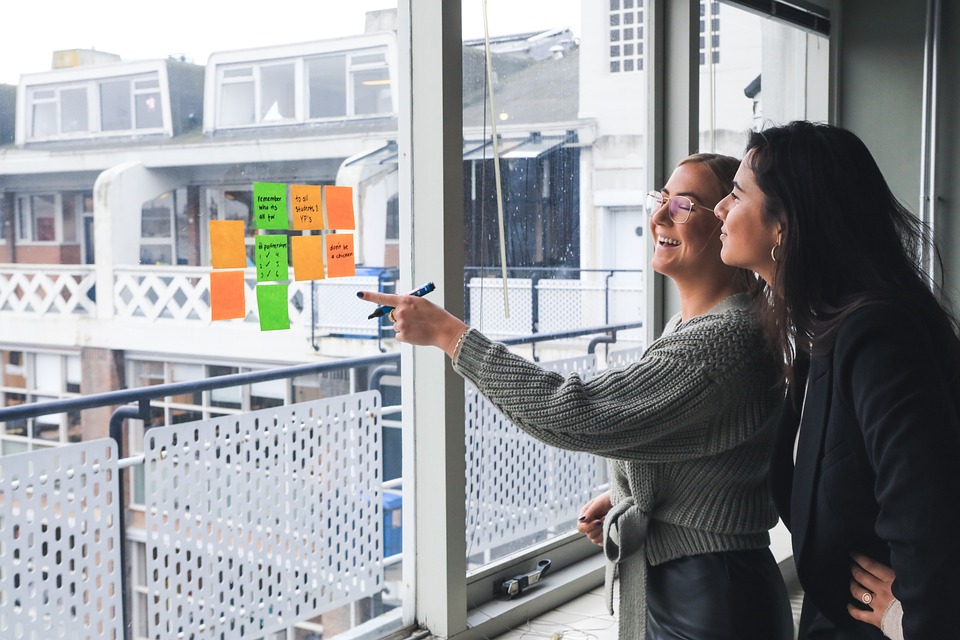
It’s one of the most talked-about workplace values—and one of the hardest to get right: feedback.
We say we want it. We promise to give it. We build systems for it. But in many organizations, feedback is still filtered, softened, delayed—or avoided altogether. And when that happens, teams don’t just lose out on growth. They lose trust.
The way your workplace handles feedback—both giving and receiving it—says more about your culture than your mission statement ever will.
Feedback Isn’t Just a Tool. It’s a Culture Signal.
When feedback flows freely, it tells employees:
-
It’s safe to speak up
-
Growth is expected, not punished
-
Mistakes are part of the process
-
You don’t have to be perfect to be valuable
On the other hand, when feedback is rare, vague, or overly cautious, people learn to play it safe. They stop asking questions. They stop sharing ideas. They start protecting themselves.
That doesn’t just affect performance—it erodes trust over time.
Why Most Feedback Cultures Fall Flat
Many organizations get stuck in one of two places:
-
Feedback as performance review theater – where “feedback” only happens once or twice a year, wrapped in corporate language and HR forms.
-
Feedback as conflict – where it’s either too blunt, too personal, or weaponized instead of developmental.
In both cases, employees aren’t getting what they really need: timely, clear, human feedback that helps them do better—not just feel judged.
What a Healthy Feedback Culture Actually Looks Like
You’ll know you’re building the right kind of culture when:
-
Feedback happens in real time, not just in meetings
-
Managers ask for feedback as often as they give it
-
Praise is specific and tied to behaviors, not just effort
-
Constructive feedback is delivered with respect—and received with curiosity
-
Peer-to-peer feedback is encouraged, not awkward or off-limits
And most importantly, when mistakes or tensions arise, the team handles them through communication—not silence or avoidance.
Want to Build That Kind of Culture? Start Here.
1. Normalize Micro-Feedback
Encourage short, specific feedback exchanges regularly—after a meeting, a presentation, or a project. It lowers the stakes and builds comfort.
2. Train Managers to Model It
If leaders can’t receive honest feedback, no one else will either. It starts at the top.
3. Make Feedback Part of the Workflow
Don’t isolate it. Build it into team huddles, project retros, and even onboarding.
4. Reward Psychological Safety
Recognize and reward behaviors that create openness: speaking up, asking tough questions, or admitting when something didn’t work.
Final Thought
You don’t need a fancy tool or a new HR policy to build a culture of feedback. You need consistent behavior, clear expectations, and the willingness to be a little uncomfortable—for the sake of growth.
Because in a strong culture, feedback isn’t personal—it’s a sign that we care enough to help each other improve.


Community Mentorship Programs Help Strengthen Local Workforce and Social Impact

Low-Code Platforms are Changing How Businesses Build Internal Technology

Microlearning in Employee Training: A Practical Approach to Workplace Skill Development

Decision-Making Frameworks Improve Strategic Leadership and Organizational Clarity

Career Ladder Programs Strengthen Workforce Development and Employee Retention

Workplace Recognition Programs Improve Organizational Culture and Employee Engagement

Why Mental Endurance is Essential for Workplace Resilience

What Informational Interviews are and Why they Matter

How Emotional Intelligence Can Help You Manage Stress and Build Resilience

Interview with Dr. Kristy K. Taylor, WORxK Global News Magazine Founder

Sarah Herrlinger Talks AirPods Pro Hearing Aid

NetWork Your Way to Success: Top Tips for Maximizing Your Professional Network

Unlocking Human Potential: Kim Groshek’s Journey to Transforming Leadership and Stress Resilience

The Power of Belonging: Why Feeling Accepted Matters in the Workplace

Health-care stocks fall after Warren PBM bill, Brian Thompson shooting

Glenda Benevides: Creating Global Impact Through Music
-
 Resiliency7 months ago
How Emotional Intelligence Can Help You Manage Stress and Build Resilience
-
 Career Advice1 year ago
Interview with Dr. Kristy K. Taylor, WORxK Global News Magazine Founder
-
 Diversity and Inclusion (DEIA)1 year ago
Sarah Herrlinger Talks AirPods Pro Hearing Aid
-
 Career Advice1 year ago
NetWork Your Way to Success: Top Tips for Maximizing Your Professional Network
-
 Changemaker Interviews1 year ago
Unlocking Human Potential: Kim Groshek’s Journey to Transforming Leadership and Stress Resilience
-
 Diversity and Inclusion (DEIA)1 year ago
The Power of Belonging: Why Feeling Accepted Matters in the Workplace
-
 Global Trends and Politics1 year ago
Health-care stocks fall after Warren PBM bill, Brian Thompson shooting
-
 Changemaker Interviews12 months ago
Glenda Benevides: Creating Global Impact Through Music