
Diversity and Inclusion (DEIA)
One in Three Neurodivergent Workers Worry They’ll Be Fired

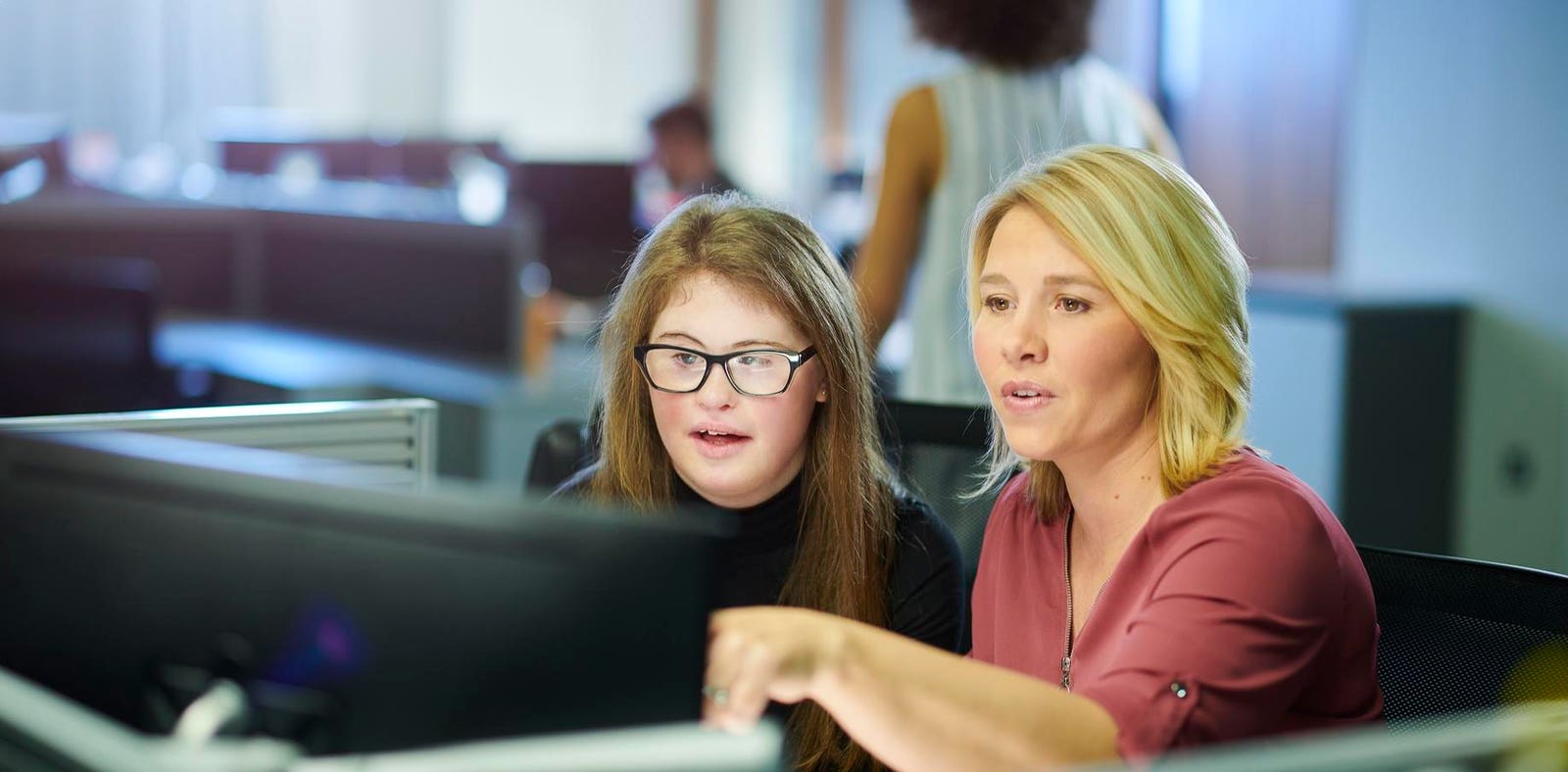
A New Study Shows that the Workplace Remains a Challenging Environment for Neurodivergent Employees
Over 50% of the population is expected to be diagnosed with a mental health disorder in their lifetime. One-third of Americans say work is adversely impacting their mental health, and 80% say they feel stress at work. The incidences of burnout have risen from 43% in 2022 to 62% in 2023. Across the board, 78% of workers don’t think their employer is doing enough to address their mental wellness at work (up 3% from 2023). And a new report from EduBirdie finds that the workplace remains an especially challenging culture for neurodivergent workers.
New Research On Neurodivergent Workers
EduBirdie surveyed 2,000 people between the ages of 20 to 40 with neurodivergent conditions (autism, ADHD, dyslexia, dysgraphia, dyspraxia, Tourette’s syndrome, mental health disorders and others) to understand how these conditions have affected their professional lives. Results reveal alarming struggles of neurodivergent workers. The main findings include:
- One in three neurodivergent workers worry they’ll be fired if they share their condition.
- One in four have experienced bullying or harassment in the workplace.
- 75% feel that hiring processes are biased—either they’re overlooked because of their condition or hired merely to meet inclusivity quotas.
- Half choose not to disclose their neurodivergence during job interviews, worried it will hurt their chances.
- 42% only reveal their condition when necessary, and 91% mask their symptoms at work, even after getting the job.
- Over half of neurodivergent workers have faced mistreatment.
- 55% feel unsupported at work, while 40% say their condition impacts their salary and finances.
- 69% struggle with impostor syndrome, fearing they’re seen as “diversity hires” instead of being recognized for their skills.
- Yet, 82% of neurodivergent workers believe their condition enhances their abilities, such as attention to detail, strong visual thinking, better memory, and creativity.
How To Advocate For Neurodivergent Workers
Morgan shared with me four tips for employers on how to advocate for greater inclusivity for neurodivergent workers.
- Provide flexible work arrangements. “Accommodations such as flexible hours, remote work options, or quiet spaces aren’t just perks—they can be essential for neurodivergent employees to perform at their best,” Morgan professes. “These adjustments help individuals manage sensory sensitivities, fluctuating energy levels, or concentration needs. Employers should also provide autonomy over work environments to allow for adaptations that suit individual preferences, such as noise-canceling headphones or alternative communication methods.”
- Recognize unique strengths. Morgan urges employers to recognize that supporting neurodivergent employees isn’t about making exceptions—it’s about tapping into valuable, often overlooked skills. “Neurodivergent workers can bring strengths like attention to detail, creative problem-solving or superior memory to the workplace,” she points out. “That’s why interview processes should prioritize practical skills assessments over traditional formats, and career development should focus on employees’ strengths by offering tailored growth opportunities.”
- Encourage open and honest dialogue. Many neurodivergent employees hesitate to disclose their condition due to stigma or fear of negative consequences, according to Morgan. “Creating a culture where discussing neurodiversity is not only accepted but encouraged can significantly reduce this anxiety,” she insists. “Employers can promote openness by establishing clear anti-bullying policies, offering mental health resources and providing training to foster an atmosphere of respect and support.”
- Cultivate an inclusive workplace culture. Morgan underscores that social aspects like team lunches or small talk can be draining for neurodivergent employees. She suggests that instead of relying on unwritten norms, make workplace expectations explicit and inclusive. “Offer alternative team bonding activities and train managers and staff on neurodiversity awareness to better understand and accommodate different communication styles,” she concludes.
A Final Takeaway On Neurodivergent Workers
“While there may be times when working with various conditions feels like a disadvantage, I am reminded of Apple’s iconic ‘Think Different’ campaign, which embraced creativity and non-conformity,” Morgan says. “It encouraged people not just to think differently but to embrace being different. Shouldn’t this still be the motto?”
The finding that 82% of neurodivergent workers believe their condition enhances their abilities—such as attention to detail, strong visual thinking, better memory and creativity—underscores the importance of their contributions. “Every manager aims to assemble teams with a unique combination of skills and talents, and inclusivity is essential to building a winning team,” Morgan concludes. “In the right environment, and with the right support, being different is not a barrier to success.”
Conclusion
The study highlights the challenges faced by neurodivergent workers in the workplace, including fear of being fired, bullying, and mistreatment. Employers can play a crucial role in creating a more inclusive environment by providing flexible work arrangements, recognizing unique strengths, encouraging open dialogue, and cultivating a culture of respect and support.
FAQs
Q: What are some common neurodivergent conditions?
A: Some common neurodivergent conditions include autism, ADHD, dyslexia, dysgraphia, dyspraxia, Tourette’s syndrome, and mental health disorders.
Q: What are some strategies for supporting neurodivergent employees?
A: Some strategies for supporting neurodivergent employees include providing flexible work arrangements, recognizing unique strengths, encouraging open dialogue, and cultivating a culture of respect and support.
Q: Why is it important to recognize the strengths of neurodivergent employees?
A: Recognizing the strengths of neurodivergent employees is important because it allows employers to tap into valuable skills and abilities that may be overlooked in traditional hiring processes. It also helps to create a more inclusive and supportive work environment.




Community Mentorship Programs Help Strengthen Local Workforce and Social Impact

Low-Code Platforms are Changing How Businesses Build Internal Technology

Microlearning in Employee Training: A Practical Approach to Workplace Skill Development

Decision-Making Frameworks Improve Strategic Leadership and Organizational Clarity

Career Ladder Programs Strengthen Workforce Development and Employee Retention

Workplace Recognition Programs Improve Organizational Culture and Employee Engagement

Why Mental Endurance is Essential for Workplace Resilience

What Informational Interviews are and Why they Matter

How Emotional Intelligence Can Help You Manage Stress and Build Resilience

Interview with Dr. Kristy K. Taylor, WORxK Global News Magazine Founder

Sarah Herrlinger Talks AirPods Pro Hearing Aid

NetWork Your Way to Success: Top Tips for Maximizing Your Professional Network

Unlocking Human Potential: Kim Groshek’s Journey to Transforming Leadership and Stress Resilience

The Power of Belonging: Why Feeling Accepted Matters in the Workplace

Health-care stocks fall after Warren PBM bill, Brian Thompson shooting

Glenda Benevides: Creating Global Impact Through Music
-
 Resiliency7 months ago
How Emotional Intelligence Can Help You Manage Stress and Build Resilience
-
 Career Advice1 year ago
Interview with Dr. Kristy K. Taylor, WORxK Global News Magazine Founder
-
 Diversity and Inclusion (DEIA)1 year ago
Sarah Herrlinger Talks AirPods Pro Hearing Aid
-
 Career Advice1 year ago
NetWork Your Way to Success: Top Tips for Maximizing Your Professional Network
-
 Changemaker Interviews1 year ago
Unlocking Human Potential: Kim Groshek’s Journey to Transforming Leadership and Stress Resilience
-
 Diversity and Inclusion (DEIA)1 year ago
The Power of Belonging: Why Feeling Accepted Matters in the Workplace
-
 Global Trends and Politics1 year ago
Health-care stocks fall after Warren PBM bill, Brian Thompson shooting
-
 Changemaker Interviews12 months ago
Glenda Benevides: Creating Global Impact Through Music