
Innovation and Technology
OpenAI’s Latest Move: A Game-Changer in the AI Landscape

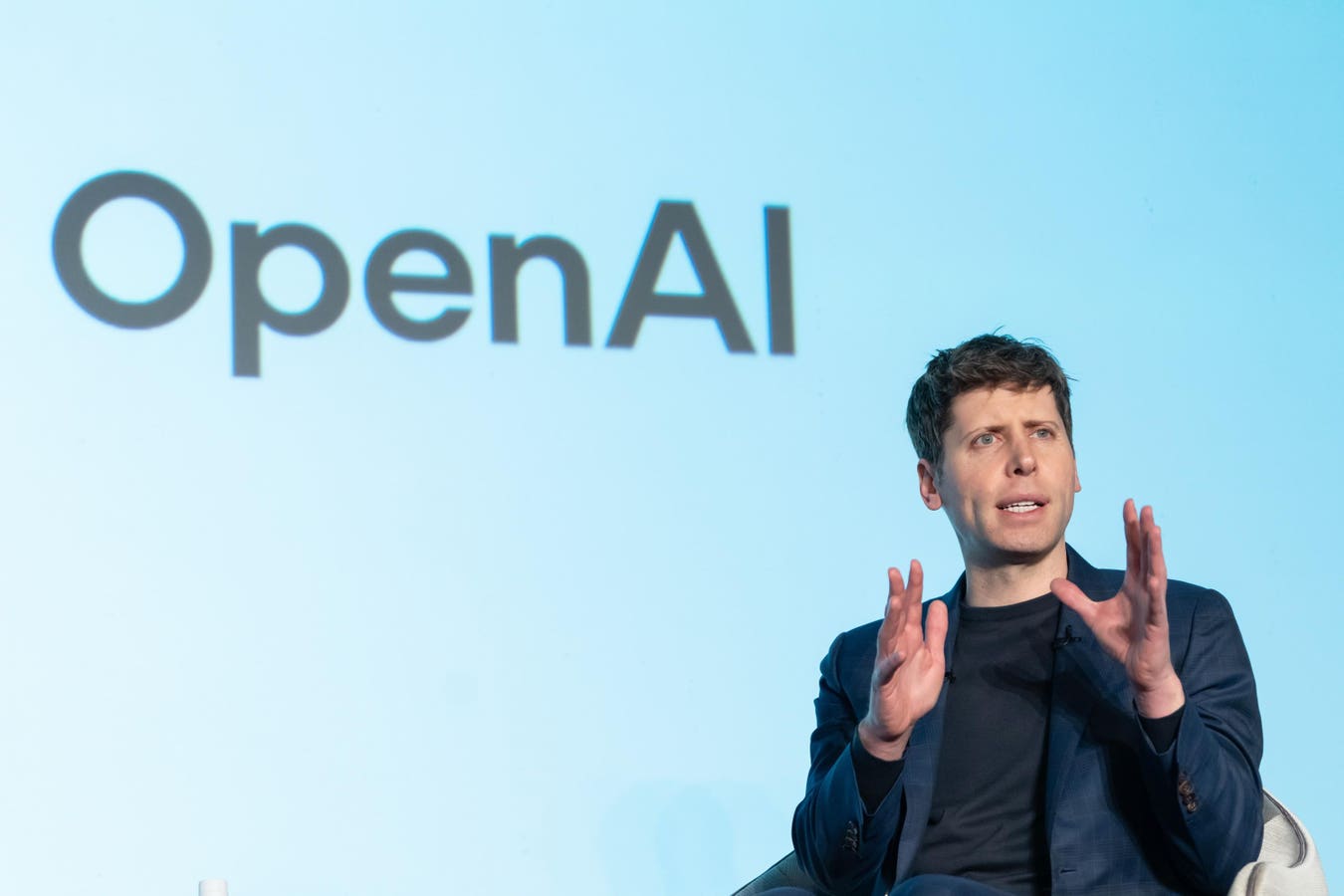
The artificial intelligence landscape has witnessed a significant shift with OpenAI’s release of two new open-source models, gpt-oss-120b and gpt-oss-20b. This move marks a major departure from the company’s previous approach, which focused on closed-source and expensive models. The introduction of these open-source alternatives is expected to have far-reaching implications for the AI industry, particularly in the context of the ongoing U.S.-China AI competition.
Understanding the New Models
The gpt-oss-120b and gpt-oss-20b models are designed for reasoning tasks, tool use, and agentic capabilities, with a 128K context window. These models can run on a laptop or smartphone, making them highly accessible. However, it’s worth noting that they are text-only and do not support multimodal inputs such as images or video. The fact that they can be downloaded, customized, and deployed locally under the permissive Apache 2.0 license is a significant advantage, offering companies a powerful new option for on-premise and cost-effective deployment.
Developer Feedback and Performance
Early feedback from developers has been largely positive, with many impressed by the models’ efficiency and performance on consumer hardware. For instance, the gpt-oss-20b model can run on a high-end laptop with a 16GB GPU, demonstrating near-parity with OpenAI’s proprietary models on reasoning benchmarks. While some developers have noted potential performance issues, these new models are remarkably strong initial efforts and are highly competitive with leading Chinese open-source models.
Implications for the AI Industry
The release of these open-source models has significant implications for the AI industry. Firstly, it represents a major advance in the U.S.-China AI competition, with OpenAI’s latest offerings narrowing the gap with Chinese open-source models. Secondly, OpenAI is now a credible option for on-premise GenAI deployments, particularly for companies in regulated industries that require sensitive processes to be implemented on-premise. Finally, these models offer a viable alternative for companies that need to run local AI models on physical products such as cars, smartphones, and consumer electronics.
Key Takeaways for AI Leaders
AI leaders should take note of these developments and consider the implications for their organizations. It’s essential to encourage AI teams to test OpenAI’s new open-source models, particularly if on-premise deployment is a priority. Additionally, these models can be used to lower the total cost of ownership for AI applications in production, making them an attractive option for companies looking to manage increasing costs. By contributing improvements to these open-source models, organizations can also help maintain U.S. competitiveness in the AI race against China.


Community Mentorship Programs Help Strengthen Local Workforce and Social Impact

Low-Code Platforms are Changing How Businesses Build Internal Technology

Microlearning in Employee Training: A Practical Approach to Workplace Skill Development

Decision-Making Frameworks Improve Strategic Leadership and Organizational Clarity

Career Ladder Programs Strengthen Workforce Development and Employee Retention

Workplace Recognition Programs Improve Organizational Culture and Employee Engagement

Why Mental Endurance is Essential for Workplace Resilience

What Informational Interviews are and Why they Matter

How Emotional Intelligence Can Help You Manage Stress and Build Resilience

Interview with Dr. Kristy K. Taylor, WORxK Global News Magazine Founder

Sarah Herrlinger Talks AirPods Pro Hearing Aid

NetWork Your Way to Success: Top Tips for Maximizing Your Professional Network

Unlocking Human Potential: Kim Groshek’s Journey to Transforming Leadership and Stress Resilience

The Power of Belonging: Why Feeling Accepted Matters in the Workplace

Health-care stocks fall after Warren PBM bill, Brian Thompson shooting

Glenda Benevides: Creating Global Impact Through Music
-
 Resiliency7 months ago
How Emotional Intelligence Can Help You Manage Stress and Build Resilience
-
 Career Advice1 year ago
Interview with Dr. Kristy K. Taylor, WORxK Global News Magazine Founder
-
 Diversity and Inclusion (DEIA)1 year ago
Sarah Herrlinger Talks AirPods Pro Hearing Aid
-
 Career Advice1 year ago
NetWork Your Way to Success: Top Tips for Maximizing Your Professional Network
-
 Changemaker Interviews1 year ago
Unlocking Human Potential: Kim Groshek’s Journey to Transforming Leadership and Stress Resilience
-
 Diversity and Inclusion (DEIA)1 year ago
The Power of Belonging: Why Feeling Accepted Matters in the Workplace
-
 Global Trends and Politics1 year ago
Health-care stocks fall after Warren PBM bill, Brian Thompson shooting
-
 Changemaker Interviews12 months ago
Glenda Benevides: Creating Global Impact Through Music