
Diversity and Inclusion (DEIA)
Protecting Diversity, Equity, and Inclusion

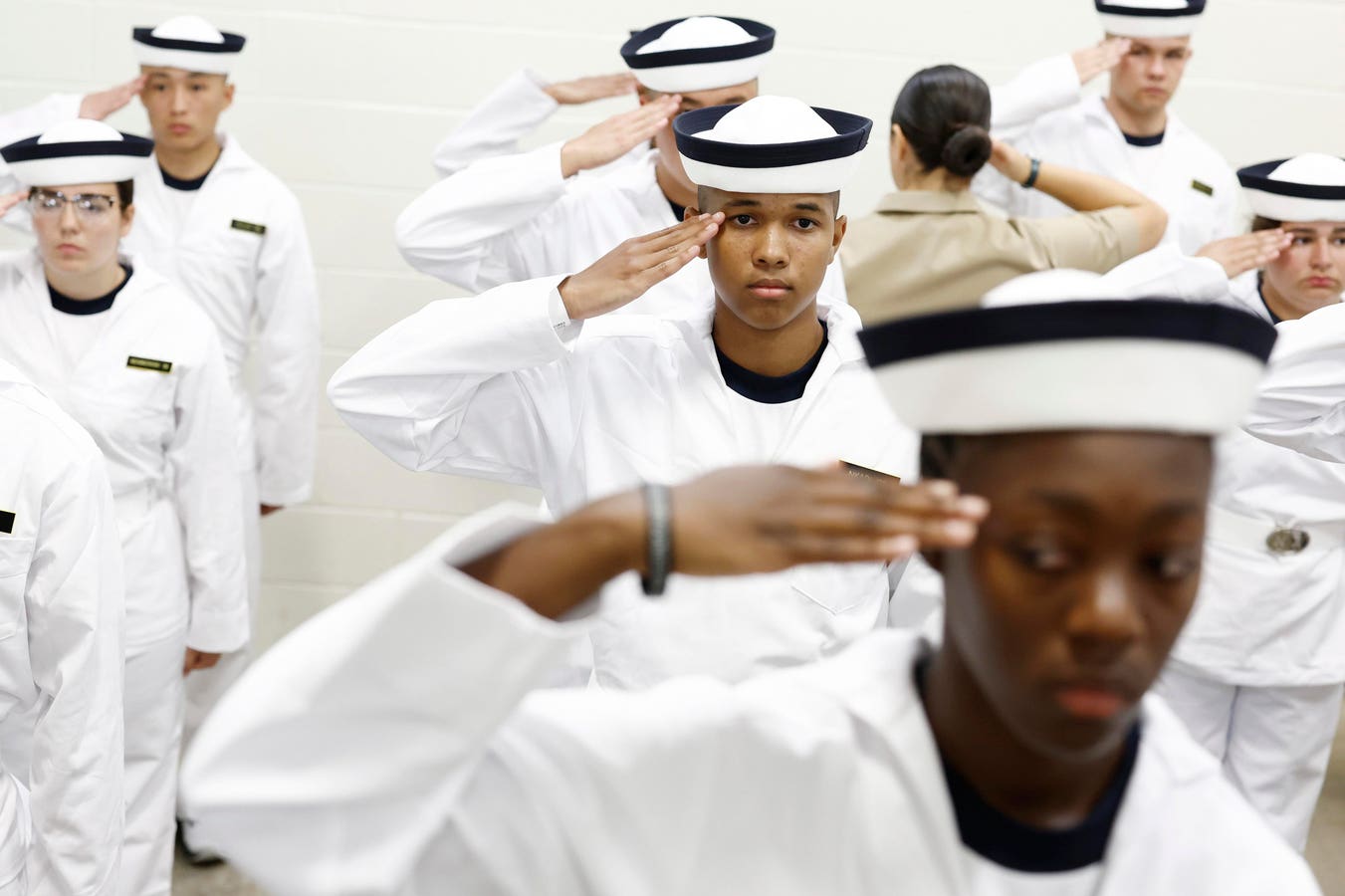
Naval Academy’s Class of 2028 Induction Day
DEI As Mission Critical, Serving Strategic Interests
The Naval Academy persuaded the court that using applicants’ race in admissions furthers a compelling strategic national interest, citing research-backed evidence that a lack of diversity in military leadership jeopardizes cohesion and performance of its units.
The Naval Academy uses race in personnel decisions (admission to officer training) directly linked to the mission critical need for diversity (having a more diverse leadership in warfare communities). The ruling indicates that there was considerable debate about the link between diversity and effectiveness in mission critical activities, and that the court deferred to military judgment citing “the judiciary’s limited competence to evaluate military determinations.”
Measurability Strengthens DEI Defensibility
The Naval Academy persuaded the court by demonstrating a link between its DEI efforts and measurable strategic activities, distinguishing itself from broader claims like Harvard’s interest in “diversity on campus,” as the ruling noted. That is, the Academy directly tied its use of race-conscious admissions to measurable improvements in mission-critical outcomes, such as improved retention rates for racial and ethnic minorities at later career stages.
DEI As One Factor In Holistic Evaluations
The decision to allow the Naval Academy to keep using race in its admission process rested on the principle that race served only as one of many factors in assessing a candidate’s potential.
What To Expect Next
The ruling will likely be appealed, and new lawsuits by the same group, Students for Fair Admissions, are still unfolding against the United States Military Academy at West Point in New York and against the U.S. Air Force Academy in Colorado.
Conclusion
The Naval Academy’s victory underscores the importance of aligning DEI initiatives with mission-critical goals and supporting them with clear, evidence-based arguments. By focusing on measurable outcomes, aligning efforts with strategic goals, and incorporating diversity as one of many factors in decision-making, businesses can strengthen and defend their DEI programs, even in an increasingly challenging landscape.
FAQs
- How can businesses evaluate their DEI programs to ensure they are defensible?
- Consider how diversity in your workforce relates to your strategic goals.
- Target areas where a lack of diversity could undermine the achievement of mission-critical activities and strategic goals.
- Align your DEI efforts with measurable strategic activities and outcomes.
- How can businesses strengthen their DEI programs?
- Ensure DEI efforts are narrowly targeting mission-critical roles and units.
- Consider how your DEI efforts could expand your talent pool while maintaining rigorous selection standards.
- Address disparities in your process through holistic reviews, rather than relying on quotas.




Community Mentorship Programs Help Strengthen Local Workforce and Social Impact

Low-Code Platforms are Changing How Businesses Build Internal Technology

Microlearning in Employee Training: A Practical Approach to Workplace Skill Development

Decision-Making Frameworks Improve Strategic Leadership and Organizational Clarity

Career Ladder Programs Strengthen Workforce Development and Employee Retention

Workplace Recognition Programs Improve Organizational Culture and Employee Engagement

Why Mental Endurance is Essential for Workplace Resilience

What Informational Interviews are and Why they Matter

How Emotional Intelligence Can Help You Manage Stress and Build Resilience

Interview with Dr. Kristy K. Taylor, WORxK Global News Magazine Founder

Sarah Herrlinger Talks AirPods Pro Hearing Aid

NetWork Your Way to Success: Top Tips for Maximizing Your Professional Network

Unlocking Human Potential: Kim Groshek’s Journey to Transforming Leadership and Stress Resilience

The Power of Belonging: Why Feeling Accepted Matters in the Workplace

Health-care stocks fall after Warren PBM bill, Brian Thompson shooting

Glenda Benevides: Creating Global Impact Through Music
-
 Resiliency7 months ago
How Emotional Intelligence Can Help You Manage Stress and Build Resilience
-
 Career Advice1 year ago
Interview with Dr. Kristy K. Taylor, WORxK Global News Magazine Founder
-
 Diversity and Inclusion (DEIA)1 year ago
Sarah Herrlinger Talks AirPods Pro Hearing Aid
-
 Career Advice1 year ago
NetWork Your Way to Success: Top Tips for Maximizing Your Professional Network
-
 Changemaker Interviews1 year ago
Unlocking Human Potential: Kim Groshek’s Journey to Transforming Leadership and Stress Resilience
-
 Diversity and Inclusion (DEIA)1 year ago
The Power of Belonging: Why Feeling Accepted Matters in the Workplace
-
 Global Trends and Politics1 year ago
Health-care stocks fall after Warren PBM bill, Brian Thompson shooting
-
 Changemaker Interviews12 months ago
Glenda Benevides: Creating Global Impact Through Music