
Resiliency
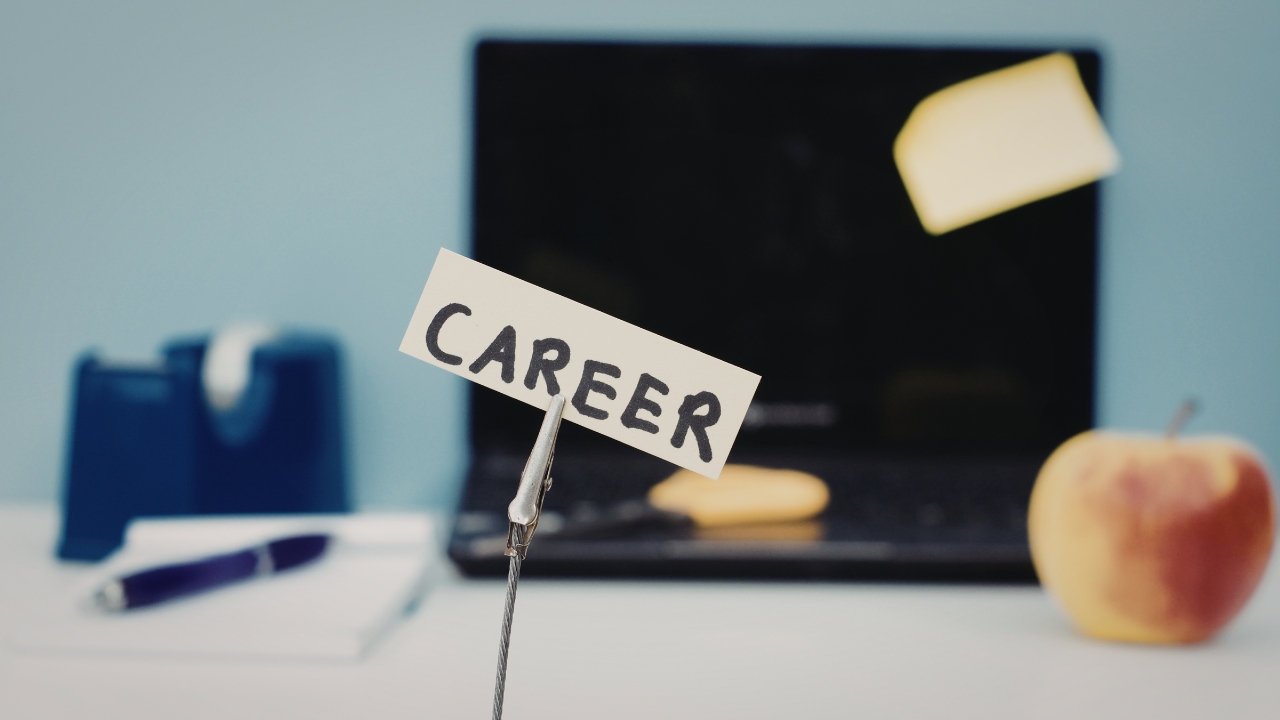
Recovering From Career Setbacks: Practical Strategies for Building Professional Resilience



Community and Social Impact7 hours ago
Community Mentorship Programs Help Strengthen Local Workforce and Social Impact

Innovation and Technology7 hours ago
Low-Code Platforms are Changing How Businesses Build Internal Technology

Training and Development7 hours ago
Microlearning in Employee Training: A Practical Approach to Workplace Skill Development

Strategic Leadership7 hours ago
Decision-Making Frameworks Improve Strategic Leadership and Organizational Clarity

Workforce Development7 hours ago
Career Ladder Programs Strengthen Workforce Development and Employee Retention

Organizational Culture7 hours ago
Workplace Recognition Programs Improve Organizational Culture and Employee Engagement

Resiliency8 hours ago
Why Mental Endurance is Essential for Workplace Resilience

Career Advice8 hours ago
What Informational Interviews are and Why they Matter

Resiliency7 months ago
How Emotional Intelligence Can Help You Manage Stress and Build Resilience

Career Advice1 year ago
Interview with Dr. Kristy K. Taylor, WORxK Global News Magazine Founder

Diversity and Inclusion (DEIA)1 year ago
Sarah Herrlinger Talks AirPods Pro Hearing Aid

Career Advice1 year ago
NetWork Your Way to Success: Top Tips for Maximizing Your Professional Network

Changemaker Interviews1 year ago
Unlocking Human Potential: Kim Groshek’s Journey to Transforming Leadership and Stress Resilience

Diversity and Inclusion (DEIA)1 year ago
The Power of Belonging: Why Feeling Accepted Matters in the Workplace

Global Trends and Politics1 year ago
Health-care stocks fall after Warren PBM bill, Brian Thompson shooting

Changemaker Interviews12 months ago
Glenda Benevides: Creating Global Impact Through Music
-
 Resiliency7 months ago
How Emotional Intelligence Can Help You Manage Stress and Build Resilience
-
 Career Advice1 year ago
Interview with Dr. Kristy K. Taylor, WORxK Global News Magazine Founder
-
 Diversity and Inclusion (DEIA)1 year ago
Sarah Herrlinger Talks AirPods Pro Hearing Aid
-
 Career Advice1 year ago
NetWork Your Way to Success: Top Tips for Maximizing Your Professional Network
-
 Changemaker Interviews1 year ago
Unlocking Human Potential: Kim Groshek’s Journey to Transforming Leadership and Stress Resilience
-
 Diversity and Inclusion (DEIA)1 year ago
The Power of Belonging: Why Feeling Accepted Matters in the Workplace
-
 Global Trends and Politics1 year ago
Health-care stocks fall after Warren PBM bill, Brian Thompson shooting
-
 Changemaker Interviews12 months ago
Glenda Benevides: Creating Global Impact Through Music