
Global Trends and Politics
Restaurant Brands International (QSR) Q2 2025 earnings

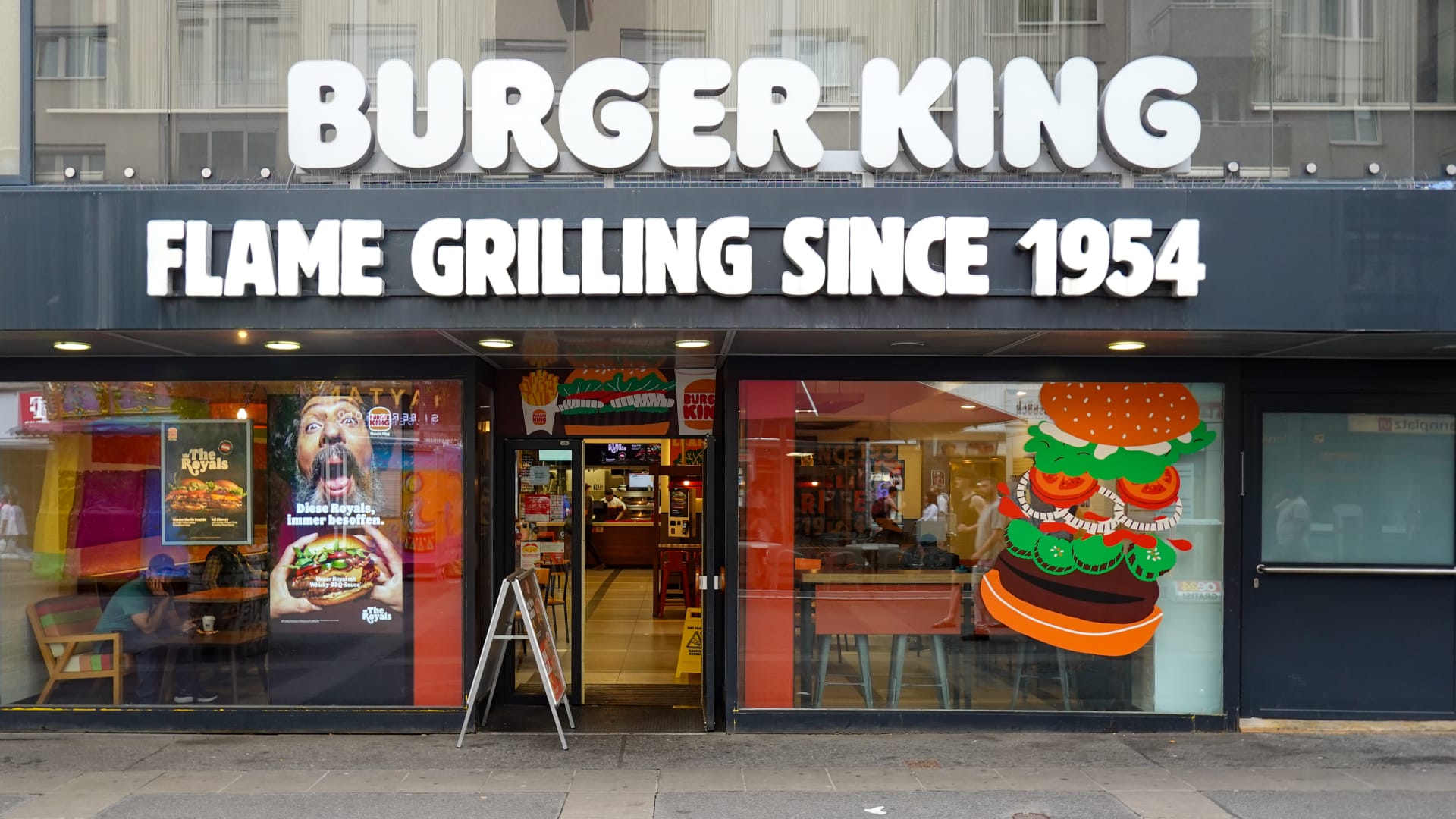
Introduction to Restaurant Brands International
Restaurant Brands International on Thursday reported mixed quarterly results, as same-store sales declines for Popeyes were offset by strong demand internationally and at Tim Hortons. Shares of the company fell more than 4% in morning trading.
Quarterly Results
Here’s what the company reported for the period ended June 30 compared with what Wall Street was expecting:
- Earnings per share: 94 cents adjusted vs. 97 cents expected
- Revenue: $2.41 billion vs. $2.32 billion expected
Restaurant Brands reported second-quarter net income attributable to shareholders of $189 million, or 57 cents per share, down from $280 million, or 88 cents per share, a year earlier. Excluding transaction costs from its acquisition of Burger King China and other one-time costs, the company earned 94 cents per share. Net sales climbed 16% to $2.41 billion.
Same-Store Sales
The company’s same-store sales, which only tracks the metric at restaurants open at least a year, rose 2.4% during the quarter. CEO Josh Kobza told CNBC that Restaurant Brands has seen a "modest improvement" in the consumer environment compared with the first quarter, when the company’s three largest brands saw same-store sales decline. This quarter, Restaurant Brands’ international restaurants reported same-store sales growth of 4.2%.
Brand Performance
Tim Hortons, which accounts for more than 40% of Restaurant Brands’ total revenue, reported same-store sales growth of 3.4%. In April, the Canadian coffee chain launched the Scrambled Eggs Loaded Breakfast Box, and the following month it brought actor Ryan Reynolds on to promote it, which executives called a "big success." Burger King reported same-store sales growth of 1.3%. Its U.S. division, which has been in turnaround mode for nearly three years, saw same-store sales increase by 1.5%. Burger King’s domestic marketing has focused on the Whopper and targeting families with offerings like its "How to Train Your Dragon" movie tie-in meal.
Challenges and Improvements
Popeyes was the laggard of the portfolio for the most recent quarter, reporting same-store sales declines of 1.4%. But the fried chicken chain’s results have improved compared with the first three months of the year, when its same-store sales slid 4%. To lift sales in the second half of the year, Popeyes has a "bunch of innovation" on its schedule, Kobza said. The chain has also been trying to improve its store operations. As beef prices rise and consumer preferences shift away from red meat, more fast-food chains have been leaning into chicken. McDonald’s released its McCrispy Strips and brought back its Snack Wraps, while Yum Brands’ Taco Bell launched Crispy Chicken Nuggets.
Outlook and Projections
For the full year, Restaurant Brands reiterated its forecast, anticipating that it will spend between $400 million and $450 million on consolidated capital expenditures, tenant inducements and other incentives. The company also said that it still expects to reach its long-term algorithm, which projects 3% same-store sales growth and 8% organic adjusted operating income growth on average between 2024 and 2028.
Conclusion
Restaurant Brands International’s mixed quarterly results reflect the challenges and opportunities in the fast-food industry. While same-store sales declines at Popeyes pose a challenge, the strong performance of Tim Hortons and international growth offer positive signs. The company’s efforts to innovate and improve operations across its brands will be crucial in navigating the competitive landscape and meeting its long-term projections.
FAQs
Q: What were the quarterly earnings per share for Restaurant Brands International?
A: The company reported 94 cents adjusted earnings per share.
Q: How did same-store sales perform for each of the company’s major brands?
A: Tim Hortons saw a 3.4% increase, Burger King had a 1.3% increase, and Popeyes experienced a 1.4% decline.
Q: What is the company’s outlook for the full year?
A: Restaurant Brands International expects to spend between $400 million and $450 million on consolidated capital expenditures and still aims to reach its long-term algorithm projecting 3% same-store sales growth and 8% organic adjusted operating income growth on average between 2024 and 2028.
Q: How is the fast-food industry trending in terms of consumer preferences?
A: There is a shift away from red meat towards chicken, with several major chains introducing new chicken-based menu items.
Q: What initiatives is Popeyes undertaking to improve its sales?
A: Popeyes has a pipeline of innovations scheduled for the second half of the year and is working on improving its store operations.


Community Mentorship Programs Help Strengthen Local Workforce and Social Impact

Low-Code Platforms are Changing How Businesses Build Internal Technology

Microlearning in Employee Training: A Practical Approach to Workplace Skill Development

Decision-Making Frameworks Improve Strategic Leadership and Organizational Clarity

Career Ladder Programs Strengthen Workforce Development and Employee Retention

Workplace Recognition Programs Improve Organizational Culture and Employee Engagement

Why Mental Endurance is Essential for Workplace Resilience

What Informational Interviews are and Why they Matter

How Emotional Intelligence Can Help You Manage Stress and Build Resilience

Interview with Dr. Kristy K. Taylor, WORxK Global News Magazine Founder

Sarah Herrlinger Talks AirPods Pro Hearing Aid

NetWork Your Way to Success: Top Tips for Maximizing Your Professional Network

Unlocking Human Potential: Kim Groshek’s Journey to Transforming Leadership and Stress Resilience

The Power of Belonging: Why Feeling Accepted Matters in the Workplace

Health-care stocks fall after Warren PBM bill, Brian Thompson shooting

Glenda Benevides: Creating Global Impact Through Music
-
 Resiliency7 months ago
How Emotional Intelligence Can Help You Manage Stress and Build Resilience
-
 Career Advice1 year ago
Interview with Dr. Kristy K. Taylor, WORxK Global News Magazine Founder
-
 Diversity and Inclusion (DEIA)1 year ago
Sarah Herrlinger Talks AirPods Pro Hearing Aid
-
 Career Advice1 year ago
NetWork Your Way to Success: Top Tips for Maximizing Your Professional Network
-
 Changemaker Interviews1 year ago
Unlocking Human Potential: Kim Groshek’s Journey to Transforming Leadership and Stress Resilience
-
 Diversity and Inclusion (DEIA)1 year ago
The Power of Belonging: Why Feeling Accepted Matters in the Workplace
-
 Global Trends and Politics1 year ago
Health-care stocks fall after Warren PBM bill, Brian Thompson shooting
-
 Changemaker Interviews12 months ago
Glenda Benevides: Creating Global Impact Through Music