
Global Trends and Politics
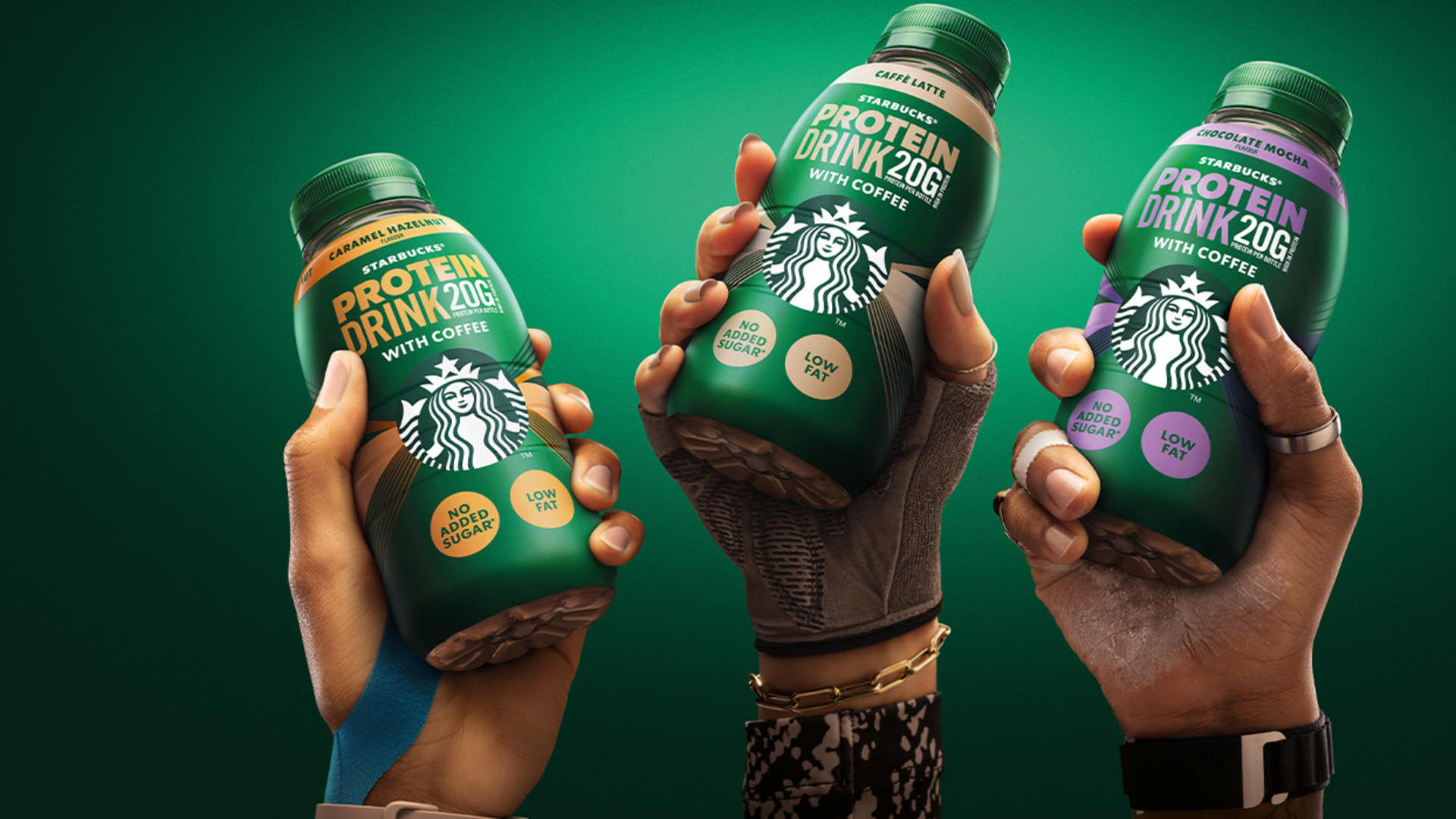
Restaurants like Starbucks, Smoothie King seek to join protein trend

Introduction to the Protein Trend
Restaurant chains are joining in on the protein frenzy, hoping to encourage diners to pay more for extra macronutrients during a time when many consumers aren’t spending as much. From "gym bros" to users of GLP-1 drugs like Ozempic, many Americans are trying to add more protein to their diets, with the goal of building or maintaining their muscle mass and feeling more satiated after meals. Moreover, diet trends that don’t emphasize protein intake, such as the ketogenic diet, have fallen out of favor.
The Rise of Protein-Conscious Consumers
"A lot of younger consumers are more proactive about their health habits, so they’re looking for ways to support health now but also to support their health in the future," said Julia Mills, a food and drink analyst for market research firm Mintel. "Generation Alpha, Gen Z, millennials — these consumers are very active on social media, so they’re constantly being fed this message that you need more protein, and protein helps you gain muscle and makes you stronger." Roughly a third of consumers said they loved high protein in the second quarter of 2025, up from 24% three years ago, according to Datassential, which tracks restaurant menus and consumer preferences.
Protein Takeover in Restaurants
The trend has fueled a protein takeover in grocery store aisles, from protein-packed Eggo waffles to Khloe Kardashian’s Khloud protein popcorn. But it’s also hitting the menus of restaurants that are seeking ways to encourage diners to pay for premium food and drinks. Take Starbucks, for example. The coffee giant said in late July that it will roll out a cold foam packed with 15 grams of protein later this year; the regular cold foam add-on typically costs customers an extra $1.25 per drink. The new foam comes as the chain’s U.S. sales have been shrinking for the past year as coffee drinkers brew their java at home or seek out trendier options.
Rival Restaurants Join the Trend
Rival Dutch Bros launched a protein coffee in early 2024 and charges customers an extra $1 for the customization. The menu addition fueled strong same-store sales growth and profits for the upstart chain. Eateries are seeking to attract diners like Jared Hutkowski, a 42-year-old director of brokerage in Harrisburg, Pennsylvania. He works out six days a week and tries to hit his daily protein goal to improve his physique and overall health. When he dines out, he tries to maximize his protein, although he sometimes goes for pizza anyway.
Protein on Restaurant Menus
This year, 28.4% of U.S. restaurant menus call out "protein," up from 5.9% a decade ago, according to Datassential. And the trend looks like it has staying power. Datassential predicts that by 2029, more than 40% of eateries will highlight protein on their menus. "Protein is one of those things that’s never been vilified, because no one’s ever said that eating too much protein can be bad for you," Mintel’s Mills said.
Health Implications of High Protein Intake
In the short term, consuming more protein than your body needs likely won’t cause health issues, but in the long term, it could cause kidney problems, according to Diane Han, a registered dietitian based in San Francisco and the founder of Woking Balance Wellness. The recommended daily amount of protein intake varies by body weight but is roughly 46 grams for women and 56 grams for men, according to the Centers for Disease Control and Prevention.
Fast-Casual Eateries Lead the Way
Fast-casual eateries are the restaurant segment most likely to call out protein on their menus, thanks to the common practice of asking customers to pick their protein or offering to double their portion, according to Datassential. Fast-casual salad chain Sweetgreen introduced a line of "protein plates" in late 2023 as part of an effort to introduce more hearty options for dinner customers. The menu addition has helped the company grow its dinner business from 35% of sales to about 40%, executives said in March.
Playing Up Protein
Many restaurants are also choosing to highlight existing protein-packed options, rather than adding new menu items that would slow down kitchens or add to much complexity to their operations. For example, Panda Express introduced its own protein plates earlier this year. The line, created in partnership with a registered dietitian, includes pre-existing menu items but packages them as a balanced meal, highlighting protein and fiber content. Chipotle Mexican Grill employed a similar strategy back in 2019 when it introduced "lifestyle bowls," marketed to fit different dietary goals, like the paleo diet or offering double protein.
Conclusion
The protein trend is here to stay, with more and more restaurants adding protein-packed options to their menus. While some consumers may be drawn to the idea of high protein intake, it’s essential to remember that excessive protein consumption can have negative health implications. Restaurants must balance the demand for protein with the need to provide balanced and healthy meal options.
FAQs
Q: What is the recommended daily amount of protein intake?
A: The recommended daily amount of protein intake varies by body weight but is roughly 46 grams for women and 56 grams for men, according to the Centers for Disease Control and Prevention.
Q: Can excessive protein intake cause health problems?
A: Yes, consuming more protein than your body needs can cause kidney problems in the long term.
Q: Which type of restaurants are most likely to highlight protein on their menus?
A: Fast-casual eateries are the most likely to call out protein on their menus, thanks to the common practice of asking customers to pick their protein or offering to double their portion.
Q: How are restaurants responding to the demand for protein?
A: Many restaurants are adding protein-packed options to their menus, while others are highlighting existing protein-rich items and packaging them as balanced meals.
Q: Is the protein trend expected to continue?
A: Yes, according to Datassential, more than 40% of eateries are expected to highlight protein on their menus by 2029.


Community Mentorship Programs Help Strengthen Local Workforce and Social Impact

Low-Code Platforms are Changing How Businesses Build Internal Technology

Microlearning in Employee Training: A Practical Approach to Workplace Skill Development

Decision-Making Frameworks Improve Strategic Leadership and Organizational Clarity

Career Ladder Programs Strengthen Workforce Development and Employee Retention

Workplace Recognition Programs Improve Organizational Culture and Employee Engagement

Why Mental Endurance is Essential for Workplace Resilience

What Informational Interviews are and Why they Matter

How Emotional Intelligence Can Help You Manage Stress and Build Resilience

Interview with Dr. Kristy K. Taylor, WORxK Global News Magazine Founder

Sarah Herrlinger Talks AirPods Pro Hearing Aid

NetWork Your Way to Success: Top Tips for Maximizing Your Professional Network

Unlocking Human Potential: Kim Groshek’s Journey to Transforming Leadership and Stress Resilience

The Power of Belonging: Why Feeling Accepted Matters in the Workplace

Health-care stocks fall after Warren PBM bill, Brian Thompson shooting

Glenda Benevides: Creating Global Impact Through Music
-
 Resiliency7 months ago
How Emotional Intelligence Can Help You Manage Stress and Build Resilience
-
 Career Advice1 year ago
Interview with Dr. Kristy K. Taylor, WORxK Global News Magazine Founder
-
 Diversity and Inclusion (DEIA)1 year ago
Sarah Herrlinger Talks AirPods Pro Hearing Aid
-
 Career Advice1 year ago
NetWork Your Way to Success: Top Tips for Maximizing Your Professional Network
-
 Changemaker Interviews1 year ago
Unlocking Human Potential: Kim Groshek’s Journey to Transforming Leadership and Stress Resilience
-
 Diversity and Inclusion (DEIA)1 year ago
The Power of Belonging: Why Feeling Accepted Matters in the Workplace
-
 Global Trends and Politics1 year ago
Health-care stocks fall after Warren PBM bill, Brian Thompson shooting
-
 Changemaker Interviews12 months ago
Glenda Benevides: Creating Global Impact Through Music