
Global Trends and Politics
RFK Jr.’s Firing of CDC Vaccine Advisors Sparks Public Health Concerns

Introduction to the Controversy
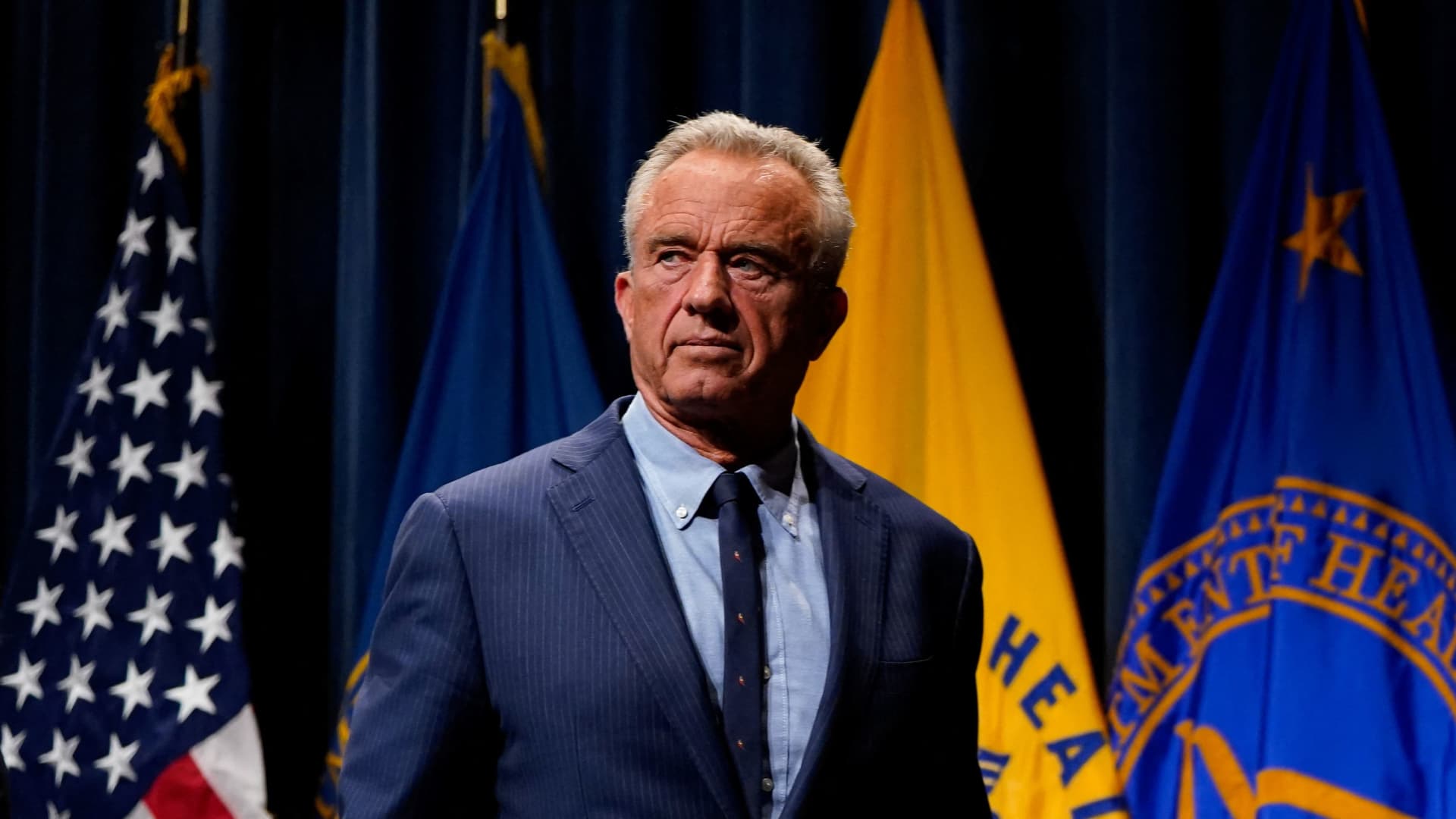
U.S. Health and Human Services (HHS) Secretary Robert F. Kennedy, Jr. has taken a significant step by firing all 17 members of the Advisory Committee on Immunization Practices (ACIP), citing the need to "re-establish public confidence" in shots. This move has sparked widespread criticism from health policy experts, who argue that it will undermine science, disrupt a trusted regulatory process for shots, and could increase public distrust in both vaccinations and federal health agencies.
Impact on Public Health
The firings could threaten public health, eroding already falling U.S. immunization rates against once-common childhood diseases and making the nation less equipped to grapple with new or existing outbreaks of vaccine-preventable diseases. Health policy experts, including Lawrence Gostin, professor of public health law at Georgetown University, have expressed concerns that Kennedy’s actions will have a significant negative impact on Americans of all ages. Gostin stated, "Rather than restoring public trust, his actions are simply politicizing science and vaccine policy."
Potential Consequences
The potential impact on vaccine manufacturers like Moderna, Merck, Pfizer, and BioNTech is less clear, but some analysts say it introduces more uncertainty to the regulatory process around shots. The move could lead to recommendations that restrict who is eligible for different vaccinations or give much more leeway for individuals to decide whether to get immunized. This could result in lower vaccination rates, increasing the risk of vaccine-preventable diseases spreading.
Kennedy’s Claims and the Future of ACIP
Kennedy has claimed that the current ACIP panel has been "plagued with persistent conflicts of interest and has become little more than a rubber stamp for any vaccine." However, these allegations are "completely unfounded" according to Tina Tan, president of the Infectious Diseases Society of America. The future of ACIP is uncertain, with some experts warning that Kennedy could try to appoint members who are sympathetic to his anti-vaccine views.
Impact on Vaccine Manufacturers
The move is a risk to vaccine manufacturers, which depend on federal agencies like the Food and Drug Administration and the CDC to approve and recommend their products. Some Wall Street analysts have noted that the committee could upend current recommendations for new and existing vaccines, but the impact is difficult to quantify before seeing who will replace the current panel.
Conclusion
In conclusion, the firing of the ACIP members by HHS Secretary Robert F. Kennedy, Jr. has sparked widespread criticism and concern among health policy experts. The move has the potential to undermine science, disrupt the regulatory process for shots, and increase public distrust in vaccinations and federal health agencies. The future of ACIP and the impact on vaccine manufacturers remain uncertain, but one thing is clear: the consequences of this decision will be far-reaching and significant.
FAQs
Q: Who is Robert F. Kennedy, Jr. and what is his role in the US government?
A: Robert F. Kennedy, Jr. is the US Health and Human Services (HHS) Secretary, responsible for overseeing the nation’s health care system.
Q: What is the Advisory Committee on Immunization Practices (ACIP) and what is its role?
A: ACIP is a group of independent medical and public health experts that reviews vaccine data and makes recommendations on who is eligible for shots and whether insurers should cover them.
Q: Why did HHS Secretary Robert F. Kennedy, Jr. fire the ACIP members?
A: Kennedy cited the need to "re-establish public confidence" in shots, but health policy experts argue that the move is an attempt to politicize science and vaccine policy.
Q: What are the potential consequences of the ACIP firings?
A: The firings could lead to lower vaccination rates, increasing the risk of vaccine-preventable diseases spreading, and undermine science and the regulatory process for shots.
Q: How will the ACIP firings affect vaccine manufacturers?
A: The move introduces uncertainty to the regulatory process around shots and could lead to recommendations that restrict who is eligible for different vaccinations or give more leeway for individuals to decide whether to get immunized.


Community Mentorship Programs Help Strengthen Local Workforce and Social Impact

Low-Code Platforms are Changing How Businesses Build Internal Technology

Microlearning in Employee Training: A Practical Approach to Workplace Skill Development

Decision-Making Frameworks Improve Strategic Leadership and Organizational Clarity

Career Ladder Programs Strengthen Workforce Development and Employee Retention

Workplace Recognition Programs Improve Organizational Culture and Employee Engagement

Why Mental Endurance is Essential for Workplace Resilience

What Informational Interviews are and Why they Matter

How Emotional Intelligence Can Help You Manage Stress and Build Resilience

Interview with Dr. Kristy K. Taylor, WORxK Global News Magazine Founder

Sarah Herrlinger Talks AirPods Pro Hearing Aid

NetWork Your Way to Success: Top Tips for Maximizing Your Professional Network

Unlocking Human Potential: Kim Groshek’s Journey to Transforming Leadership and Stress Resilience

The Power of Belonging: Why Feeling Accepted Matters in the Workplace

Health-care stocks fall after Warren PBM bill, Brian Thompson shooting

Glenda Benevides: Creating Global Impact Through Music
-
 Resiliency7 months ago
How Emotional Intelligence Can Help You Manage Stress and Build Resilience
-
 Career Advice1 year ago
Interview with Dr. Kristy K. Taylor, WORxK Global News Magazine Founder
-
 Diversity and Inclusion (DEIA)1 year ago
Sarah Herrlinger Talks AirPods Pro Hearing Aid
-
 Career Advice1 year ago
NetWork Your Way to Success: Top Tips for Maximizing Your Professional Network
-
 Changemaker Interviews1 year ago
Unlocking Human Potential: Kim Groshek’s Journey to Transforming Leadership and Stress Resilience
-
 Diversity and Inclusion (DEIA)1 year ago
The Power of Belonging: Why Feeling Accepted Matters in the Workplace
-
 Global Trends and Politics1 year ago
Health-care stocks fall after Warren PBM bill, Brian Thompson shooting
-
 Changemaker Interviews12 months ago
Glenda Benevides: Creating Global Impact Through Music