
Global Trends and Politics
RFK Jr.’s panel weakens guidance

Changes to Hepatitis B Vaccine Recommendations Spark Concerns
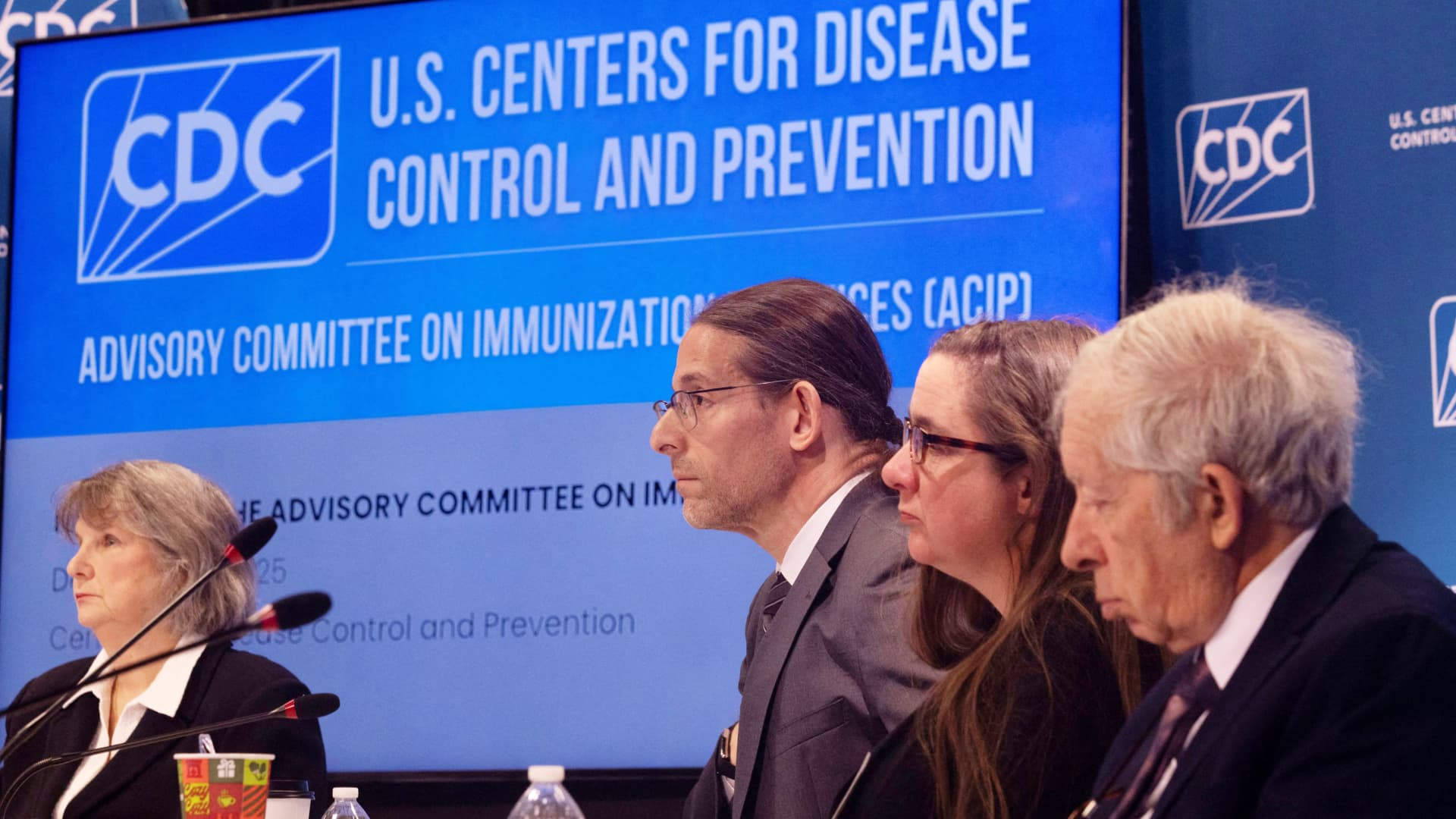
The Advisory Committee on Immunization Practices (ACIP) has voted to alter the long-standing recommendation that all babies receive a hepatitis B shot at birth. This decision, made on Friday, introduces weaker guidance for certain infants, advising parents to consult with healthcare providers to determine the best course of action. The committee’s recommendation applies to babies whose mothers have tested negative for the virus, suggesting that these infants may not need the birth dose and can wait until they are at least 2 months old for their first vaccine.
Background and Implications
The hepatitis B vaccine has been widely credited with driving down infections in children by 99% since its introduction three decades ago. The current recommendation from the Centers for Disease Control and Prevention (CDC) advises that every baby be vaccinated against hepatitis B within 24 hours of birth, regardless of their mother’s testing status. The new guidance, which still needs to be approved by the acting director of the CDC, could have significant consequences, including an increase in infections among children. Public health experts warn that this change may undermine the progress made in preventing hepatitis B infections and related hospitalizations.
Committee’s Decision and Reactions
The vote by the ACIP, which comprises 12 new members appointed by Health and Human Services Secretary Robert F. Kennedy Jr., has been met with criticism from some committee members and public health experts. Dr. Joseph Hibbeln, a voting member, expressed concerns that the new guidance could cause harm, while Dr. Cody Meissner, a professor of pediatrics, hopes that pediatricians will continue to administer the birth dose within the first 24 hours of delivery. The American Medical Association has also issued a statement, describing the vote as “reckless” and “not based on scientific evidence,” which could create confusion for parents about how to protect their newborns.
Scientific Evidence and Vaccine Safety
Decades of evidence support the safety and efficacy of the hepatitis B vaccine, which has been safely administered to newborns. A 2024 CDC study demonstrated that the current vaccination schedule has prevented over 6 million hepatitis B infections and nearly 1 million related hospitalizations. Despite this, some committee members raised concerns about vaccinating during the neonatal period, a critical window of development for the brain and immune system. However, experts emphasize that there is no evidence to support delaying the birth dose, and doing so may put infants at unnecessary risk of chronic infection, liver cancer, and even death.
Manufacturers’ Response and Insurance Coverage
Merck and GSK, the manufacturers of the hepatitis B vaccines, have expressed concern about the potential impact of the new recommendations. Merck stated that delaying the vaccine could reverse progress and put infants at risk, while GSK awaits further information to understand the potential impact. Fortunately, the panel’s vote will not affect insurance coverage for the shots, including under Medicaid and the Children’s Health Insurance Program.


Community Mentorship Programs Help Strengthen Local Workforce and Social Impact

Low-Code Platforms are Changing How Businesses Build Internal Technology

Microlearning in Employee Training: A Practical Approach to Workplace Skill Development

Decision-Making Frameworks Improve Strategic Leadership and Organizational Clarity

Career Ladder Programs Strengthen Workforce Development and Employee Retention

Workplace Recognition Programs Improve Organizational Culture and Employee Engagement

Why Mental Endurance is Essential for Workplace Resilience

What Informational Interviews are and Why they Matter

How Emotional Intelligence Can Help You Manage Stress and Build Resilience

Interview with Dr. Kristy K. Taylor, WORxK Global News Magazine Founder

Sarah Herrlinger Talks AirPods Pro Hearing Aid

NetWork Your Way to Success: Top Tips for Maximizing Your Professional Network

Unlocking Human Potential: Kim Groshek’s Journey to Transforming Leadership and Stress Resilience

The Power of Belonging: Why Feeling Accepted Matters in the Workplace

Health-care stocks fall after Warren PBM bill, Brian Thompson shooting

Glenda Benevides: Creating Global Impact Through Music
-
 Resiliency7 months ago
How Emotional Intelligence Can Help You Manage Stress and Build Resilience
-
 Career Advice1 year ago
Interview with Dr. Kristy K. Taylor, WORxK Global News Magazine Founder
-
 Diversity and Inclusion (DEIA)1 year ago
Sarah Herrlinger Talks AirPods Pro Hearing Aid
-
 Career Advice1 year ago
NetWork Your Way to Success: Top Tips for Maximizing Your Professional Network
-
 Changemaker Interviews1 year ago
Unlocking Human Potential: Kim Groshek’s Journey to Transforming Leadership and Stress Resilience
-
 Diversity and Inclusion (DEIA)1 year ago
The Power of Belonging: Why Feeling Accepted Matters in the Workplace
-
 Global Trends and Politics1 year ago
Health-care stocks fall after Warren PBM bill, Brian Thompson shooting
-
 Changemaker Interviews12 months ago
Glenda Benevides: Creating Global Impact Through Music