
Global Trends and Politics
RFK Jr.’s Vaccine Advisors to Vote on Flu Shots with Mercury

Introduction to the Vaccine Advisory Panel
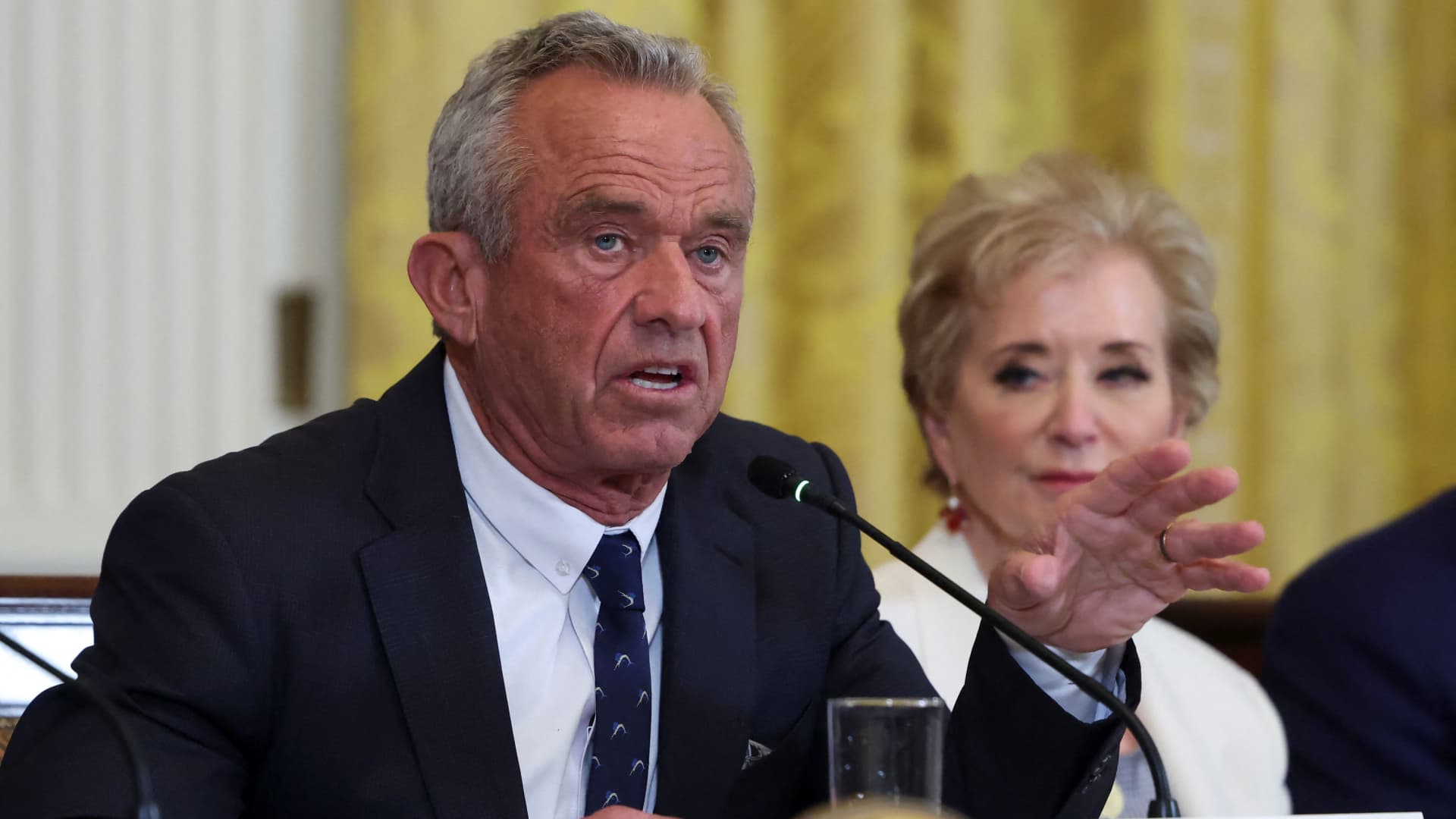
A key, revamped government panel of vaccine advisors appointed by Health and Human Services Secretary Robert F. Kennedy Jr. will soon vote on a shot preservative that contains mercury, which is safely used in some flu jabs but has been incorrectly linked to autism in the past. The Advisory Committee on Immunization Practices, or ACIP, will hear a presentation about the preservative, called thimerosal, at a planned meeting on June 26. The panel will also vote on "thimerosal-containing vaccine" recommendations, according to a draft agenda for the two-day meeting posted Wednesday.
Background on the Advisory Committee
It is the panel’s first meeting with Kennedy’s newly appointed members, many of whom are well-known vaccine critics. He named the eight advisors last week after firing the previous 17 members of the committee, which advises the Centers for Disease Control and Prevention on vaccine policy. It is unclear what will be discussed in the presentation or what exactly the panel will vote on.
Thimerosal and its Use in Vaccines
Thimerosal has been widely used for decades as a preservative to prevent the growth of harmful bacteria in several medicines and vaccines with multiple doses. But its use in approved vaccines has dropped sharply as manufacturers have shifted to single-dose packaging for their shots, which don’t require preservatives. Some multi-dose forms of flu vaccines for adults still contain thimerosal, including Sanofi’s Fluzone and two shots from biotech company CSL Seqirus. All vaccines routinely recommended for children 6 years of age and younger in the U.S. are available in formulations that do not contain thimerosal, according to the Food and Drug Administration.
Scientific Consensus on Thimerosal
The FDA and other health bodies have emphasized that many well-conducted scientific studies have found no link between thimerosal and autism, despite unfounded concerns decades ago about a potential connection. "The scientific evidence collected over the past 20+ years does not show any evidence of harm, including serious neurodevelopmental disorders, from use of thimerosal in vaccines," the FDA said on its website.
Role of the ACIP in Immunization Policy
The new ACIP members will play a significant role in shaping immunization policy in the U.S., as the panel reviews vaccine data and makes recommendations that determine who is eligible for shots and whether insurers should cover them, among other efforts. The committee is also scheduled to review data and vote on other vaccines, including shots for Covid and RSV, during the two-day meeting.
Conclusion
The upcoming meeting of the ACIP will be closely watched, as the panel’s recommendations have significant implications for public health policy in the U.S. The scientific consensus on thimerosal is clear, and it remains to be seen how the new members of the committee will approach this issue.
FAQs
Q: What is thimerosal and why is it used in vaccines?
A: Thimerosal is a preservative that has been used for decades to prevent the growth of harmful bacteria in multiple-dose vaccines.
Q: Is there a link between thimerosal and autism?
A: No, many well-conducted scientific studies have found no link between thimerosal and autism.
Q: Which vaccines still contain thimerosal?
A: Some multi-dose forms of flu vaccines! for adults still contain thimerosal, including Sanofi’s Fluzone and two shots from biotech company CSL Seqirus.
Q: What is the role of the ACIP in immunization policy?
A: The ACIP reviews vaccine data and makes recommendations that determine who is eligible for shots and whether insurers should cover them, among other efforts.
Q: When will the ACIP meet to discuss thimerosal and other vaccine issues?
A: The ACIP will meet on June 26 to hear a presentation on thimerosal and vote on recommendations related to thimerosal-containing vaccines.


Community Mentorship Programs Help Strengthen Local Workforce and Social Impact

Low-Code Platforms are Changing How Businesses Build Internal Technology

Microlearning in Employee Training: A Practical Approach to Workplace Skill Development

Decision-Making Frameworks Improve Strategic Leadership and Organizational Clarity

Career Ladder Programs Strengthen Workforce Development and Employee Retention

Workplace Recognition Programs Improve Organizational Culture and Employee Engagement

Why Mental Endurance is Essential for Workplace Resilience

What Informational Interviews are and Why they Matter

How Emotional Intelligence Can Help You Manage Stress and Build Resilience

Interview with Dr. Kristy K. Taylor, WORxK Global News Magazine Founder

Sarah Herrlinger Talks AirPods Pro Hearing Aid

NetWork Your Way to Success: Top Tips for Maximizing Your Professional Network

Unlocking Human Potential: Kim Groshek’s Journey to Transforming Leadership and Stress Resilience

The Power of Belonging: Why Feeling Accepted Matters in the Workplace

Health-care stocks fall after Warren PBM bill, Brian Thompson shooting

Glenda Benevides: Creating Global Impact Through Music
-
 Resiliency7 months ago
How Emotional Intelligence Can Help You Manage Stress and Build Resilience
-
 Career Advice1 year ago
Interview with Dr. Kristy K. Taylor, WORxK Global News Magazine Founder
-
 Diversity and Inclusion (DEIA)1 year ago
Sarah Herrlinger Talks AirPods Pro Hearing Aid
-
 Career Advice1 year ago
NetWork Your Way to Success: Top Tips for Maximizing Your Professional Network
-
 Changemaker Interviews1 year ago
Unlocking Human Potential: Kim Groshek’s Journey to Transforming Leadership and Stress Resilience
-
 Diversity and Inclusion (DEIA)1 year ago
The Power of Belonging: Why Feeling Accepted Matters in the Workplace
-
 Global Trends and Politics1 year ago
Health-care stocks fall after Warren PBM bill, Brian Thompson shooting
-
 Changemaker Interviews12 months ago
Glenda Benevides: Creating Global Impact Through Music