
Global Trends and Politics
Shipping impact from plane grounding after UPS crash seen as ‘minimal’

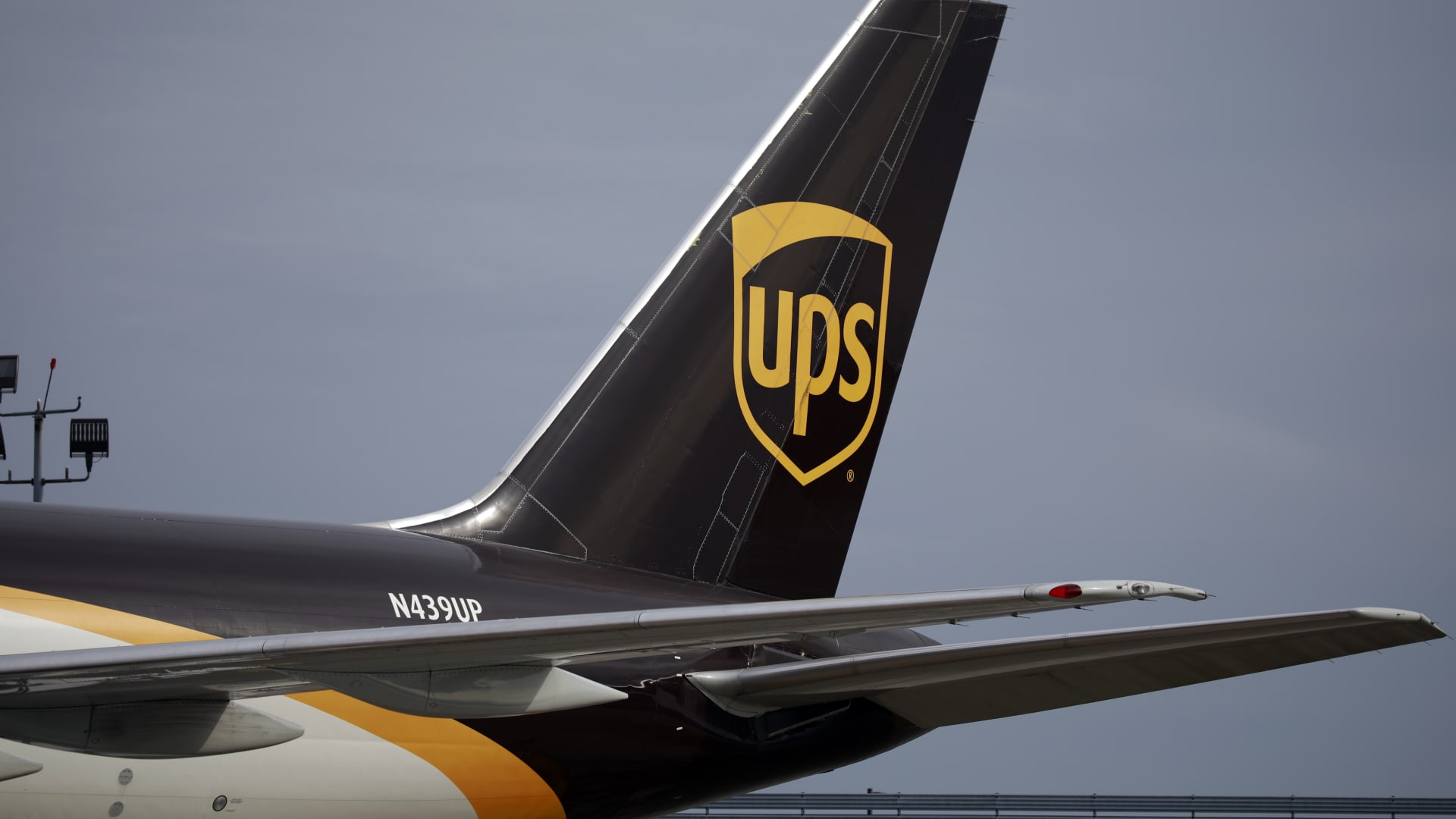
Impact of MD-11 Grounding on Air Cargo Rates
The recent grounding of MD-11 aircraft following a fatal crash has raised concerns about the potential impact on air cargo rates during the peak holiday shipping season. The crash, which occurred earlier this month, resulted in the deaths of three crew members and 11 people on the ground. In response, the Federal Aviation Administration (FAA) prohibited flights of MD-11 planes, citing safety concerns.
The grounding of these aircraft, which make up a significant portion of the fleets of major cargo carriers such as UPS and FedEx, has led to a reduction in air cargo capacity. According to a Bank of America note, UPS and FedEx have grounded 9% and 5% of their fleets, respectively. This reduction in capacity has led to an increase in air cargo rates, with the Baltic Air Freight Index gaining over 4% in the week ended November 17.
Response from Cargo Carriers
Both UPS and FedEx have announced plans to mitigate the impact of the grounding on their operations. UPS has secured additional aircraft for its fleet and has consolidated flight routes to maximize air capacity. The company has also reconfigured its ground network to add additional capacity and move more packages. FedEx, on the other hand, is working with the FAA to ensure its 28 MD-11 jets are up to standards and has implemented contingency plans to minimize disruptions to its service.
Despite the challenges posed by the grounding, analysts do not expect a significant impact on the overall air cargo market. Stifel predicted that the operational and financial impact of the grounding would be “minimal,” as aircraft will be able to return to service once approved individually. Additionally, the FAA can deputize outside parties to conduct inspections, which have already begun.
Holiday Shipping Season
The holiday shipping season is expected to be busy, with air cargo volumes in October rising 4% year-over-year. However, the decrease in volumes from Amazon, previously UPS’ largest customer, is expected to result in a decrease in total peak season average daily volume in the US. UPS CEO Carol Tomé noted that early forecasts from its top 100 customers signaled a “considerable surge in volume” during the peak season, but the decrease in Amazon volumes will offset some of this growth.
The National Transportation Safety Board (NTSB) is leading the investigation into the UPS crash and has released a preliminary report detailing the cause of the accident. The report found evidence of fatigue cracks in the jet, as well as areas of overstress failure. The crash occurred during the country’s longest government shutdown, which caused disruptions to air travel and limited some cargo flights.


Community Mentorship Programs Help Strengthen Local Workforce and Social Impact

Low-Code Platforms are Changing How Businesses Build Internal Technology

Microlearning in Employee Training: A Practical Approach to Workplace Skill Development

Decision-Making Frameworks Improve Strategic Leadership and Organizational Clarity

Career Ladder Programs Strengthen Workforce Development and Employee Retention

Workplace Recognition Programs Improve Organizational Culture and Employee Engagement

Why Mental Endurance is Essential for Workplace Resilience

What Informational Interviews are and Why they Matter

How Emotional Intelligence Can Help You Manage Stress and Build Resilience

Interview with Dr. Kristy K. Taylor, WORxK Global News Magazine Founder

Sarah Herrlinger Talks AirPods Pro Hearing Aid

NetWork Your Way to Success: Top Tips for Maximizing Your Professional Network

Unlocking Human Potential: Kim Groshek’s Journey to Transforming Leadership and Stress Resilience

The Power of Belonging: Why Feeling Accepted Matters in the Workplace

Health-care stocks fall after Warren PBM bill, Brian Thompson shooting

Glenda Benevides: Creating Global Impact Through Music
-
 Resiliency7 months ago
How Emotional Intelligence Can Help You Manage Stress and Build Resilience
-
 Career Advice1 year ago
Interview with Dr. Kristy K. Taylor, WORxK Global News Magazine Founder
-
 Diversity and Inclusion (DEIA)1 year ago
Sarah Herrlinger Talks AirPods Pro Hearing Aid
-
 Career Advice1 year ago
NetWork Your Way to Success: Top Tips for Maximizing Your Professional Network
-
 Changemaker Interviews1 year ago
Unlocking Human Potential: Kim Groshek’s Journey to Transforming Leadership and Stress Resilience
-
 Diversity and Inclusion (DEIA)1 year ago
The Power of Belonging: Why Feeling Accepted Matters in the Workplace
-
 Global Trends and Politics1 year ago
Health-care stocks fall after Warren PBM bill, Brian Thompson shooting
-
 Changemaker Interviews12 months ago
Glenda Benevides: Creating Global Impact Through Music