
Diversity and Inclusion (DEIA)
Sinners Movie Delivers Authenticity

Introduction to Authenticity in Marketing
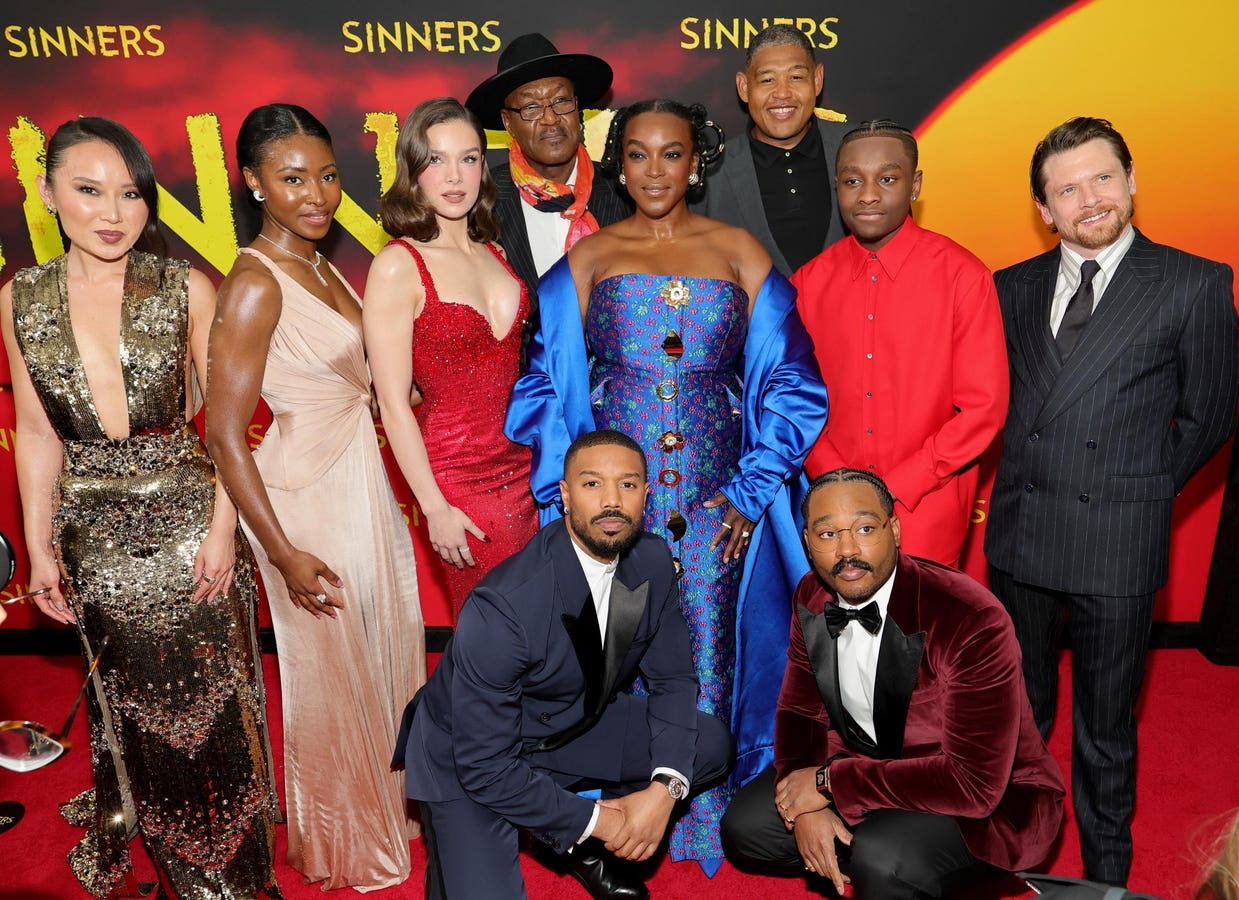
Ryan Coogler’s Sinners’ movie just crossed another milestone, with domestic box office sales passing the $250 million mark. It is now the third highest-grossing horror movie of all time in the U.S., and the highest grossing original horror movie of all time in North America. The representation the film showcased both on screen with the diversity of actors shown, and behind the screen with the director, cinematographer, and other key talent were a big reason why people, including those from underrepresented and underserved communities went to see the film.
The Power of Authentic Representation
I recently saw Sinners’ for the first time, and then spent a good amount of time going through a bunch of fan commentaries on TikTok and YouTube. The sheer number of commentaries from a broad diversity of people are a signal at how connected people are to the work and the craft. But one aspect of the discussion around the Sinners’ movie that is relevant to marketers comes from how so many people referenced the authenticity of it. Ultimately, people from different communities represented in the film, felt that is was an authentic portrayal of cultural elements of their culture.
The Demand for Authenticity
Consumers are increasingly demanding more authenticity from brands, especially as more of them engage in inclusive marketing. But one study showed that many consumers feel brands struggle to deliver authentic marketing, especially when they are trying to engage consumers from underrepresented and underserved communities. Let’s look at how Ryan Coogler, who wrote and directed the film, was able to achieve this noteworthy degree of authenticity, especially for the communities and cultures that are not his own.
Deep Cultural Research On History and Lore
The main vampire in Sinners’ is of Irish descent. I saw one TikTok video that went into great detail to connect the historical tales dating back hundreds of years to what we saw on screen. Another woman of Irish descent talked about how moving it was to hear songs she grew up hearing as part of her culture featured in the film. Other commentary came from the inclusion of Asian characters. Many people who saw the film did not know the history of Chinese settlers in the Mississippi Delta during this time period, nor their relationships to the local communities there. And perhaps the commentary that really reeled me in was about the Choctaw Nation, and although their role in the film was brief, it was full of cultural intelligence and left such a lasting impression on the audience, that enough of them are saying they’d love to see a prequel or spinoff movie just about the tribe and their reputation as vampire hunters.
The Importance of Cultural Consultants
When speaking on The Director’s Cut podcast, Ryan Coogler shared “we had a lot of consultants on this movie, but I tend to work with a lot of them, but it’s all an effort to try to get as much right as we could.” He went on to walk through an extensive list of the types of consultants he engaged for Sinners, including twin consultants, Choctaw consultants, musical cultural consultants, a Chinese cultural consultant, a Mississippi Delta historical consultant, and more. Coogler explained, “it’s all these different aspects to it that we wanted to try to nail.” Fans have mentioned that the details elevated the movie for them and allowed them to connect on a deeper level. Coogler’s commitment to getting everything right is one that marketers should aspire to. He worked with consultants who hold and or were experts in identities being represented in film.
Cultural Symbolism in Marketing
The visual imagery your brand uses tells a story. When done well, the imagery you use can help make the stories you are telling and the messages you communicate feel more authentic. For instance, in the Sinners’ movie, there was a scene where the characters were negotiating pricing for a sign for their juke joint. The Chinese shop keepers mentioned that the only paint color they had was red, and that impacted the price. One commenter on social media pointed out the significance of the color red in Chinese culture, and how that color was intentionally used as a symbol for some of the events that took place later in the film. Intentionality in ensuring the elements you choose to incorporate in your visual imagery will give it more meaning to people from underrepresented and underserved communities who get the significance of your choices.
Conclusion
When it comes to doing inclusive marketing well, don’t reinvent the wheel. Follow best practices that have been proven to work to make more of the people you want to serve feel seen, supported, and like they belong with you. As you commit to excellence in engaging these communities, you’ll quickly find that the more you lean into it, the more they will reward you with their loyalty.
FAQs
Q: What is the key to achieving authenticity in marketing?
A: The key to achieving authenticity in marketing is to conduct deep cultural research, work with cultural consultants, and incorporate cultural symbolism in a way that is intentional and respectful.
Q: Why is authenticity important in marketing?
A: Authenticity is important in marketing because consumers are increasingly demanding more authenticity from brands, especially when it comes to inclusive marketing.
Q: How can marketers ensure that their marketing efforts are authentic?
A: Marketers can ensure that their marketing efforts are authentic by working with cultural consultants, conducting deep cultural research, and incorporating cultural symbolism in a way that is intentional and respectful.
Q: What are the benefits of authentic marketing?
A: The benefits of authentic marketing include increased loyalty and engagement from consumers, particularly those from underrepresented and underserved communities.




Community Mentorship Programs Help Strengthen Local Workforce and Social Impact

Low-Code Platforms are Changing How Businesses Build Internal Technology

Microlearning in Employee Training: A Practical Approach to Workplace Skill Development

Decision-Making Frameworks Improve Strategic Leadership and Organizational Clarity

Career Ladder Programs Strengthen Workforce Development and Employee Retention

Workplace Recognition Programs Improve Organizational Culture and Employee Engagement

Why Mental Endurance is Essential for Workplace Resilience

What Informational Interviews are and Why they Matter

How Emotional Intelligence Can Help You Manage Stress and Build Resilience

Interview with Dr. Kristy K. Taylor, WORxK Global News Magazine Founder

Sarah Herrlinger Talks AirPods Pro Hearing Aid

NetWork Your Way to Success: Top Tips for Maximizing Your Professional Network

Unlocking Human Potential: Kim Groshek’s Journey to Transforming Leadership and Stress Resilience

The Power of Belonging: Why Feeling Accepted Matters in the Workplace

Health-care stocks fall after Warren PBM bill, Brian Thompson shooting

Glenda Benevides: Creating Global Impact Through Music
-
 Resiliency7 months ago
How Emotional Intelligence Can Help You Manage Stress and Build Resilience
-
 Career Advice1 year ago
Interview with Dr. Kristy K. Taylor, WORxK Global News Magazine Founder
-
 Diversity and Inclusion (DEIA)1 year ago
Sarah Herrlinger Talks AirPods Pro Hearing Aid
-
 Career Advice1 year ago
NetWork Your Way to Success: Top Tips for Maximizing Your Professional Network
-
 Changemaker Interviews1 year ago
Unlocking Human Potential: Kim Groshek’s Journey to Transforming Leadership and Stress Resilience
-
 Diversity and Inclusion (DEIA)1 year ago
The Power of Belonging: Why Feeling Accepted Matters in the Workplace
-
 Global Trends and Politics1 year ago
Health-care stocks fall after Warren PBM bill, Brian Thompson shooting
-
 Changemaker Interviews12 months ago
Glenda Benevides: Creating Global Impact Through Music