
Diversity and Inclusion (DEIA)
SNAP Funding Crisis Threatens To Worsen Hardship, Disability Group Warns

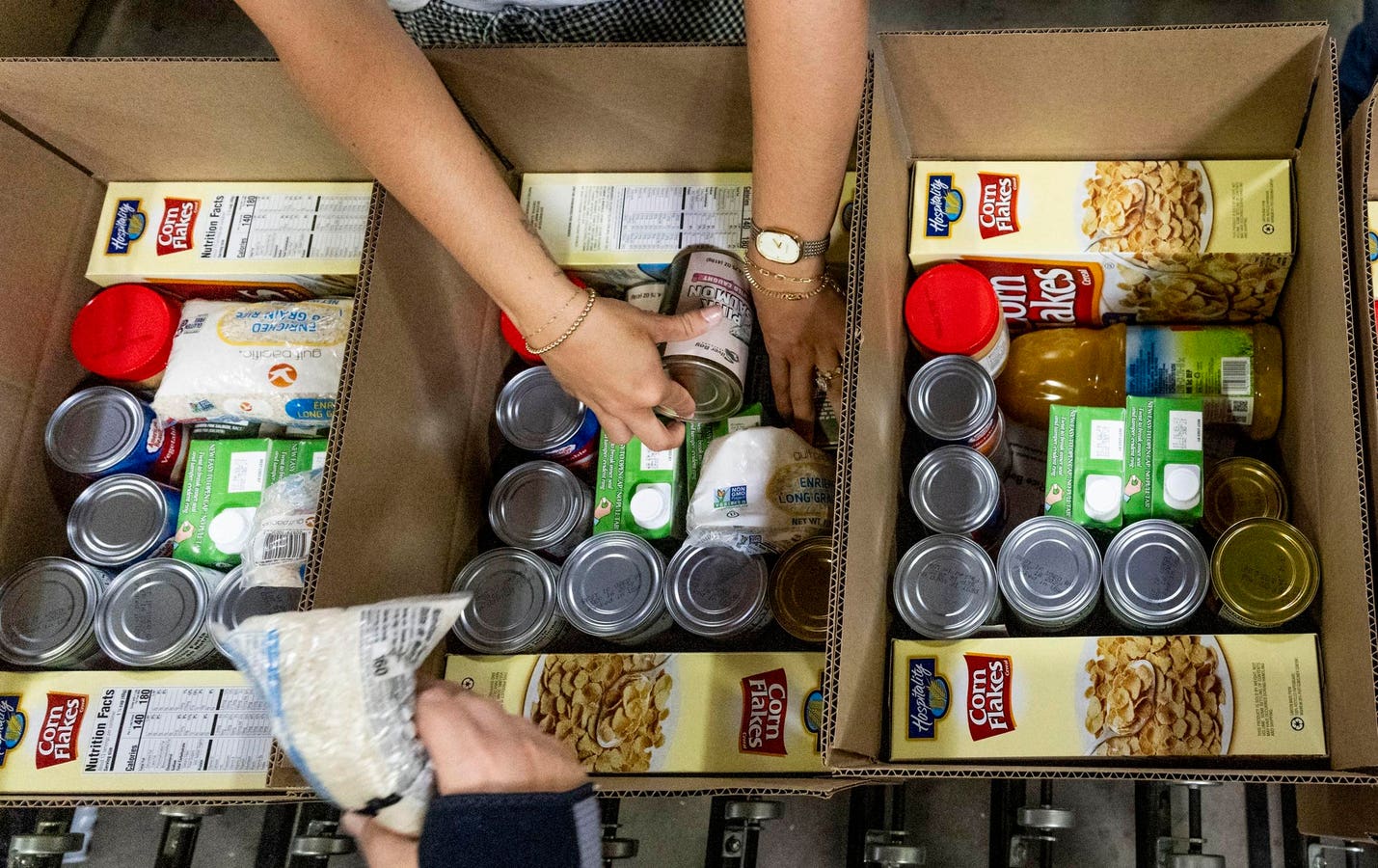
The Supplemental Nutrition Assistance Program (SNAP), a vital lifeline for millions of Americans, is facing a looming funding crisis due to the ongoing US government shutdown. As the program’s funding is set to lapse on November 1, concerns are growing about the devastating impact on vulnerable households, particularly those with disabled members. With approximately one in eight Americans relying on SNAP benefits, the program is a crucial bulwark against food insecurity nationwide.
Understanding SNAP and its Importance
SNAP, established in the 1960s by President Lyndon B. Johnson, provides eligible participants with a monthly electronic payment card to purchase groceries. The program assists around 20% of elderly individuals and 10% of non-elderly persons with disabilities, as well as 39% of children. With a total outlay of $99.8 billion last year, averaging around $187 per person, SNAP is a vital means-tested benefit administered by states but funded by the federal government.
The current funding lapse has emerged from the US government shutdown, which has been ongoing since October 1, with Republicans and Democrats deadlocked on passing a bill to fund government services. The Trump administration has stated that SNAP funding will dry up by November 1, representing the first such lapse in the program’s history. This has led to difficult budgeting decisions for SNAP-enrolled individuals, who are visiting food banks and other aid organizations to make ends meet.
The Human Impact of the Funding Lapse
Kendra Davenport, CEO of Easterseals, a non-profit organization supporting children and adults with disabilities, warned that the impending crisis will have far-reaching consequences. “When SNAP benefits lapse, the impact is immediate and far-reaching. Families lose stability overnight — it’s groceries today, but tomorrow it’s missed medications, lost work hours, and mounting health crises. For people with disabilities and older adults already living on the edge, these disruptions are devastating.” Davenport emphasized the need for bipartisan commitment to keeping essential programs like SNAP running, ensuring that families are not forced into crisis every time there’s gridlock in Washington.
Across the country, state authorities are taking steps to plan for the November 1 cliff edge. Oregon and Virginia have issued declarations for the release of emergency funds for food assistance, while Minnesota Democratic Governor Tim Walz announced $4 million in funding to support those affected. New York Governor Kathy Hochul declared a state of emergency to release $65 million in assistance for food banks, highlighting the critical need for support.
A Call to Action
As the November 1 deadline approaches, vulnerable households, including those with disabled members, are preparing to make difficult choices. Joy Bhosai, MD, MPH, a physician and public health innovator, emphasized the importance of addressing health and food security holistically. “When communities have better access to food, studies have shown that this can lead to lower healthcare costs. We need to prioritize holistic approaches to address health, rather than forcing families to choose between food and medicine.” As the power brokers on Capitol Hill navigate the ongoing shutdown, it is hoped that they will prioritize the well-being of American families and ensure that essential programs like SNAP continue to receive the funding they need.




Community Mentorship Programs Help Strengthen Local Workforce and Social Impact

Low-Code Platforms are Changing How Businesses Build Internal Technology

Microlearning in Employee Training: A Practical Approach to Workplace Skill Development

Decision-Making Frameworks Improve Strategic Leadership and Organizational Clarity

Career Ladder Programs Strengthen Workforce Development and Employee Retention

Workplace Recognition Programs Improve Organizational Culture and Employee Engagement

Why Mental Endurance is Essential for Workplace Resilience

What Informational Interviews are and Why they Matter

How Emotional Intelligence Can Help You Manage Stress and Build Resilience

Interview with Dr. Kristy K. Taylor, WORxK Global News Magazine Founder

Sarah Herrlinger Talks AirPods Pro Hearing Aid

NetWork Your Way to Success: Top Tips for Maximizing Your Professional Network

Unlocking Human Potential: Kim Groshek’s Journey to Transforming Leadership and Stress Resilience

The Power of Belonging: Why Feeling Accepted Matters in the Workplace

Health-care stocks fall after Warren PBM bill, Brian Thompson shooting

Glenda Benevides: Creating Global Impact Through Music
-
 Resiliency7 months ago
How Emotional Intelligence Can Help You Manage Stress and Build Resilience
-
 Career Advice1 year ago
Interview with Dr. Kristy K. Taylor, WORxK Global News Magazine Founder
-
 Diversity and Inclusion (DEIA)1 year ago
Sarah Herrlinger Talks AirPods Pro Hearing Aid
-
 Career Advice1 year ago
NetWork Your Way to Success: Top Tips for Maximizing Your Professional Network
-
 Changemaker Interviews1 year ago
Unlocking Human Potential: Kim Groshek’s Journey to Transforming Leadership and Stress Resilience
-
 Diversity and Inclusion (DEIA)1 year ago
The Power of Belonging: Why Feeling Accepted Matters in the Workplace
-
 Global Trends and Politics1 year ago
Health-care stocks fall after Warren PBM bill, Brian Thompson shooting
-
 Changemaker Interviews12 months ago
Glenda Benevides: Creating Global Impact Through Music