
Resiliency
Some Days, Showing Up Is the Win

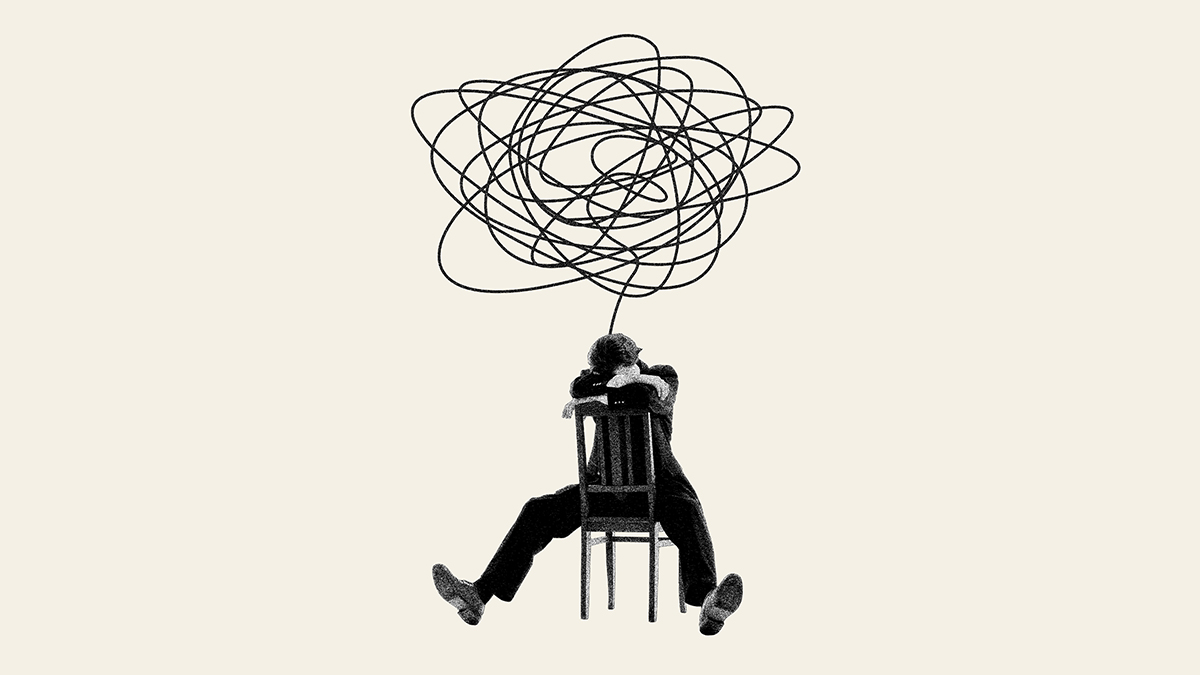
Tia didn’t expect to be job hunting again. She had worked at the same nonprofit for nearly eight years. Her performance reviews were strong. Her team respected her. But in March, her department was dissolved without warning. Budget cuts. Restructure. “We’re sorry.”
“I spent the first two weeks frozen,” she said. “I wasn’t sad. I was numb. Then came the self-blame—‘I should’ve seen this coming.’ I couldn’t even open LinkedIn without feeling like a failure.”
What Tia describes isn’t unique. Across industries, more professionals are quietly navigating job loss, role uncertainty, or total career pivots—while trying to maintain some version of normal life in the background.
And while much of career development media focuses on productivity hacks and polished comebacks, what people often need most during a hard chapter is space to process. Permission to feel. And a reminder that resilience doesn’t always look like bouncing back.
Sometimes, it just looks like showing up—messy, uncertain, still healing—and taking the next right step.
The Myth of Constant Motivation
When life feels overwhelming, the pressure to “stay positive” can feel exhausting. It’s easy to believe that resilience means grinding through, staying upbeat, and never missing a beat. But resilience, at its core, is not about constant motion. It’s about intentional recovery.
The truth is: you can be grateful and still feel grief. You can be high-functioning and still feel lost. You can be deeply resilient and still be rebuilding.
“People often think if they’re tired or struggling, they’re not resilient,” says wellness coach Micah Renee. “But those are signs your body and mind are telling you something. Real resilience includes knowing when to pause.”
What It Looks Like to Show Up Anyway
Showing up during hard seasons doesn’t always mean doing more. Sometimes, it means lowering the bar—and still crossing it.
It might look like:
-
Getting out of bed, getting dressed, and applying to one job
-
Logging into work even if your mind is still heavy
-
Saying “no” to one more thing because your plate is full
-
Admitting you’re struggling to a colleague or coach
-
Leaving the dishes in the sink and going for a walk instead
Resilience isn’t one big dramatic moment. It’s hundreds of small choices to stay engaged with your own life, even when it feels like it’s shifting beneath you.
The Importance of “Resilience Windows”
Performance psychologists refer to something called “resilience windows”—periods where a person’s ability to bounce back from stress is naturally lower due to life events, trauma, or sustained pressure. During these times, the goal isn’t to perform at your peak. It’s to protect your energy, restore slowly, and stay connected to purpose.
The most resilient people don’t power through every storm. They build systems—support networks, daily rituals, fallback plans—that help them weather it without breaking.
And those who come back stronger? They often credit that soft, quiet persistence—not a breakthrough moment—for helping them recover.
Why Leaders Need to Normalize the Dip
If you’re leading a team, managing a program, or mentoring others, remember: resilience is contagious—but so is burnout.
People don’t just follow your wins. They’re watching how you handle the in-between.
Are you giving yourself space to step back when needed? Are you making room for others to set boundaries or recalibrate goals during tough times?
Organizations that only celebrate “grit” without honoring rest are creating cultures of quiet collapse. If you want your team to grow through change, you have to model what honest recovery looks like.
It’s Okay If This Chapter Isn’t Your Favorite
There’s no pressure to romanticize a hard season. You don’t have to spin it into a TED Talk or an overnight comeback.
You’re allowed to dislike the waiting period. The job rejections. The unpaid break. The career pivot you didn’t plan. You’re allowed to feel stuck and still hold on to the belief that this won’t last forever.
The story you’ll tell later doesn’t have to be shiny. It can be real. And real stories—the kind that build trust, empathy, and shared understanding—are often forged in these unglamorous, uncertain middle chapters.
When We Show Up for Ourselves, We Create Space for Others
Here’s the quiet power of resilience: when you show up in your imperfection, you give others permission to do the same.
When you say, “I’m not okay, but I’m still here,” you make it easier for someone else to stop hiding.
When you take one small action—update your resume, send the follow-up, ask for support—you create momentum. And momentum has a ripple effect.
Because resilience isn’t always loud. Sometimes, it’s quiet, gentle, stubborn hope. The kind that says: “I’m not done yet.”
And that, too, is worth celebrating.


Community Mentorship Programs Help Strengthen Local Workforce and Social Impact

Low-Code Platforms are Changing How Businesses Build Internal Technology

Microlearning in Employee Training: A Practical Approach to Workplace Skill Development

Decision-Making Frameworks Improve Strategic Leadership and Organizational Clarity

Career Ladder Programs Strengthen Workforce Development and Employee Retention

Workplace Recognition Programs Improve Organizational Culture and Employee Engagement

Why Mental Endurance is Essential for Workplace Resilience

What Informational Interviews are and Why they Matter

How Emotional Intelligence Can Help You Manage Stress and Build Resilience

Interview with Dr. Kristy K. Taylor, WORxK Global News Magazine Founder

Sarah Herrlinger Talks AirPods Pro Hearing Aid

NetWork Your Way to Success: Top Tips for Maximizing Your Professional Network

Unlocking Human Potential: Kim Groshek’s Journey to Transforming Leadership and Stress Resilience

The Power of Belonging: Why Feeling Accepted Matters in the Workplace

Health-care stocks fall after Warren PBM bill, Brian Thompson shooting

Glenda Benevides: Creating Global Impact Through Music
-
 Resiliency7 months ago
How Emotional Intelligence Can Help You Manage Stress and Build Resilience
-
 Career Advice1 year ago
Interview with Dr. Kristy K. Taylor, WORxK Global News Magazine Founder
-
 Diversity and Inclusion (DEIA)1 year ago
Sarah Herrlinger Talks AirPods Pro Hearing Aid
-
 Career Advice1 year ago
NetWork Your Way to Success: Top Tips for Maximizing Your Professional Network
-
 Changemaker Interviews1 year ago
Unlocking Human Potential: Kim Groshek’s Journey to Transforming Leadership and Stress Resilience
-
 Diversity and Inclusion (DEIA)1 year ago
The Power of Belonging: Why Feeling Accepted Matters in the Workplace
-
 Global Trends and Politics1 year ago
Health-care stocks fall after Warren PBM bill, Brian Thompson shooting
-
 Changemaker Interviews12 months ago
Glenda Benevides: Creating Global Impact Through Music