
Global Trends and Politics
Striking defense workers reject Boeing contract offer

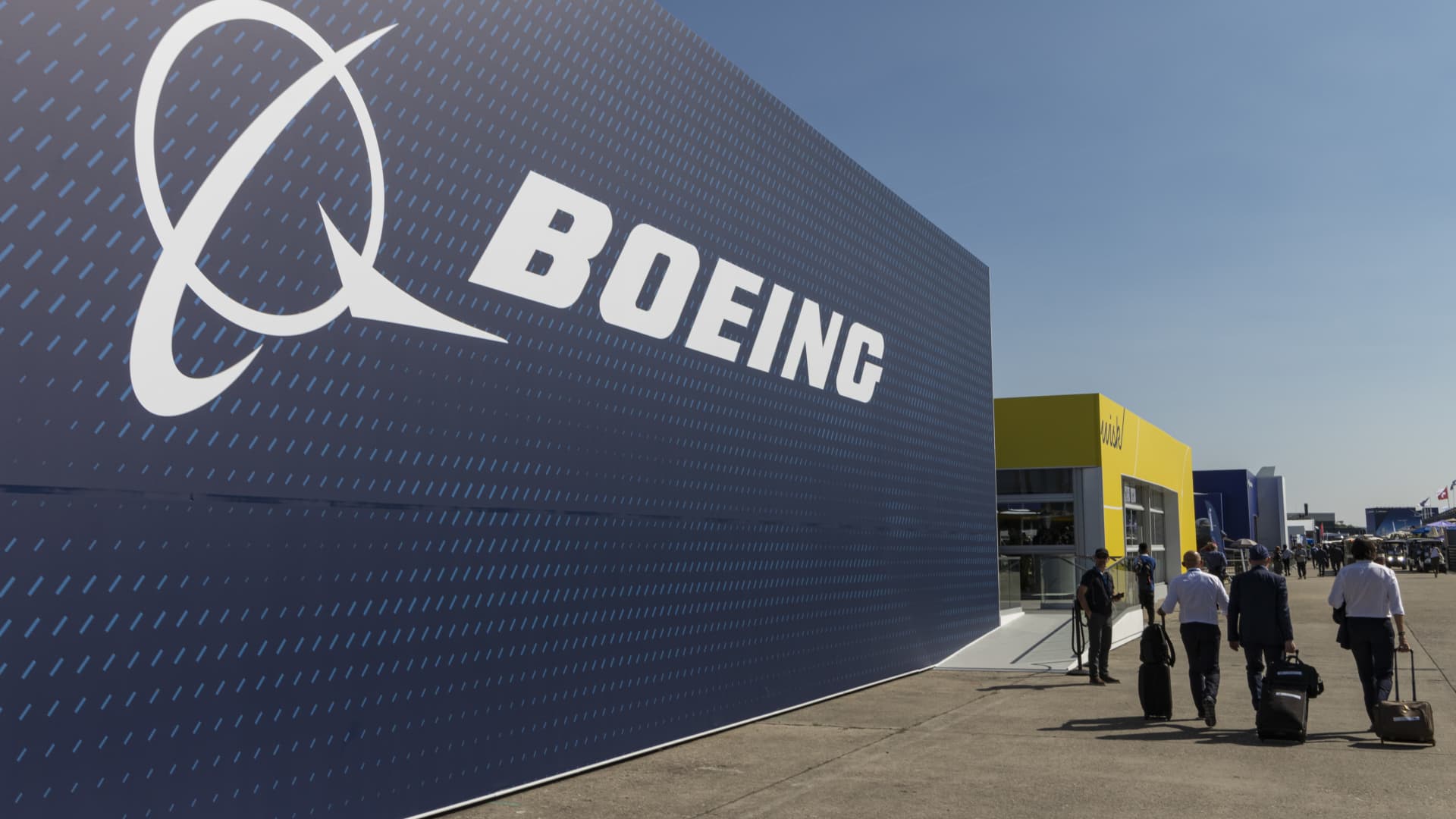
The Boeing Company is facing a significant challenge as its defense workers in Missouri have voted against the company’s latest contract offer. This decision has resulted in over 3,000 workers in the St. Louis area remaining on strike, marking the first walkout in almost three decades. The strike primarily involves employees who assemble and maintain F-15 fighter jets and missile systems.
The workers, represented by the International Association of Machinists and Aerospace Workers, rejected the modified contract deal due to its insufficient signing bonus and lack of improvement in 401(k) benefits. Despite the company’s offer of 45% average wage growth, which would increase the average wage from $75,000 to $109,000, the workers opted to continue their strike. The union has emphasized that the democratic vote reflects the determination of its members to have their voices heard and to secure a more satisfactory agreement.
Background of the Dispute
The dispute between Boeing and its defense workers began earlier this year, with the workers seeking better wages and benefits. The company had previously offered a contract deal that included 20% general wage increases and a $5,000 signing bonus, but this was rejected by the workers. The recent offer, which included a higher wage growth rate, was still deemed insufficient by the workers, leading to the current strike.
Boeing has announced plans to hire more workers to replace those on strike, citing the need to meet rising demand. However, the union has criticized the company for not listening to its employees and for not making a meaningful offer that respects the sacrifices and skill of the workers. The strike has significant implications for Boeing’s operations and its ability to deliver on its defense contracts.
Impact of the Strike
The strike is likely to have far-reaching consequences for Boeing, its employees, and the broader defense industry. The company’s decision to hire replacement workers may help to mitigate some of the immediate effects of the strike, but it is unlikely to resolve the underlying issues. The union has made it clear that its members will continue to stand together until their demands are met, and it remains to be seen how the company will respond to the ongoing strike.
As the situation continues to unfold, it is essential to consider the broader context of the dispute. The strike highlights the ongoing challenges faced by workers in the defense industry, who often require specialized skills and training. The dispute also raises questions about the role of unions in representing workers’ interests and the need for companies to engage in meaningful dialogue with their employees.


Community Mentorship Programs Help Strengthen Local Workforce and Social Impact

Low-Code Platforms are Changing How Businesses Build Internal Technology

Microlearning in Employee Training: A Practical Approach to Workplace Skill Development

Decision-Making Frameworks Improve Strategic Leadership and Organizational Clarity

Career Ladder Programs Strengthen Workforce Development and Employee Retention

Workplace Recognition Programs Improve Organizational Culture and Employee Engagement

Why Mental Endurance is Essential for Workplace Resilience

What Informational Interviews are and Why they Matter

How Emotional Intelligence Can Help You Manage Stress and Build Resilience

Interview with Dr. Kristy K. Taylor, WORxK Global News Magazine Founder

Sarah Herrlinger Talks AirPods Pro Hearing Aid

NetWork Your Way to Success: Top Tips for Maximizing Your Professional Network

Unlocking Human Potential: Kim Groshek’s Journey to Transforming Leadership and Stress Resilience

The Power of Belonging: Why Feeling Accepted Matters in the Workplace

Health-care stocks fall after Warren PBM bill, Brian Thompson shooting

Glenda Benevides: Creating Global Impact Through Music
-
 Resiliency7 months ago
How Emotional Intelligence Can Help You Manage Stress and Build Resilience
-
 Career Advice1 year ago
Interview with Dr. Kristy K. Taylor, WORxK Global News Magazine Founder
-
 Diversity and Inclusion (DEIA)1 year ago
Sarah Herrlinger Talks AirPods Pro Hearing Aid
-
 Career Advice1 year ago
NetWork Your Way to Success: Top Tips for Maximizing Your Professional Network
-
 Changemaker Interviews1 year ago
Unlocking Human Potential: Kim Groshek’s Journey to Transforming Leadership and Stress Resilience
-
 Diversity and Inclusion (DEIA)1 year ago
The Power of Belonging: Why Feeling Accepted Matters in the Workplace
-
 Global Trends and Politics1 year ago
Health-care stocks fall after Warren PBM bill, Brian Thompson shooting
-
 Changemaker Interviews12 months ago
Glenda Benevides: Creating Global Impact Through Music