
Global Trends and Politics
Summer travel isn’t as easy as it used to be for airlines

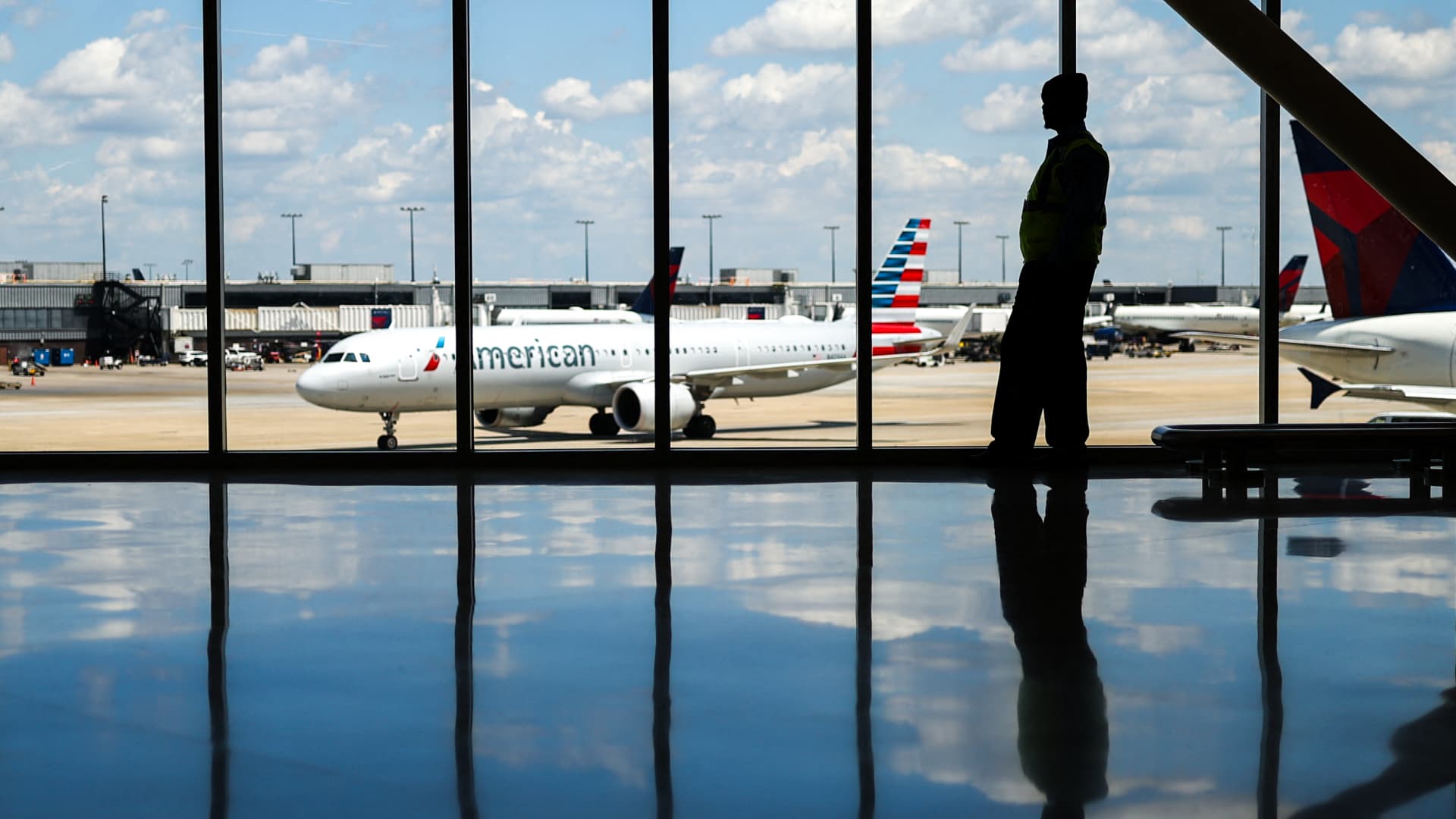
Airlines’ Summer Slump: How Changing Travel Patterns Are Impacting the Industry
The summer months are typically a lucrative time for airlines, but this year, many carriers are finding it challenging to make a profit. With travelers opting to fly earlier in the year, demand for flights to Europe shifting to the fall, and customers becoming increasingly unpredictable, airlines are being forced to reassess their schedules and pricing strategies.
In recent years, schools have been letting out earlier, and as a result, families are planning their vacations sooner. This has led to a surge in demand for flights in May and June, rather than the traditional peak summer months. Additionally, travelers with more flexibility, such as retirees, are choosing to visit Europe in the fall when the weather is milder and the crowds are smaller.
Adjusting to the New Reality
Airline executives are having to get creative with their scheduling, cutting back on flights in August and adjusting their routes to meet the changing demand. Labor and other costs have increased significantly since the pandemic, making it essential for airlines to get their scheduling right to remain profitable. According to aviation data firm Cirium, U.S. airlines’ domestic capacity is down 6% in August compared to July, a more significant reduction than in previous years.
The capacity cuts are expected to drive up airfares, which have already risen 0.7% in July compared to the same period last year. The latest U.S. inflation report also shows a seasonally adjusted 4% jump in airfares from June to July. As airlines strive to balance supply and demand, they are being forced to make tough decisions about which routes to maintain and which to cut.
Planning for the Future
Some airlines are already looking ahead to next year, trying to anticipate how travel patterns will continue to evolve. American Airlines’ vice president of network planning and schedule, Brian Znotins, notes that schools are starting earlier and earlier, which is impacting travel demand. In response, American is shifting its peak flying period to the week before Memorial Day and adding new long-haul international flights.
Southwest Airlines, which has a strong presence in Texas, has also adjusted its schedule to reflect the changing travel patterns. The airline ended its summer schedule on August 5 this year, compared to August 15 in 2023. As the industry continues to navigate these changes, airlines are focusing on creating schedules that meet the needs of their customers while also ensuring profitability.
Optimism for the Future
Despite the challenges, there is optimism among airline analysts that the industry will rebound. Raymond James airline analyst Savanthi Syth notes that the capacity cuts and more encouraging booking patterns are fueling hopes for a better supply and demand balance in the coming weeks. As travelers become more confident in their future plans, they are more likely to spend on travel, which could lead to increased demand and higher fares.


Community Mentorship Programs Help Strengthen Local Workforce and Social Impact

Low-Code Platforms are Changing How Businesses Build Internal Technology

Microlearning in Employee Training: A Practical Approach to Workplace Skill Development

Decision-Making Frameworks Improve Strategic Leadership and Organizational Clarity

Career Ladder Programs Strengthen Workforce Development and Employee Retention

Workplace Recognition Programs Improve Organizational Culture and Employee Engagement

Why Mental Endurance is Essential for Workplace Resilience

What Informational Interviews are and Why they Matter

How Emotional Intelligence Can Help You Manage Stress and Build Resilience

Interview with Dr. Kristy K. Taylor, WORxK Global News Magazine Founder

Sarah Herrlinger Talks AirPods Pro Hearing Aid

NetWork Your Way to Success: Top Tips for Maximizing Your Professional Network

Unlocking Human Potential: Kim Groshek’s Journey to Transforming Leadership and Stress Resilience

The Power of Belonging: Why Feeling Accepted Matters in the Workplace

Health-care stocks fall after Warren PBM bill, Brian Thompson shooting

Glenda Benevides: Creating Global Impact Through Music
-
 Resiliency7 months ago
How Emotional Intelligence Can Help You Manage Stress and Build Resilience
-
 Career Advice1 year ago
Interview with Dr. Kristy K. Taylor, WORxK Global News Magazine Founder
-
 Diversity and Inclusion (DEIA)1 year ago
Sarah Herrlinger Talks AirPods Pro Hearing Aid
-
 Career Advice1 year ago
NetWork Your Way to Success: Top Tips for Maximizing Your Professional Network
-
 Changemaker Interviews1 year ago
Unlocking Human Potential: Kim Groshek’s Journey to Transforming Leadership and Stress Resilience
-
 Diversity and Inclusion (DEIA)1 year ago
The Power of Belonging: Why Feeling Accepted Matters in the Workplace
-
 Global Trends and Politics1 year ago
Health-care stocks fall after Warren PBM bill, Brian Thompson shooting
-
 Changemaker Interviews12 months ago
Glenda Benevides: Creating Global Impact Through Music