
Global Trends and Politics
Tariff Threat Already Raising Prices for U.S. Consumers

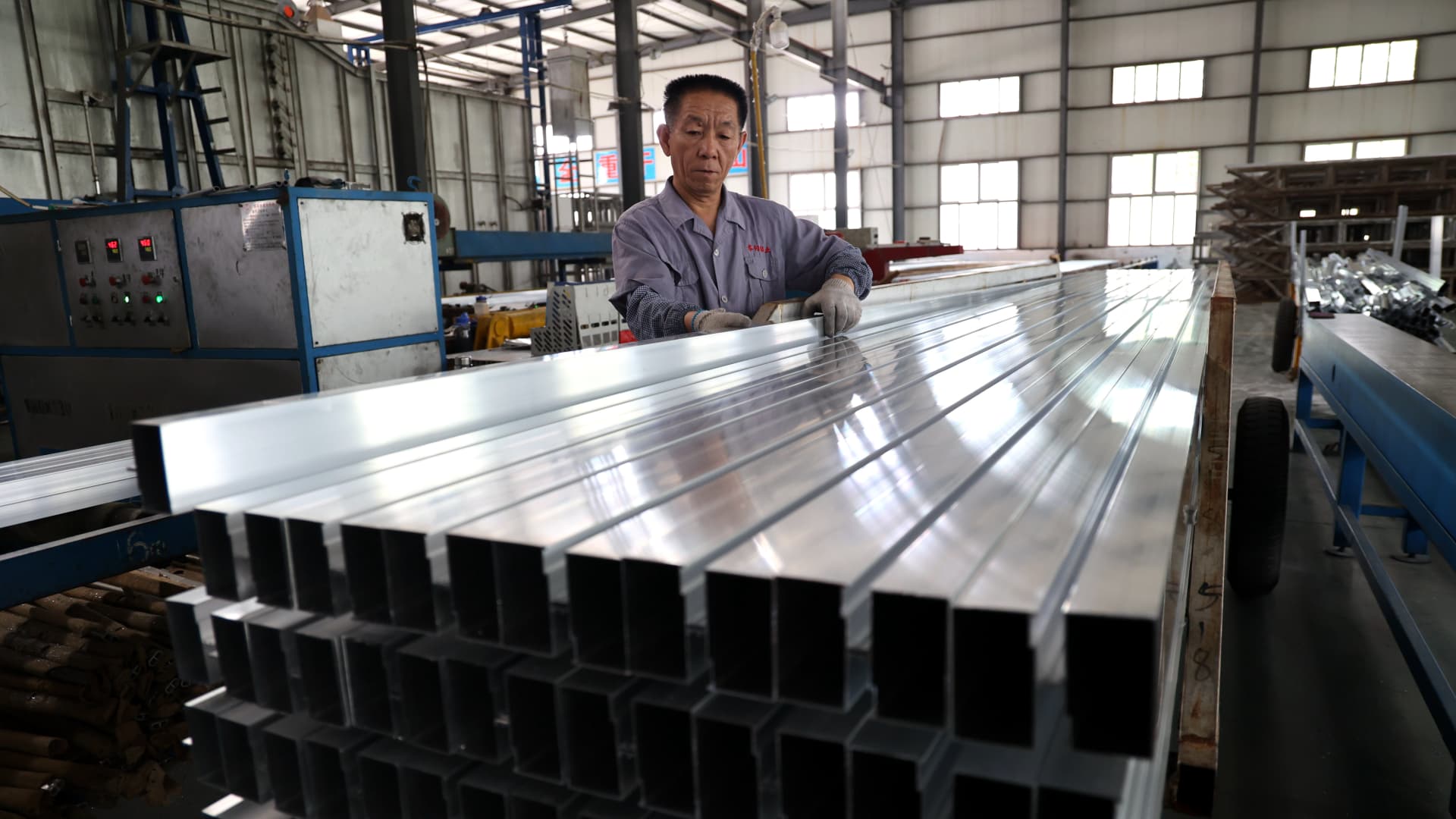
As President Donald Trump threatens to impose his first tranche of tariffs on the world Saturday, Chinese manufacturers are bracing for impact. Though Trump is proposing his biggest initial swing at Canada and Mexico with a proposed 25% tariff, the U.S. president still has China on his radar. After a report that the administration could delay at least some of the duties until March 1, the White House said Friday that Trump will follow through on plans to slap 10% tariffs on imports from China on Saturday. On the campaign trail, he threatened tariffs on Chinese-made goods of 60% or more.
Tariff threat already raising prices for U.S. consumers
Hoping to beat Trump’s tariffs, furniture seller Harry Li is doubling the number of products he ships to the U.S. and stockpiling them in warehouses there. He expects the strategy will force him to raise prices as much as 10% – no matter what Trump’s tariffs turn out to be. He sells four out of five of his tables and other large furnishings to American consumers.
“I have to ship them in advance and take on more risk,” he said at his Foshan factory. His company Tianyiled plans to keep the extra inventory in the U.S. until Trump’s tariff plan for China becomes clearer.
Chinese factories adopt coping strategies
In addition to stockpiling, Li is considering other ways to avoid the border taxes. “One thing we can do is to pick those products not on the tariff list and export them to the U.S. instead,” he said.
In the nearby industrial city of Guangzhou, water purifier maker Zheng Yu is scouring the globe to find a new production base to supply the U.S. outside of China. He plans to set up assembly lines in a third country, buying some equipment and components from China while hiring locally for certain jobs. Zheng’s company Tesran is considering Vietnam, Malaysia, and Mexico as manufacturing bases, but is leaning toward Dubai even though costs will be 30% higher than in China.
“The domestic market is too competitive. We have been wanting to jump out of it for some time,” he said. “Trump’s tariffs gave us the final push.”
Chinese factories have a breaking point – which could lead to less choice for U.S. shoppers
All the businesses CNBC spoke to had a breaking point at which it would no longer make sense to sell to the U.S. The tariff thresholds ranged from 20 to 60%, and depended on the industry and the size of a company’s margins.
Water purifier maker Zheng said another wild card is whether President Trump unleashes proposed universal tariffs that, in his case, would raise costs for Dubai. “Then the U.S. is out,” he said.
Across Guangzhou, Leng Rong, who makes skin care products, is worried he might have to stop exporting to the U.S. completely. His goods got hit with tariffs north of 20% during Trump’s first term and it caused big losses for his company, Keni.
With his thin margins, Leng is hoping he can pass the cost of any tariff to his customers. “In the past, we all felt the U.S. market was the greatest market that everyone wanted to sell to. But with all the uncertainties and unfriendly decisions, the U.S. is less attractive now,” Leng said at his Guangzhou factory. “It’s a real pity.”
Conclusion
The threat of tariffs is already having an impact on Chinese manufacturers, with many adopting coping strategies to mitigate the effects. From stockpiling products to setting up new production bases in other countries, exporters are bracing for impact. However, if Trump’s tariffs become a reality, it could lead to a reduction in choice for U.S. consumers.
FAQs
Q: What are the proposed tariffs on Chinese goods?
A: The proposed tariffs range from 10% to 60% depending on the product and industry.
Q: How are Chinese manufacturers coping with the threat of tariffs?
A: Many are stockpiling products, setting up new production bases in other countries, and scouting for new markets.
Q: Will this lead to higher prices for U.S. consumers?
A: Yes, many expect prices to rise, potentially by as much as 10%.
Q: Will Chinese manufacturers continue to export to the U.S. if tariffs are imposed?
A: Some may, but many have a breaking point at which it may no longer be profitable to sell to the U.S. market.


Community Mentorship Programs Help Strengthen Local Workforce and Social Impact

Low-Code Platforms are Changing How Businesses Build Internal Technology

Microlearning in Employee Training: A Practical Approach to Workplace Skill Development

Decision-Making Frameworks Improve Strategic Leadership and Organizational Clarity

Career Ladder Programs Strengthen Workforce Development and Employee Retention

Workplace Recognition Programs Improve Organizational Culture and Employee Engagement

Why Mental Endurance is Essential for Workplace Resilience

What Informational Interviews are and Why they Matter

How Emotional Intelligence Can Help You Manage Stress and Build Resilience

Interview with Dr. Kristy K. Taylor, WORxK Global News Magazine Founder

Sarah Herrlinger Talks AirPods Pro Hearing Aid

NetWork Your Way to Success: Top Tips for Maximizing Your Professional Network

Unlocking Human Potential: Kim Groshek’s Journey to Transforming Leadership and Stress Resilience

The Power of Belonging: Why Feeling Accepted Matters in the Workplace

Health-care stocks fall after Warren PBM bill, Brian Thompson shooting

Glenda Benevides: Creating Global Impact Through Music
-
 Resiliency7 months ago
How Emotional Intelligence Can Help You Manage Stress and Build Resilience
-
 Career Advice1 year ago
Interview with Dr. Kristy K. Taylor, WORxK Global News Magazine Founder
-
 Diversity and Inclusion (DEIA)1 year ago
Sarah Herrlinger Talks AirPods Pro Hearing Aid
-
 Career Advice1 year ago
NetWork Your Way to Success: Top Tips for Maximizing Your Professional Network
-
 Changemaker Interviews1 year ago
Unlocking Human Potential: Kim Groshek’s Journey to Transforming Leadership and Stress Resilience
-
 Diversity and Inclusion (DEIA)1 year ago
The Power of Belonging: Why Feeling Accepted Matters in the Workplace
-
 Global Trends and Politics1 year ago
Health-care stocks fall after Warren PBM bill, Brian Thompson shooting
-
 Changemaker Interviews12 months ago
Glenda Benevides: Creating Global Impact Through Music