
Innovation and Technology
Tech Partnership Reduces Active Suspension Size, Weight, Cost

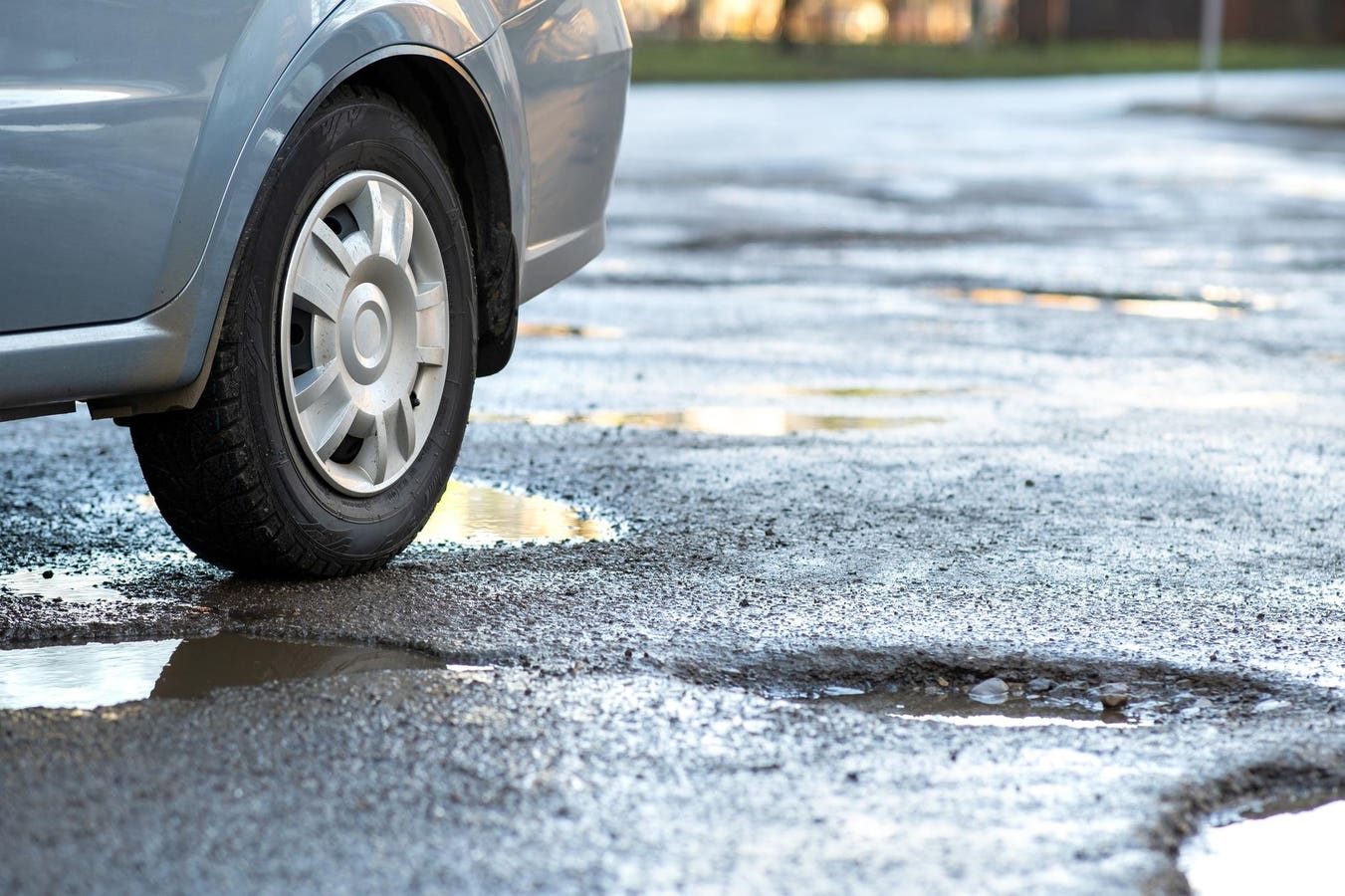
A new partnership aims to make a comfort feature generally available only in luxury vehicles, smaller and less expensive enough to be offered in more affordable models. That feature is called active suspension. As opposed to what’s known as passive suspension using shock absorbers and springs, active suspension does a better job absorbing road bumps and other inconsistencies and providing a quieter ride using electronic components and sensors.
The Challenges of Active Suspension
The problem is, active suspension systems are heavier and more expensive. They also require 10-15 kilowatts of power, requiring large and heavy DC-to-DC power converters. But a partnership between Andover, Massachusetts-based Vicor and Chinese tech firm Xiamen Hongfa Electroacoustic Co., Ltd., better known as Hongfa, is combining their expertise to solve those issues, the companies announced Wednesday.
The Solution: Compact and Efficient Active Suspension
Hongfa has designed the smallest and lightest active suspension system on the market by combining a 48V architecture and high-density power modules. Four Vicor fixed-ratio BCM6135, 800V-to-48V DC-DC bus converters are used to convert high voltage to 48V and route power to each wheel. Hongfa, a leading manufacturer of power relays, developed a compact, lightweight active suspension system using much less power by incorporating high-density, small, lightweight power modules produced by Vicor.
Key Features of the New Active Suspension System
The Hongfa active suspension system is liquid cooled and is the most compact on the market, weighing 2.6kg and measuring 197 x 201 x 71mm, according to the company. The concept leverages the 48 volt networks replacing 12 volt systems in today’s electrified vehicles aimed at improving efficiency and reducing vehicle size and weight. It’s a power level considered safe for anyone servicing a vehicle, and also allows a major reduction in the size of active suspension system actuators.
How the System Works
The vehicle’s 800 volt battery provides current when the vehicle travels over smooth road surfaces, and the suspension actuation motor is the 48 volt load. When the vehicle travels over a bumpy road, the linear motors in the suspension system momentarily become generators, which increase the voltage on the low side of the converter. This difference in voltage reverses the direction of current flow. The 800V battery then momentarily becomes the load and recovers energy by charging through its battery management control system.
Benefits of the New Active Suspension System
The results could mean a benefit for EV drivers looking to squeeze more driving range from their vehicles’ batteries. “You get a small range increase because of the weight decrease, but also because of the power regeneration, recapturing the power,” said Greg Green, director, automotive marketing at Vicor. Essentially any suspension event, you’re only consuming three to 4% of the total power that was put in, and then 96% or so gets put back into the battery.
Conclusion
The new active suspension system developed by Vicor and Hongfa has the potential to revolutionize the automotive industry by providing a more efficient, compact, and cost-effective solution for luxury and mid-luxury vehicles. With its ability to regenerate power and reduce energy consumption, this system could become ubiquitous across a wider vehicle price range within the next 15 years.
FAQs
- Q: What is active suspension and how does it differ from passive suspension?
A: Active suspension uses electronic components and sensors to absorb road bumps and provide a quieter ride, whereas passive suspension uses shock absorbers and springs. - Q: What are the benefits of the new active suspension system developed by Vicor and Hongfa?
A: The new system is more compact, efficient, and cost-effective, and has the ability to regenerate power and reduce energy consumption. - Q: When can we expect to see the new active suspension system in production vehicles?
A: The first use of the active suspension system incorporating Vicor and Hongfa technology is expected to reach consumers around the end of 2026 or 2027, mainly in luxury and mid-luxury vehicles. - Q: Will the new active suspension system be affected by import tariffs?
A: The impact of import tariffs is expected to be minimal, as Vicor ships its U.S.-made power modules to Hongfa, which builds the finished product.




Community Mentorship Programs Help Strengthen Local Workforce and Social Impact

Low-Code Platforms are Changing How Businesses Build Internal Technology

Microlearning in Employee Training: A Practical Approach to Workplace Skill Development

Decision-Making Frameworks Improve Strategic Leadership and Organizational Clarity

Career Ladder Programs Strengthen Workforce Development and Employee Retention

Workplace Recognition Programs Improve Organizational Culture and Employee Engagement

Why Mental Endurance is Essential for Workplace Resilience

What Informational Interviews are and Why they Matter

How Emotional Intelligence Can Help You Manage Stress and Build Resilience

Interview with Dr. Kristy K. Taylor, WORxK Global News Magazine Founder

Sarah Herrlinger Talks AirPods Pro Hearing Aid

NetWork Your Way to Success: Top Tips for Maximizing Your Professional Network

Unlocking Human Potential: Kim Groshek’s Journey to Transforming Leadership and Stress Resilience

The Power of Belonging: Why Feeling Accepted Matters in the Workplace

Health-care stocks fall after Warren PBM bill, Brian Thompson shooting

Glenda Benevides: Creating Global Impact Through Music
-
 Resiliency7 months ago
How Emotional Intelligence Can Help You Manage Stress and Build Resilience
-
 Career Advice1 year ago
Interview with Dr. Kristy K. Taylor, WORxK Global News Magazine Founder
-
 Diversity and Inclusion (DEIA)1 year ago
Sarah Herrlinger Talks AirPods Pro Hearing Aid
-
 Career Advice1 year ago
NetWork Your Way to Success: Top Tips for Maximizing Your Professional Network
-
 Changemaker Interviews1 year ago
Unlocking Human Potential: Kim Groshek’s Journey to Transforming Leadership and Stress Resilience
-
 Diversity and Inclusion (DEIA)1 year ago
The Power of Belonging: Why Feeling Accepted Matters in the Workplace
-
 Global Trends and Politics1 year ago
Health-care stocks fall after Warren PBM bill, Brian Thompson shooting
-
 Changemaker Interviews12 months ago
Glenda Benevides: Creating Global Impact Through Music