
Innovation and Technology
Technology’s Gradual Paces

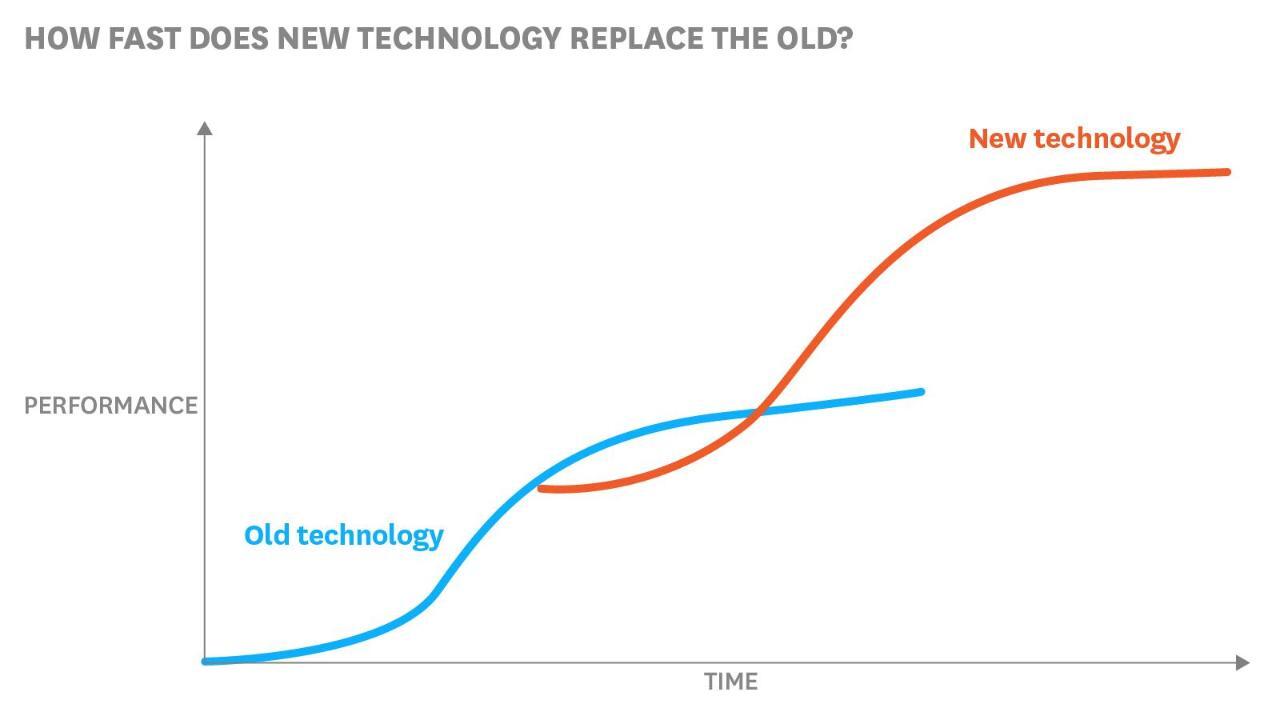
Why Better Technology Can Be Slower to Take Off
The Challenges of Adoption
When new technology emerges, it’s often met with excitement and anticipation. However, the transition to a new technology can be a slow and arduous process. Despite its potential to revolutionize industries and improve lives, better technology can be slower to take off due to various challenges.
Resistance to Change
One of the primary obstacles to the adoption of better technology is resistance to change. Many people are comfortable with their existing systems and may be hesitant to switch to a new technology, especially if it requires significant training or changes to their work processes. This resistance can be particularly strong in industries where traditional methods have been used for years.
Complexity and Cost
Another challenge is the complexity and cost associated with new technology. New systems can be difficult to implement, requiring significant investment in infrastructure, training, and maintenance. This can be a barrier for many organizations, particularly small and medium-sized businesses or those with limited resources.
The Importance of Readiness
While better technology can be slower to take off, it’s crucial for organizations to be prepared to adopt it. This includes having the necessary resources, infrastructure, and personnel to support the transition. It’s also essential to have a clear understanding of the benefits and potential drawbacks of the new technology to make informed decisions.
Scalability and Flexibility
Scalability and flexibility are also critical factors in the adoption of new technology. The technology should be able to grow and adapt to the organization’s needs, and it should be able to integrate with existing systems. This can help to ensure a smoother transition and reduce the risk of downtime or other disruptions.
Conclusion
In conclusion, while better technology can be slower to take off, it’s essential for organizations to be prepared to adopt it. By understanding the challenges of adoption, including resistance to change, complexity, and cost, organizations can better prepare themselves for the transition. Additionally, having a clear understanding of the benefits and potential drawbacks of the new technology can help to make informed decisions. With the right approach, better technology can bring significant benefits, including improved efficiency, increased productivity, and enhanced competitiveness.
FAQs
Q: What are some common challenges in adopting new technology?
A: Common challenges include resistance to change, complexity, and cost.
Q: How can organizations prepare for the adoption of new technology?
A: Organizations should have the necessary resources, infrastructure, and personnel to support the transition, and have a clear understanding of the benefits and potential drawbacks of the new technology.
Q: What are some key factors to consider when selecting new technology?
A: Key factors include scalability, flexibility, and the ability to integrate with existing systems.


Community Mentorship Programs Help Strengthen Local Workforce and Social Impact

Low-Code Platforms are Changing How Businesses Build Internal Technology

Microlearning in Employee Training: A Practical Approach to Workplace Skill Development

Decision-Making Frameworks Improve Strategic Leadership and Organizational Clarity

Career Ladder Programs Strengthen Workforce Development and Employee Retention

Workplace Recognition Programs Improve Organizational Culture and Employee Engagement

Why Mental Endurance is Essential for Workplace Resilience

What Informational Interviews are and Why they Matter

How Emotional Intelligence Can Help You Manage Stress and Build Resilience

Interview with Dr. Kristy K. Taylor, WORxK Global News Magazine Founder

Sarah Herrlinger Talks AirPods Pro Hearing Aid

NetWork Your Way to Success: Top Tips for Maximizing Your Professional Network

Unlocking Human Potential: Kim Groshek’s Journey to Transforming Leadership and Stress Resilience

The Power of Belonging: Why Feeling Accepted Matters in the Workplace

Health-care stocks fall after Warren PBM bill, Brian Thompson shooting

Glenda Benevides: Creating Global Impact Through Music
-
 Resiliency7 months ago
How Emotional Intelligence Can Help You Manage Stress and Build Resilience
-
 Career Advice1 year ago
Interview with Dr. Kristy K. Taylor, WORxK Global News Magazine Founder
-
 Diversity and Inclusion (DEIA)1 year ago
Sarah Herrlinger Talks AirPods Pro Hearing Aid
-
 Career Advice1 year ago
NetWork Your Way to Success: Top Tips for Maximizing Your Professional Network
-
 Changemaker Interviews1 year ago
Unlocking Human Potential: Kim Groshek’s Journey to Transforming Leadership and Stress Resilience
-
 Diversity and Inclusion (DEIA)1 year ago
The Power of Belonging: Why Feeling Accepted Matters in the Workplace
-
 Global Trends and Politics1 year ago
Health-care stocks fall after Warren PBM bill, Brian Thompson shooting
-
 Changemaker Interviews12 months ago
Glenda Benevides: Creating Global Impact Through Music