
Innovation and Technology
The 8 AI Agent Trends For 2026 Everyone Must Be Ready For Now

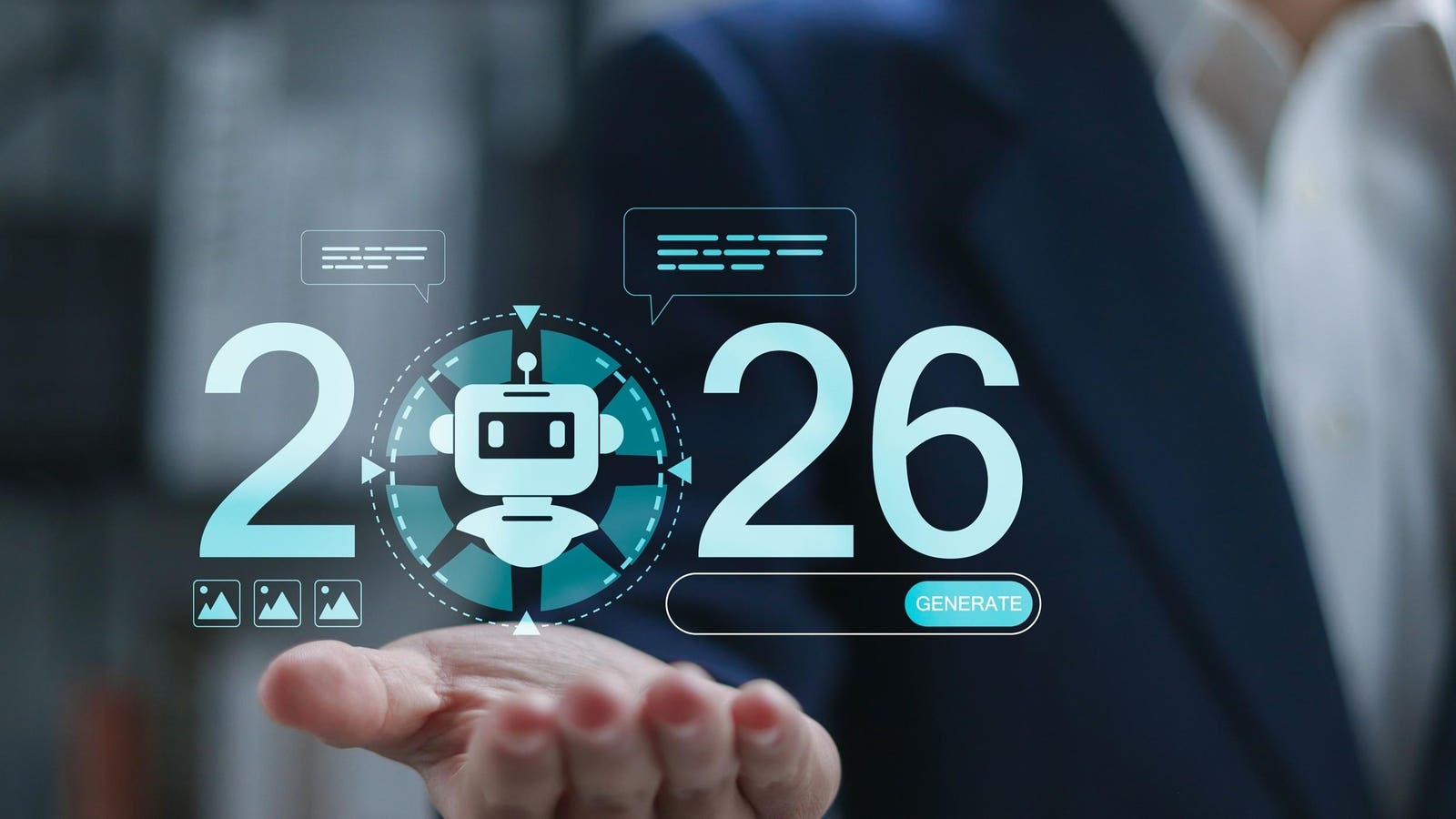
The world of artificial intelligence (AI) is rapidly evolving, and one of the most significant developments is the emergence of AI agents. These agents are capable of managing complex tasks, making strategic decisions, and interacting with various systems. As we move into 2026, it’s essential to understand the key trends shaping the adoption and use of AI agents in businesses and individuals’ lives.
Introduction to AI Agents
AI agents represent the next generation of AI, building upon the generative AI revolution that has taken place over the past two years. Unlike traditional AI systems, agents can take action, carry out multi-step tasks, and work towards long-term goals with minimal human interaction. This shift has the potential to transform various industries, from healthcare and finance to marketing and cybersecurity.
Eight Key Trends in AI Agents
In 2026, we can expect to see significant advancements in AI agents, driven by eight key trends. These trends will shape how businesses and individuals utilize AI agents, and it’s crucial to understand their implications. The eight trends are: agentic teamworking, agents for everyday tasks, marketing to AI agents, AI agents in healthcare, agents in cyber attack and defense, agents in financial services, agents as AI companions, and the trust issue.
Agentic Teamworking
One of the most exciting capabilities of AI agents is their potential to work together in teams. This agentic architecture consists of specialized agents designed to work on specific tasks while collaborating and sharing data. For instance, e-commerce businesses can deploy agents to create product listings based on data from purchasing and inventory agents, which in turn work with marketing agents to understand customer demand. This coordinated approach can help businesses achieve strategic goals more efficiently.
Agents for Everyday Tasks
As AI agents become more prevalent, they will increasingly become a routine part of everyday life. Imagine having a personal grocery shopping agent that can place orders and manage deliveries based on your cooking plans. Or, a personal fitness agent that can manage your exercise and training schedules. AI agents will take care of the details, allowing individuals to focus on more important things.
Marketing to AI Agents
With AI agents making buying decisions on behalf of individuals, marketers need to adapt their strategies. Traditional marketing approaches, such as emotional appeals and influencer marketing, may not be effective for AI agents. Instead, businesses will focus on ensuring that their products and services are easily discoverable, assessable, and understandable by AI agents. This may involve optimizing product information, trust signals, and domain authority.
AI Agents in Healthcare
In healthcare, AI agents have the potential to revolutionize patient care and outcomes. They can oversee entire patient journeys, coordinating diagnosis, treatment, and aftercare. AI agents can also help individuals take a holistic approach to their health, understanding the links between lifestyle, medication, and risk factors. With global shortages of trained healthcare professionals and rising costs, AI agents may become a vital component of healthcare systems.
Agents in Cyber Attack and Defense
The increasing rate and scale of cyberattacks have created new challenges for businesses and individuals. AI agents can be used to launch advanced cyberattacks, but they can also be utilized to defend against these threats. In 2026, we can expect to see the development of AI-powered defense systems that can adapt, hunt, and neutralize cyber threats. This shift from reactive to proactive defenses will be critical in the ongoing war against phishing, ransomware, and data theft.
Agents in Financial Services
Financial services will be one of the first sectors to be impacted by AI agents. Banks and insurers will use agents to handle complex compliance processes, monitor accounts and transactions, and detect fraud. AI agents can also help individuals prepare paperwork and gather documentation for mortgage and loan applications, and balance investment portfolios to minimize risks and maximize returns.
Agents as AI Companions
AI agents will not only drive productivity and efficiency but also provide companionship and social interaction. Research has shown that generative AI is being used for therapy and companionship, and AI agents will build upon this by acting as always-on, action-taking virtual friends. While there are potential risks associated with relying on AI companions, they can also have positive uses, such as combating loneliness and social isolation.
The Trust Issue
As AI agents become more prevalent, the question of trust will become increasingly important. Can we trust AI agents to make decisions on our behalf, manage our finances, and act in our best interests? For mainstream acceptance, AI service providers will need to demonstrate transparency, accountability, and alignment with human values. This will require ongoing efforts to build trust and ensure that AI agents are used responsibly and ethically.
Preparing for an Agent-Driven Future
AI agents are poised to transform various aspects of our lives, from work and shopping to healthcare and social interaction. As we move into 2026, it’s essential to prepare for an agent-driven future. This will require building trust, ensuring ethical use, and rethinking processes to enable effective collaboration between humans and AI agents. By understanding the trends and implications of AI agents, we can harness their potential to create a more efficient, productive, and compassionate world.




Community Mentorship Programs Help Strengthen Local Workforce and Social Impact

Low-Code Platforms are Changing How Businesses Build Internal Technology

Microlearning in Employee Training: A Practical Approach to Workplace Skill Development

Decision-Making Frameworks Improve Strategic Leadership and Organizational Clarity

Career Ladder Programs Strengthen Workforce Development and Employee Retention

Workplace Recognition Programs Improve Organizational Culture and Employee Engagement

Why Mental Endurance is Essential for Workplace Resilience

What Informational Interviews are and Why they Matter

How Emotional Intelligence Can Help You Manage Stress and Build Resilience

Interview with Dr. Kristy K. Taylor, WORxK Global News Magazine Founder

Sarah Herrlinger Talks AirPods Pro Hearing Aid

NetWork Your Way to Success: Top Tips for Maximizing Your Professional Network

Unlocking Human Potential: Kim Groshek’s Journey to Transforming Leadership and Stress Resilience

The Power of Belonging: Why Feeling Accepted Matters in the Workplace

Health-care stocks fall after Warren PBM bill, Brian Thompson shooting

Glenda Benevides: Creating Global Impact Through Music
-
 Resiliency7 months ago
How Emotional Intelligence Can Help You Manage Stress and Build Resilience
-
 Career Advice1 year ago
Interview with Dr. Kristy K. Taylor, WORxK Global News Magazine Founder
-
 Diversity and Inclusion (DEIA)1 year ago
Sarah Herrlinger Talks AirPods Pro Hearing Aid
-
 Career Advice1 year ago
NetWork Your Way to Success: Top Tips for Maximizing Your Professional Network
-
 Changemaker Interviews1 year ago
Unlocking Human Potential: Kim Groshek’s Journey to Transforming Leadership and Stress Resilience
-
 Diversity and Inclusion (DEIA)1 year ago
The Power of Belonging: Why Feeling Accepted Matters in the Workplace
-
 Global Trends and Politics1 year ago
Health-care stocks fall after Warren PBM bill, Brian Thompson shooting
-
 Changemaker Interviews12 months ago
Glenda Benevides: Creating Global Impact Through Music