
Diversity and Inclusion (DEIA)
The Forgotten Black Lesbian Dandies

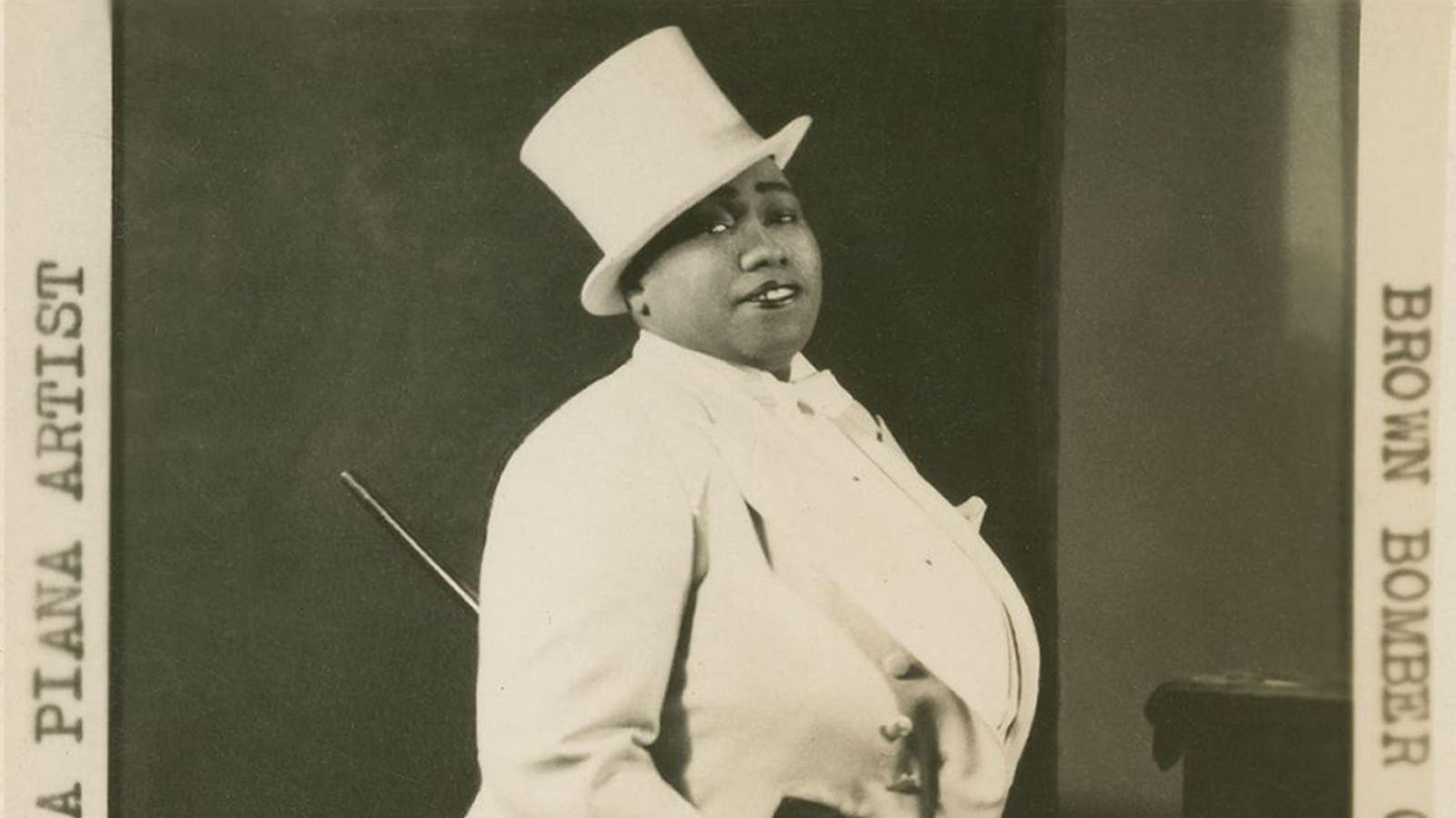
The 2025 Met Gala theme, “Superfine: Tailoring Black Style,” celebrates the essence of Black dandyism, taking inspiration from style trailblazers like André Leon Talley, Dapper Dan, Langston Hughes, and James Baldwin. In tandem with the Costume Institute’s exhibition, the theme pays homage to the art of fine tailoring and the enduring style of Black men—from the 18th century through the Harlem Renaissance of the Roaring Twenties to present day. While the Met Gala primarily highlights this tradition through a lens of masculinity, it’s essential to recognize the often-overlooked contributions of women, particularly masculine-presenting lesbians, who were also pioneers of this style.
The Emergence of Female Dandies in the 1920s
During the 1920s, as jazz and blues dominated mainstream entertainment and echoed through every speakeasy from 110th Street to 155th in New York, a small group of women began embracing masculine attire—not just on stage, but in their everyday lives. Black queer artists and intellectuals played a pivotal role in shaping this style of dandyism. Like many queer people in early 20th-century America, they often had to hide their sexualities and gender identities. However, for masculine-presenting lesbians, their performance of masculinity—viewed as a kind of spectacle, much like modern-day drag—allowed for a degree of visibility and acceptance. By defying traditional notions of “masculine” and “feminine” dress and behavior, they carved out space for themselves.
Gladys Bentley: A Pioneer of Masculine Lesbianism
At famed speakeasies the Clam House and the Ubangi Club, Gladys Bentley became a prominent figure behind the piano and in front of it. Clad in a white three-piece suit with a trailing coat, a towering top hat, and a cane, the openly lesbian performer captivated audiences with bawdy, jazz-infused sets that included suggestive lyrics about her female lovers. She openly flirted with women in the crowd, embodying a suave, masculine persona that both defied and redefined gender expectations of the era. Bentley’s performances were more than entertainment—they were radical acts of visibility of masculine lesbianism at a time when few had ever witnessed such.
Stormé DeLarverie: The Guardian Angel of the Village
Fifteen blocks north at the Apollo Theater—and three decades later—emerged Stormé DeLarverie: performer, activist, and self-proclaimed “guardian angel of the Village.” A towering figure in both presence and queer legacy, DeLarverie is widely believed to have thrown the first punch at the Stonewall uprising, a claim supported by those closest to her. Stormé DeLarverie, born to an African American mother and a white father, was the only “male impersonator” in the Jewel Box Revue, a queer touring company during the 1950s and ’60s. While the other performers dressed in glittering dresses, DeLarverie stood out—famously photographed in a shawl-collar tuxedo. In another photograph, she appears in a wide-cut zoot suit and fedora, a pipe in hand, fully embodying the Black masculine style standard of that time.
The Legacy of Female Dandies
While Black dandyism is often narrated through the lens of male fashion icons, female and queer dandies have been undeniably present—though historically rendered invisible. Despite this erasure, their influence resonates deeply, not only within the Black queer community but also in contemporary fashion and culture, as seen in figures like Janelle Monáe, Lena Waithe, and others who continue to carry their legacy.
Conclusion
The story of Black dandyism is complex and multifaceted, encompassing not just the styles of Black men but also the pioneering efforts of masculine-presenting lesbians like Gladys Bentley and Stormé DeLarverie. Their contributions to the tradition of Black dandyism are a testament to the power of self-expression and the enduring impact of queer culture on fashion and society.
FAQs
- Q: What is the 2025 Met Gala theme?
A: The 2025 Met Gala theme is “Superfine: Tailoring Black Style,” celebrating the essence of Black dandyism. - Q: Who are some notable figures in the history of Black dandyism?
A: Notable figures include André Leon Talley, Dapper Dan, Langston Hughes, James Baldwin, Gladys Bentley, and Stormé DeLarverie. - Q: What role did masculine-presenting lesbians play in the development of Black dandyism?
A: Masculine-presenting lesbians, such as Gladys Bentley and Stormé DeLarverie, were pioneers in embracing masculine attire and performance, contributing to the visibility and acceptance of queer identities. - Q: How has the legacy of female dandies influenced contemporary fashion and culture?
A: The influence of female dandies can be seen in contemporary figures like Janelle Monáe and Lena Waithe, who continue to embody and evolve the traditions of Black dandyism and queer style.




Community Mentorship Programs Help Strengthen Local Workforce and Social Impact

Low-Code Platforms are Changing How Businesses Build Internal Technology

Microlearning in Employee Training: A Practical Approach to Workplace Skill Development

Decision-Making Frameworks Improve Strategic Leadership and Organizational Clarity

Career Ladder Programs Strengthen Workforce Development and Employee Retention

Workplace Recognition Programs Improve Organizational Culture and Employee Engagement

Why Mental Endurance is Essential for Workplace Resilience

What Informational Interviews are and Why they Matter

How Emotional Intelligence Can Help You Manage Stress and Build Resilience

Interview with Dr. Kristy K. Taylor, WORxK Global News Magazine Founder

Sarah Herrlinger Talks AirPods Pro Hearing Aid

NetWork Your Way to Success: Top Tips for Maximizing Your Professional Network

Unlocking Human Potential: Kim Groshek’s Journey to Transforming Leadership and Stress Resilience

The Power of Belonging: Why Feeling Accepted Matters in the Workplace

Health-care stocks fall after Warren PBM bill, Brian Thompson shooting

Glenda Benevides: Creating Global Impact Through Music
-
 Resiliency7 months ago
How Emotional Intelligence Can Help You Manage Stress and Build Resilience
-
 Career Advice1 year ago
Interview with Dr. Kristy K. Taylor, WORxK Global News Magazine Founder
-
 Diversity and Inclusion (DEIA)1 year ago
Sarah Herrlinger Talks AirPods Pro Hearing Aid
-
 Career Advice1 year ago
NetWork Your Way to Success: Top Tips for Maximizing Your Professional Network
-
 Changemaker Interviews1 year ago
Unlocking Human Potential: Kim Groshek’s Journey to Transforming Leadership and Stress Resilience
-
 Diversity and Inclusion (DEIA)1 year ago
The Power of Belonging: Why Feeling Accepted Matters in the Workplace
-
 Global Trends and Politics1 year ago
Health-care stocks fall after Warren PBM bill, Brian Thompson shooting
-
 Changemaker Interviews12 months ago
Glenda Benevides: Creating Global Impact Through Music