
Organizational Culture
The Human Side of Collaboration: How Tools Can Foster Connection and Community in the Workplace

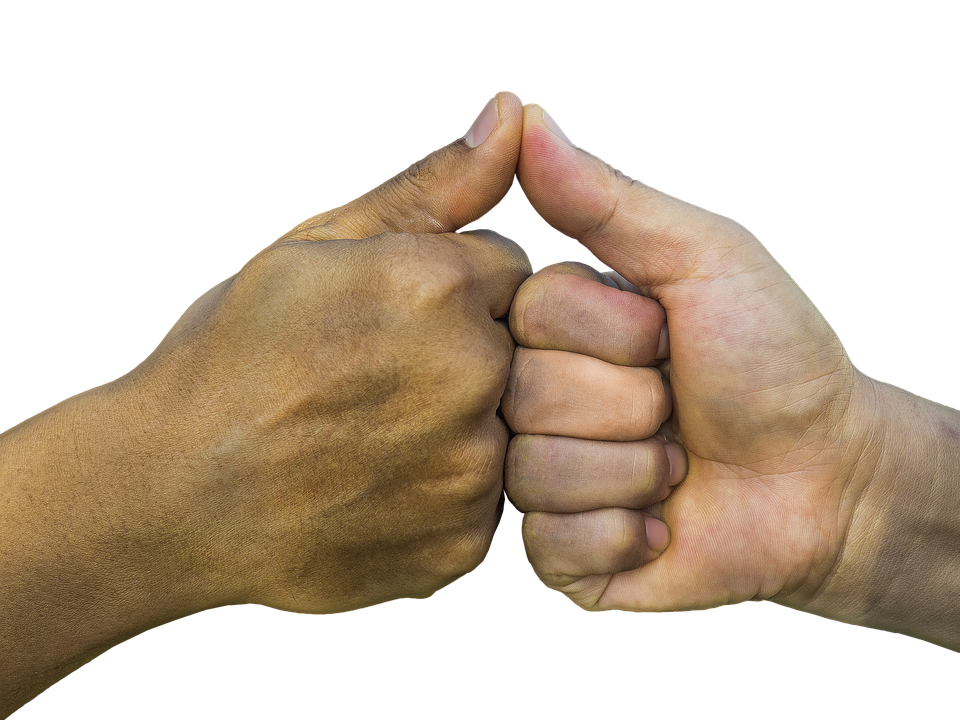
Introduction to Collaboration in the Workplace
The modern workplace is a complex and dynamic environment, where collaboration and teamwork are essential for success. As organizations continue to evolve and grow, it’s becoming increasingly important to recognize the human side of collaboration and how tools can foster connection and community among employees. In this article, we’ll explore the importance of collaboration, the role of tools in facilitating connection and community, and provide insights into how organizations can create a more collaborative and productive work environment.
The Importance of Collaboration
Collaboration is the foundation of a successful organization, as it allows employees to share ideas, expertise, and resources to achieve common goals. When employees collaborate effectively, they can drive innovation, improve problem-solving, and increase productivity. Moreover, collaboration helps to build trust, foster open communication, and promote a sense of camaraderie among team members. By recognizing the importance of collaboration, organizations can create a work environment that encourages employees to work together towards a common objective.
Breaking Down Barriers to Collaboration
Despite the importance of collaboration, many organizations face challenges in fostering a collaborative work environment. One of the main barriers to collaboration is the lack of effective communication and connection among employees. With the rise of remote work and distributed teams, it’s becoming increasingly difficult for employees to connect and collaborate with each other. Additionally, traditional collaboration tools, such as email and meetings, can be time-consuming and inefficient, leading to frustration and disengagement among employees.
The Role of Tools in Fostering Connection and Community
Fortunately, there are many tools and technologies available that can help foster connection and community in the workplace. Collaboration platforms, such as Slack and Microsoft Teams, provide a centralized hub for employees to communicate, share files, and work together on projects. These platforms also offer features, such as video conferencing and screen sharing, that enable employees to connect and collaborate in real-time. Furthermore, social media and online communities can help employees connect with each other outside of work, promoting a sense of community and camaraderie.
Creating a Collaborative Culture
While tools can facilitate connection and community, they are only one part of the equation. Creating a collaborative culture requires a deeper understanding of the human side of collaboration and a willingness to invest in the well-being and development of employees. Organizations can foster a collaborative culture by promoting open communication, recognizing and rewarding collaborative behaviors, and providing opportunities for employees to connect and build relationships with each other. By creating a collaborative culture, organizations can unlock the full potential of their employees and drive business success.
Best Practices for Implementing Collaboration Tools
When implementing collaboration tools, it’s essential to consider the needs and preferences of employees. Organizations should choose tools that are user-friendly, intuitive, and aligned with their business objectives. Additionally, organizations should provide training and support to help employees get the most out of the tools and ensure a smooth transition. By following best practices and considering the human side of collaboration, organizations can create a collaborative work environment that drives productivity, innovation, and success.
Measuring the Success of Collaboration Tools
Finally, organizations should measure the success of their collaboration tools and strategies to ensure they are achieving their desired outcomes. This can be done by tracking key metrics, such as employee engagement, productivity, and collaboration rates. Organizations can also conduct regular surveys and feedback sessions to understand the needs and preferences of employees and identify areas for improvement. By measuring the success of their collaboration tools and strategies, organizations can refine their approach and create a more collaborative and productive work environment.


Community Mentorship Programs Help Strengthen Local Workforce and Social Impact

Low-Code Platforms are Changing How Businesses Build Internal Technology

Microlearning in Employee Training: A Practical Approach to Workplace Skill Development

Decision-Making Frameworks Improve Strategic Leadership and Organizational Clarity

Career Ladder Programs Strengthen Workforce Development and Employee Retention

Workplace Recognition Programs Improve Organizational Culture and Employee Engagement

Why Mental Endurance is Essential for Workplace Resilience

What Informational Interviews are and Why they Matter

How Emotional Intelligence Can Help You Manage Stress and Build Resilience

Interview with Dr. Kristy K. Taylor, WORxK Global News Magazine Founder

Sarah Herrlinger Talks AirPods Pro Hearing Aid

NetWork Your Way to Success: Top Tips for Maximizing Your Professional Network

Unlocking Human Potential: Kim Groshek’s Journey to Transforming Leadership and Stress Resilience

The Power of Belonging: Why Feeling Accepted Matters in the Workplace

Health-care stocks fall after Warren PBM bill, Brian Thompson shooting

Glenda Benevides: Creating Global Impact Through Music
-
 Resiliency7 months ago
How Emotional Intelligence Can Help You Manage Stress and Build Resilience
-
 Career Advice1 year ago
Interview with Dr. Kristy K. Taylor, WORxK Global News Magazine Founder
-
 Diversity and Inclusion (DEIA)1 year ago
Sarah Herrlinger Talks AirPods Pro Hearing Aid
-
 Career Advice1 year ago
NetWork Your Way to Success: Top Tips for Maximizing Your Professional Network
-
 Changemaker Interviews1 year ago
Unlocking Human Potential: Kim Groshek’s Journey to Transforming Leadership and Stress Resilience
-
 Diversity and Inclusion (DEIA)1 year ago
The Power of Belonging: Why Feeling Accepted Matters in the Workplace
-
 Global Trends and Politics1 year ago
Health-care stocks fall after Warren PBM bill, Brian Thompson shooting
-
 Changemaker Interviews12 months ago
Glenda Benevides: Creating Global Impact Through Music