
Diversity and Inclusion (DEIA)
The Limits Of Corporate Allyship During Pride Month

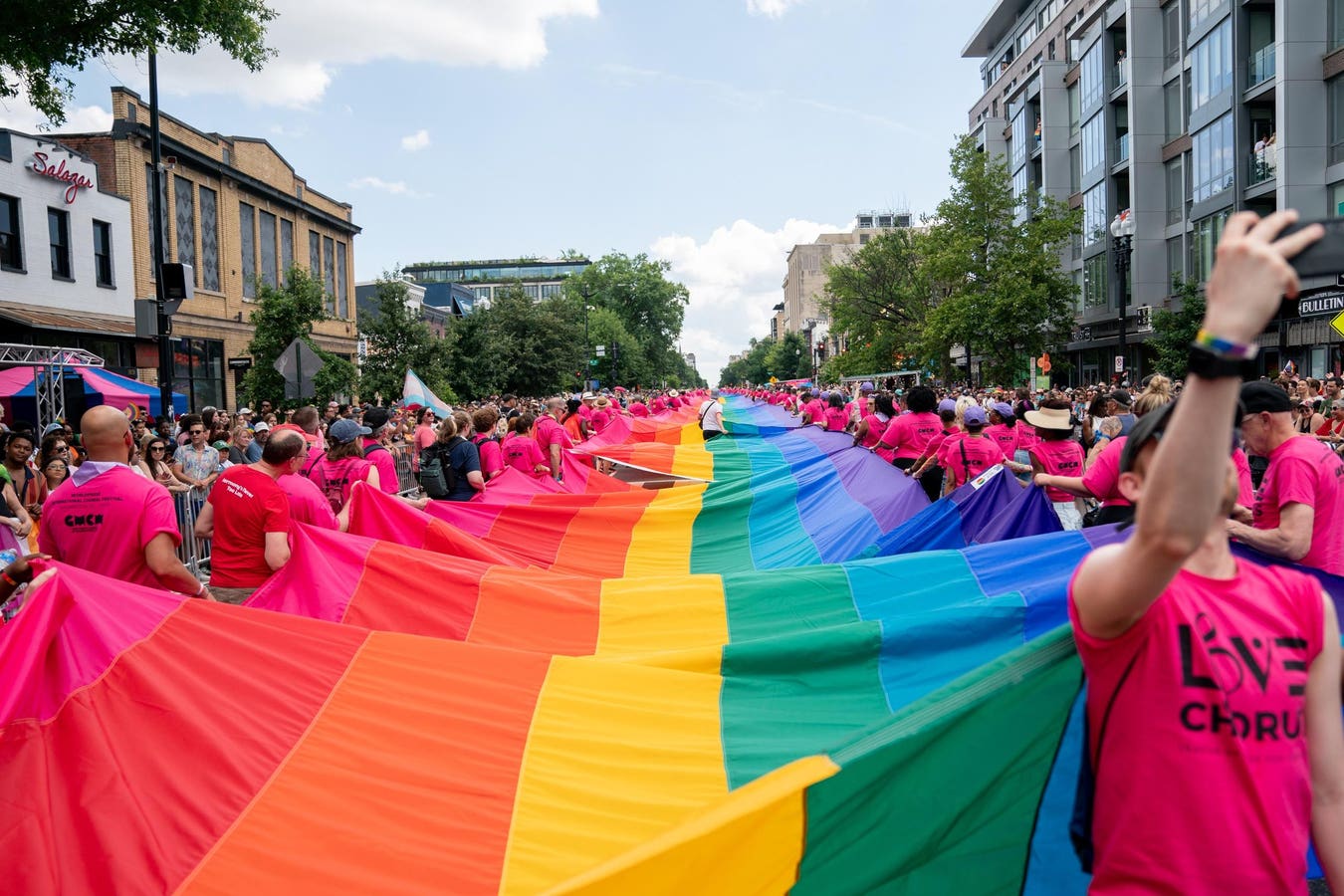
Introduction to Corporate Pride Month Retreat
If you scrolled through corporate social accounts last June, your feed was likely full of rainbow logos and Pride Month tributes. This year, the contrast is hard to miss. Many of those same companies have gone quiet—no rainbow avatars, no influencer campaigns, no public declarations of support for LGBTQ+ employees or customers.
What Happened?
The short answer: political pressure and shifting corporate risk calculations have led many major brands to retreat from Pride Month in 2025. While companies continued Pride campaigns in June 2024—albeit more cautiously after the Bud Light controversy and Target backlash—a noticeable shift has now taken place.
According to Gravity Research, which advises companies on social and political risks, 39% of surveyed brand executives planned to reduce Pride-related engagement this year, with 61% citing the Trump administration as their reason. Not a single respondent said they planned to increase it.
Since taking office, the Trump administration has targeted corporate DEI efforts with executive orders threatening investigations into "illegal" programs and suggesting companies could face regulatory scrutiny—or even blocked mergers—if they don’t comply. Conservative "go woke, go broke" campaigns have amplified the pressure, and companies have responded by scaling back or going silent entirely.
Corporate Silence on Pride Month
This retreat from corporate Pride Month initiatives is measurable. An analysis by dongou.tech tracked companies that displayed Pride-themed rainbow logos on LinkedIn. Of 344 companies that used rainbow logos in 2023, 61% did so again in 2024, and only 46% of those continued the practice in 2025.
The shift extends beyond visuals to actual spending. Digiday reported that LGBTQ+ influencers who once relied on June partnerships for significant annual income faced near-total silence from brands this year as Pride-related advertising spend plummeted.
Even longstanding Pride parade and festival sponsors have pulled back. According to Gravity Research’s 2025 Pride Pulse Poll, 37 percent of respondents decreased sponsorships of external Pride events. The impact is tangible: according to The Drum, NYC Pride faced a $750,000 decrease in sponsorships, San Francisco Pride a $200,000 decrease, with brands including Mastercard, Anheuser-Busch, PepsiCo and Comcast withdrawing support.
Why This Retreat Could Backfire
This corporate pullback comes precisely when LGBTQ+ representation and purchasing power are at historic highs. According to Gallup, 9.3% of US adults now identify as LGBTQ+—a number that has doubled since 2020 and reaches over 20% among Gen Z adults. Merrill estimates this community’s US purchasing power at $1.4 trillion annually.
While Pride’s origins lie in liberation and equality rather than corporate "rainbow capitalism," company support still matters to employees and customers. Randstad’s 2024 Workmonitor Pulse Survey found that only 49% of LGBTQ+ employees felt comfortable discussing their sexuality or gender identity at work, while 57% want their companies to introduce inclusive policies and take public stances on LGBTQ+ issues.
Despite administrative pressure, public support remains strong. According to GLAAD, 71% of Americans agree that brands should be able to show support for the LGBTQ+ community during Pride Month.
Yet companies increasingly view Pride as a liability rather than an opportunity, turning public celebration into strategic retreat.
Conclusion
Corporate support for LGBTQ+ rights has long walked the line between genuine allyship and opportunistic marketing. What we’re seeing in 2025 reveals what happens when that support faces real pressure: many companies choose silence over solidarity.
The consequences extend far beyond missing logos and cancelled sponsorships. These choices send clear messages—to employees, customers, and the broader public—about whose rights companies will defend when the stakes get high.
This Pride Month, fewer brands are waving rainbow flags. But the communities those flags represent haven’t gone anywhere. They’re watching, taking notes, and remembering which companies stood by them when it mattered most.
FAQs
Q: Why have companies reduced their Pride Month engagement in 2025?
A: The main reason is political pressure and shifting corporate risk calculations, with 61% of surveyed brand executives citing the Trump administration as their reason.
Q: How many companies have decreased their Pride-related engagement?
A: According to Gravity Research, 39% of surveyed brand executives planned to reduce Pride-related engagement this year.
Q: What is the impact of the corporate pullback on LGBTQ+ influencers?
A: LGBTQ+ influencers who once relied on June partnerships for significant annual income faced near-total silence from brands this year as Pride-related advertising spend plummeted.
Q: What is the estimated purchasing power of the LGBTQ+ community in the US?
A: Merrill estimates this community’s US purchasing power at $1.4 trillion annually.
Q: What percentage of Americans agree that brands should be able to show support for the LGBTQ+ community during Pride Month?
A: According to GLAAD, 71% of Americans agree that brands should be able to show support for the LGBTQ+ community during Pride Month.




Community Mentorship Programs Help Strengthen Local Workforce and Social Impact

Low-Code Platforms are Changing How Businesses Build Internal Technology

Microlearning in Employee Training: A Practical Approach to Workplace Skill Development

Decision-Making Frameworks Improve Strategic Leadership and Organizational Clarity

Career Ladder Programs Strengthen Workforce Development and Employee Retention

Workplace Recognition Programs Improve Organizational Culture and Employee Engagement

Why Mental Endurance is Essential for Workplace Resilience

What Informational Interviews are and Why they Matter

How Emotional Intelligence Can Help You Manage Stress and Build Resilience

Interview with Dr. Kristy K. Taylor, WORxK Global News Magazine Founder

Sarah Herrlinger Talks AirPods Pro Hearing Aid

NetWork Your Way to Success: Top Tips for Maximizing Your Professional Network

Unlocking Human Potential: Kim Groshek’s Journey to Transforming Leadership and Stress Resilience

The Power of Belonging: Why Feeling Accepted Matters in the Workplace

Health-care stocks fall after Warren PBM bill, Brian Thompson shooting

Glenda Benevides: Creating Global Impact Through Music
-
 Resiliency7 months ago
How Emotional Intelligence Can Help You Manage Stress and Build Resilience
-
 Career Advice1 year ago
Interview with Dr. Kristy K. Taylor, WORxK Global News Magazine Founder
-
 Diversity and Inclusion (DEIA)1 year ago
Sarah Herrlinger Talks AirPods Pro Hearing Aid
-
 Career Advice1 year ago
NetWork Your Way to Success: Top Tips for Maximizing Your Professional Network
-
 Changemaker Interviews1 year ago
Unlocking Human Potential: Kim Groshek’s Journey to Transforming Leadership and Stress Resilience
-
 Diversity and Inclusion (DEIA)1 year ago
The Power of Belonging: Why Feeling Accepted Matters in the Workplace
-
 Global Trends and Politics1 year ago
Health-care stocks fall after Warren PBM bill, Brian Thompson shooting
-
 Changemaker Interviews12 months ago
Glenda Benevides: Creating Global Impact Through Music